
UAE · AIRLINE CATERING
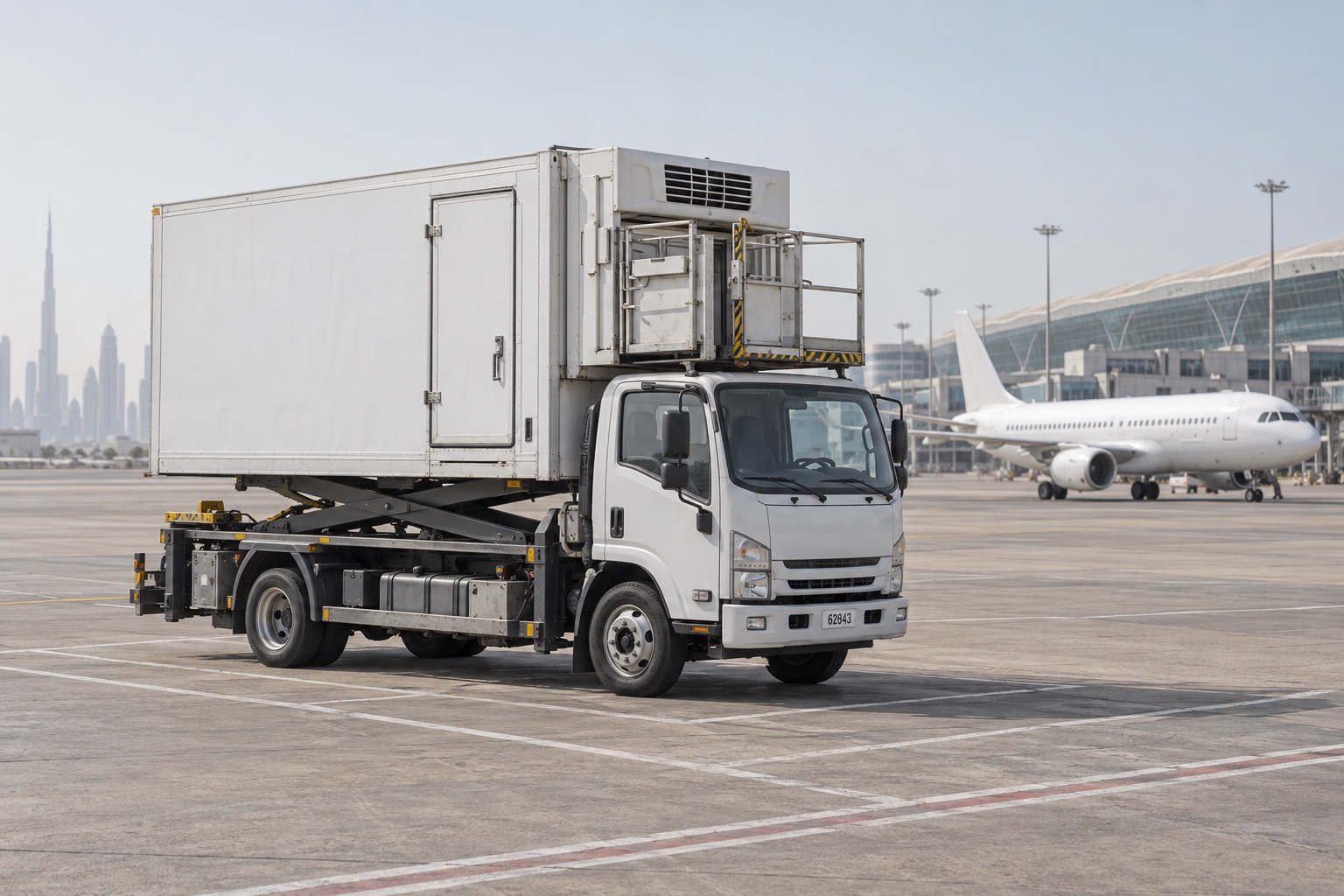
High-Lift Catering Operations in Dubai
Chassis and lift records helped supervisors review aircraft servicing, while Complex Events warnings and temperature history supported operating checks.
Dubai, UAE · Pilot: 20 high-lift catering trucks
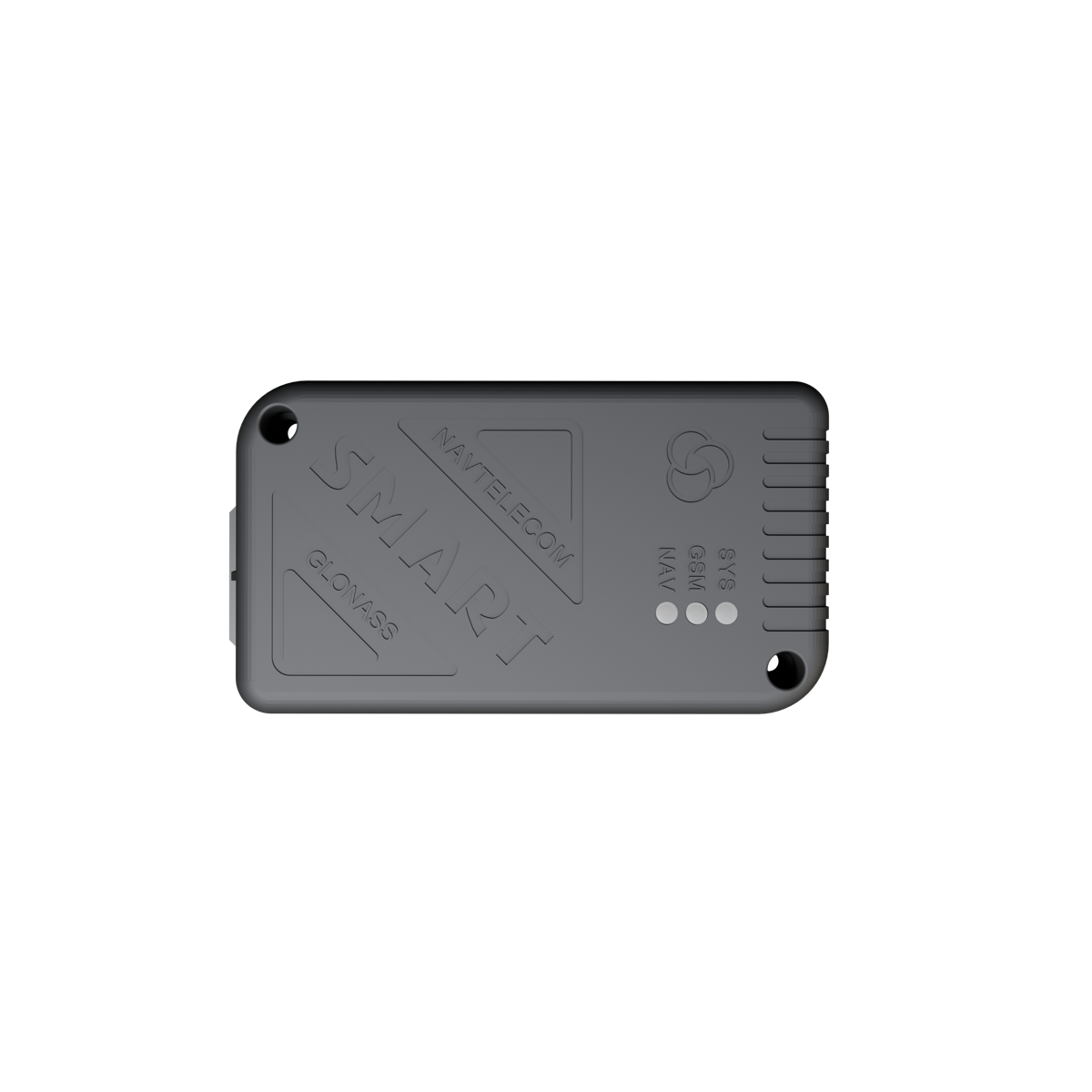
Solution device
SMART S-4537- Market
- UAEDubai
- Pilot fleet
- 20 high-lift catering trucksAircraft-stand servicing
- Application
- Airline catering
THE CHALLENGE
Distinguish waiting from lifting operations
An airline catering company transported meal carts between its catering facility and aircraft stands.
Vehicle location alone did not show when lifting operations began, whether the monitored securing condition was present or whether the platform had been lowered before departure. Supervisors also needed temperature records from the catering compartment to review conditions during each service run.
THE SOLUTION
Connect lift activity with driver warnings
The pilot equipped 20 high-lift catering trucks. SMART S-4537 collected supported vehicle and high-lift equipment data. One CAN connection supplied chassis information, including mileage, engine RPM, fuel-related readings and vehicle condition. The second supplied available platform-position, lifting and service-door information from the compatible body controller. A Bluetooth temperature sensor monitored the insulated compartment. Separate inputs recorded ignition and the installed wheel-chock or stabilisation signal.
Review activity at the aircraft stand
Supervisors could examine vehicle arrival, lifting activity, platform position and departure in the same journey record. This helped distinguish travel, waiting and equipment operation. When servicing was delayed, staff could identify the relevant period and discuss it with the crew. Chassis information added context if a vehicle fault or operating condition required investigation.
Warn about conflicting operating conditions
Complex Events evaluated the monitored signals together. Configured conditions could activate an in-cab buzzer—for example, lifting activity without the expected securing signal, or vehicle movement with the platform still raised. The warning prompted the driver to check the situation. It supplemented operating procedures and existing safety systems; it did not independently verify complete vehicle stability or automatically prevent movement.
Review catering-compartment temperature
Temperature readings could be examined alongside the journey and servicing activity, giving staff a record of conditions at the sensor location. These readings supported delivery reviews but did not independently establish the temperature or condition of every meal cart.
PILOT RESULTS
Clearer delay reviews and driver warnings
Supervisors could investigate servicing delays using recorded equipment activity rather than arrival and departure times alone. They could discuss a particular stage of the job with the crew and coordinate the next action.
The configured buzzer drew the driver’s attention to selected operating conflicts during the task. Temperature history also supported subsequent checks of catering transport conditions.
WHY SMART S-4537
Locate delays and prompt operating checks
S-4537 helped supervisors understand where an aircraft-service delay occurred: while the truck was travelling to the stand, waiting to begin work or operating its lift. This gave them a basis for contacting the relevant crew and coordinating the remaining work when timely catering delivery mattered.
The installation also brought warnings directly to the driver when a monitored conflict occurred, such as movement with the platform raised. Recognising the situation and stopping to check could help avoid equipment damage and further disruption to servicing.
For the company, the value was practical oversight of work at the aircraft: investigate a delay, coordinate with the crew and draw attention to an operating error before it caused additional downtime.
SMART S-4537
YOUR PROJECT
Tell us about the work you need to measure
Share the vehicles, routes, sensors and decisions you want this data to support.
More in this application
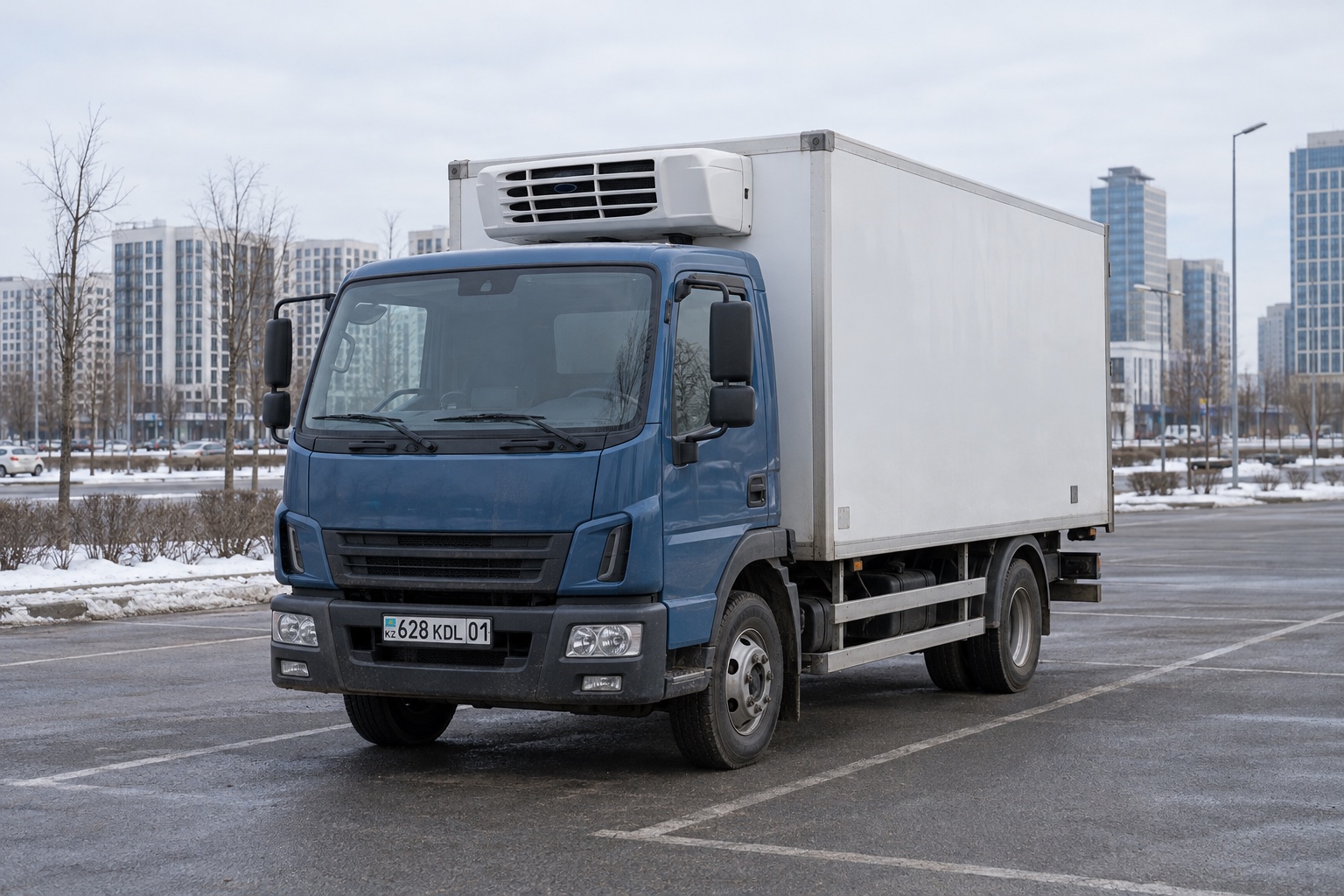
Kazakhstan · SMART S-2421
Frozen-Food Temperature Alerts in Astana
Two individual sensor readings trigger urgent SMS at −17°C, directing attention to developing temperature problems across 34 refrigerated vehicles.
Explore use case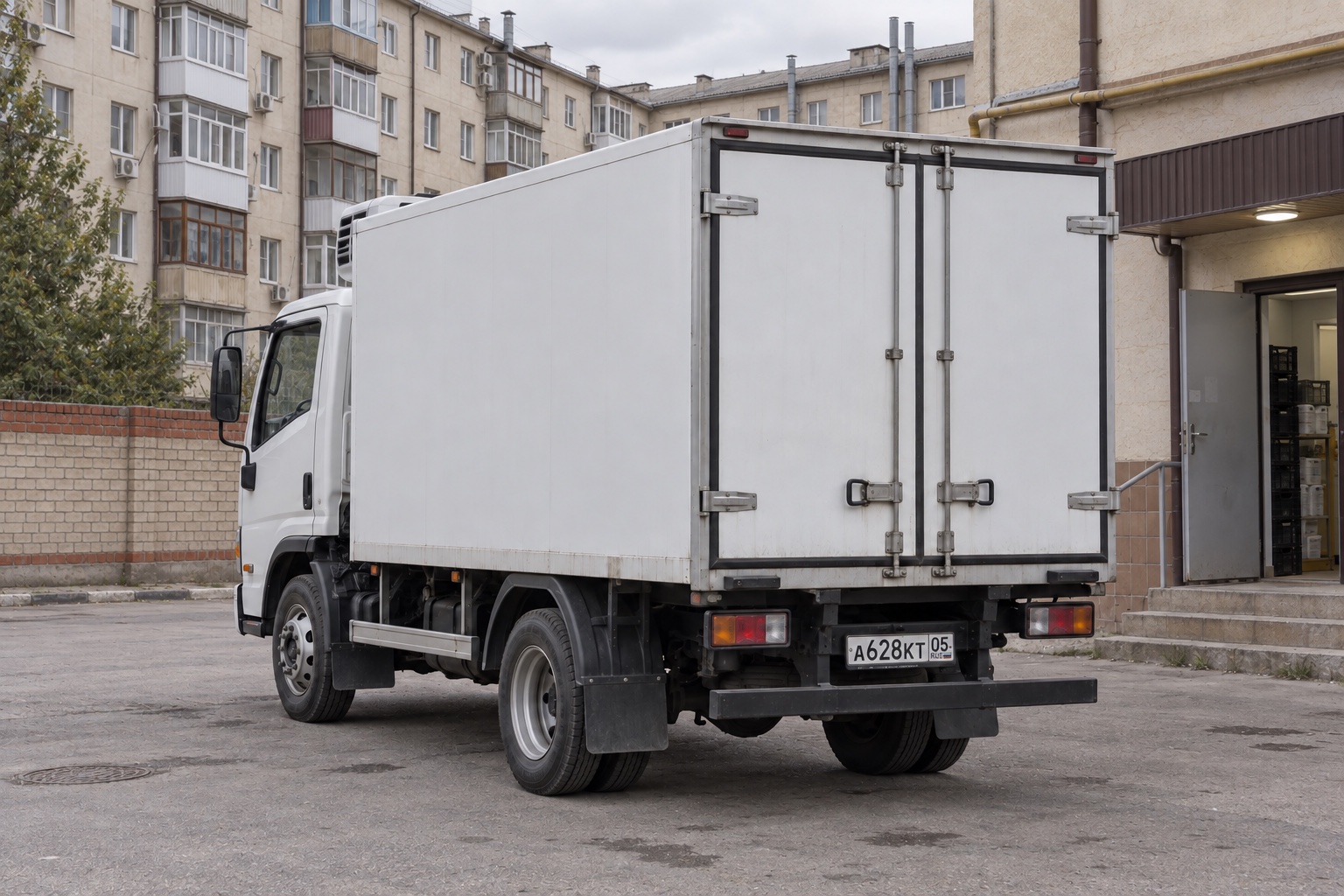
Russia · SMART S-2421
Dairy Temperature Alerts in Dagestan
Individual sensor readings trigger SMS warnings above 5°C and recovery messages across 12 refrigerated trucks, using standard device settings.
Explore use case
Turkey · SMART S-2433
Dairy Temperature Alerts in Istanbul
Complex Events averages four temperature readings onboard and sends SMS above 5°C, while door and location records support checks across eight trucks.
Explore use case