
BELARUS · FORESTRY AND TIMBER TRANSPORT
Timber-Truck Access and Operations in Minsk
A forestry company connected driver authorisation, equipment-position warnings and fuel records to control starts and investigate specific stops on timber routes.
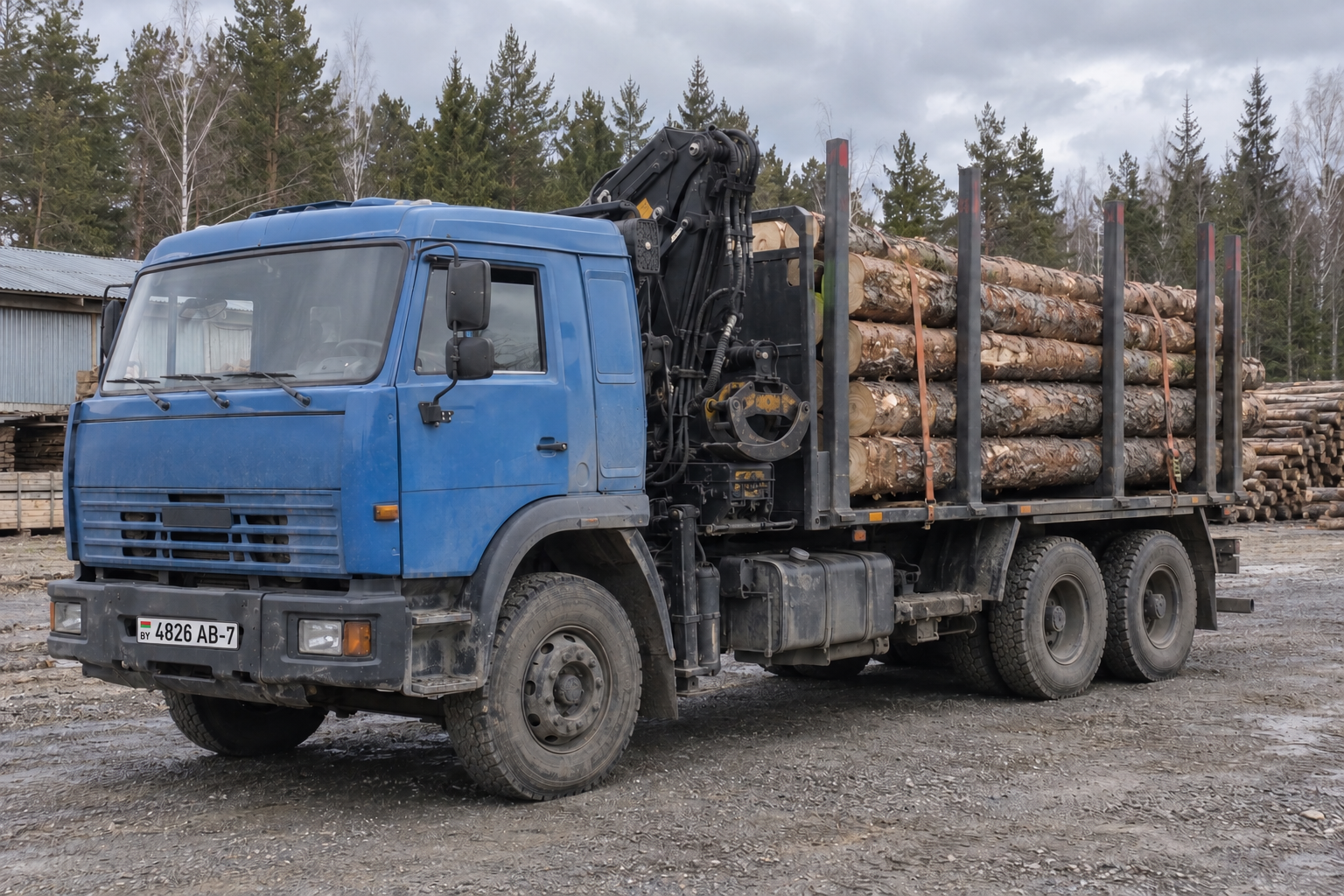
Minsk, Belarus · Pilot: 10 timber trucks
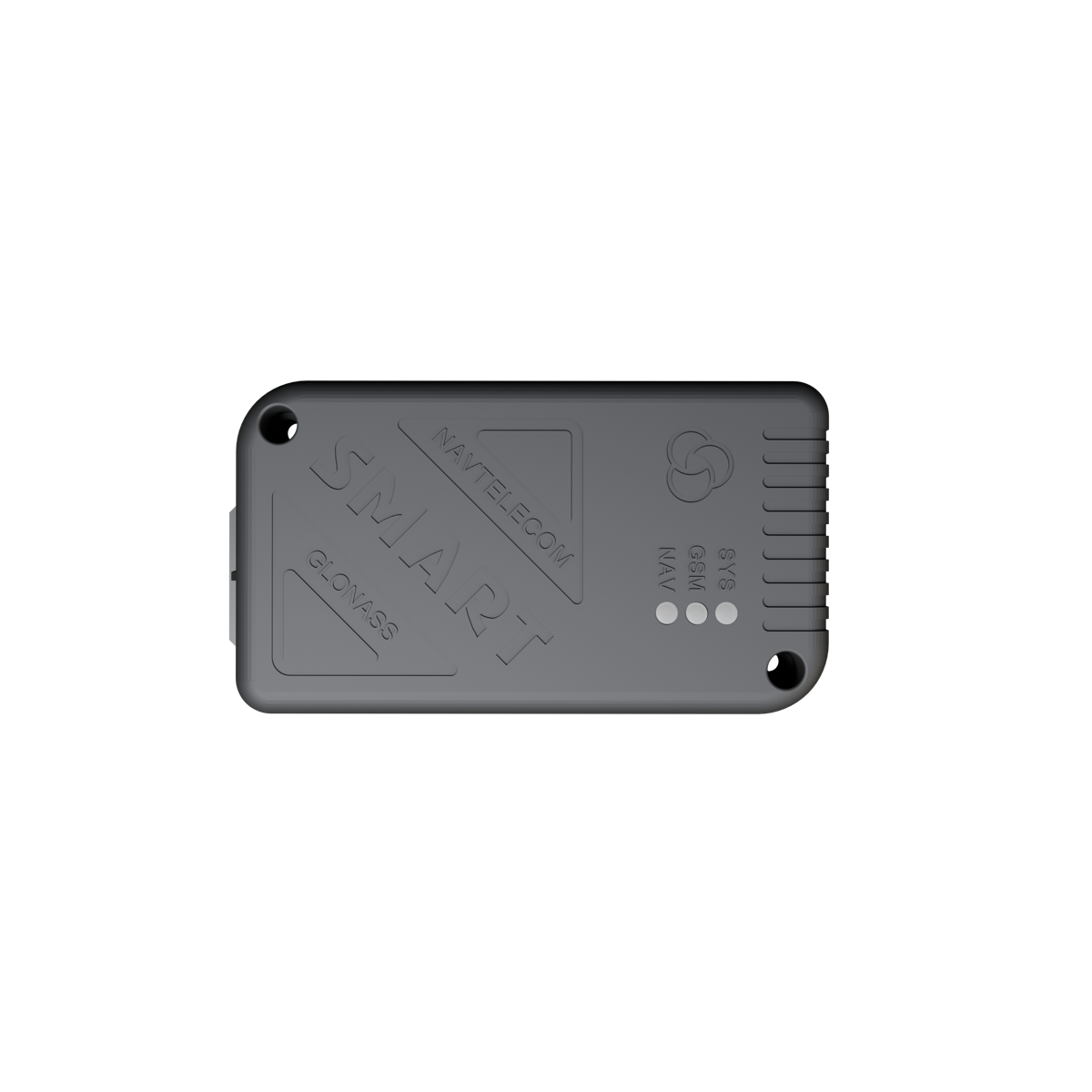
Solution device
SMART S-4511- Market
- BelarusMinsk
- Pilot fleet
- 10 timber trucks with hydraulic loading cranes
- Application
- Forestry and timber transport
THE CHALLENGE
Link driver access, equipment position and fuel discrepancies
A forestry company operated timber trucks between logging areas, temporary storage yards and processing plants. Supervisors needed to investigate unusual fuel losses and ensure that only authorised drivers could start the vehicles.
Drivers also needed a warning if a truck began moving with its loading crane unstowed or its stabilizers still deployed.
THE SOLUTION
Separate movement warnings and start control
The pilot equipped 10 timber trucks in Minsk, Belarus. SMART S-4511 trackers collected location and Bluetooth fuel-level readings. Four wired inputs recorded ignition, crane operation, crane-stowed position and stabilizer status. A 1-Wire RFID reader identified the registered driver.
Warn the driver before the situation continues
Complex Events combined these signals to control two separate responses: an equipment warning and permission to start the engine. If movement was detected while the crane was not stowed or the stabilizers remained deployed, the tracker recorded an event and activated an in-cab buzzer. The driver could stop and check the equipment, while supervisors could review the event afterwards. This supplemented departure checks; it was not an automatic movement interlock. Crane-operation records also helped distinguish loading activity from other stops on the route.
Restrict starting to authorised drivers
The second output controlled a start-blocking relay. A recognised driver card was required before starting was permitted, linking the shift to the registered driver. This restricted unauthorised starts without using the relay to stop an engine already running.
Investigate fuel changes at a specific stop
A significant fuel-level drop while the truck was parked with the ignition off was highlighted for investigation. Staff could review the location, time and driver record, then request an explanation or arrange an inspection. A level drop was treated as a discrepancy to check, rather than automatic proof of theft. On routes with mixed coverage, the tracker could use a supported 2G network when LTE was unavailable. Live updates still depended on cellular coverage.
PILOT RESULTS
Authorised starts and targeted follow-up
Starting permission was linked to a recognised driver card, and drivers received a warning when movement coincided with deployed equipment.
Supervisors could investigate an unusual fuel drop against the stop and registered driver. This gave them a particular event to discuss instead of a general concern about missing fuel.
WHY SMART S-4511
Warn drivers and control starting
S-4511 let the company apply driver authorisation before starting and warn the driver when movement conflicted with the crane or stabilizer position. These actions did not require a supervisor to watch every departure.
It also gave the office a specific stop and registered driver to follow up when fuel fell unexpectedly. Telematics therefore supported action at the truck and accountability afterwards, rather than merely reporting where the truck travelled.
SMART S-4511
YOUR PROJECT
Tell us about the work you need to measure
Share the vehicles, routes, sensors and decisions you want this data to support.
More in this application
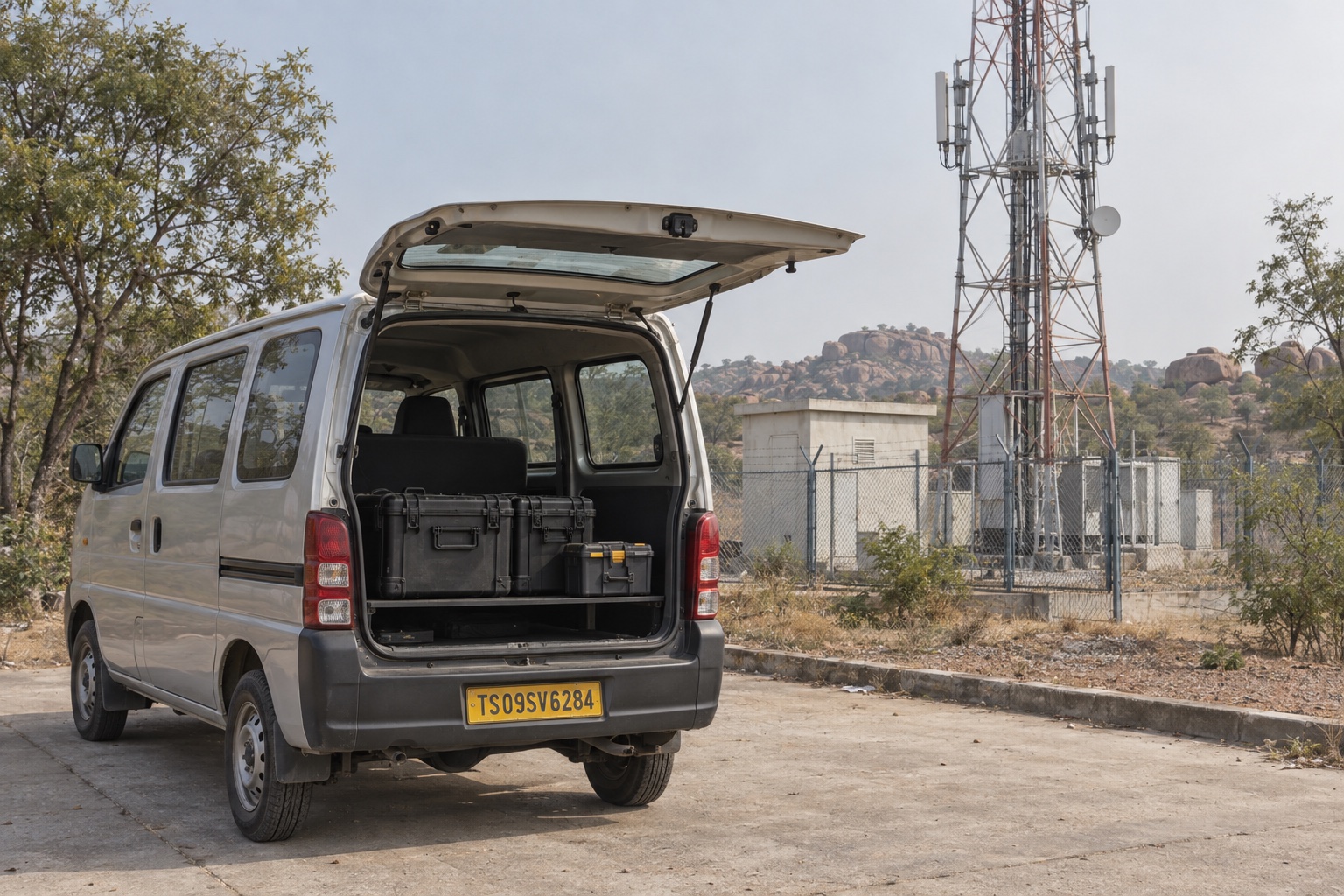
India · SMART S-2433
Tool-Check Warnings in Hyderabad
Six service vans. BLE equipment tags and adapted Complex Events logic prompt in-cab checks, while technician and service-visit records provide a starting point for recovery.
Explore use case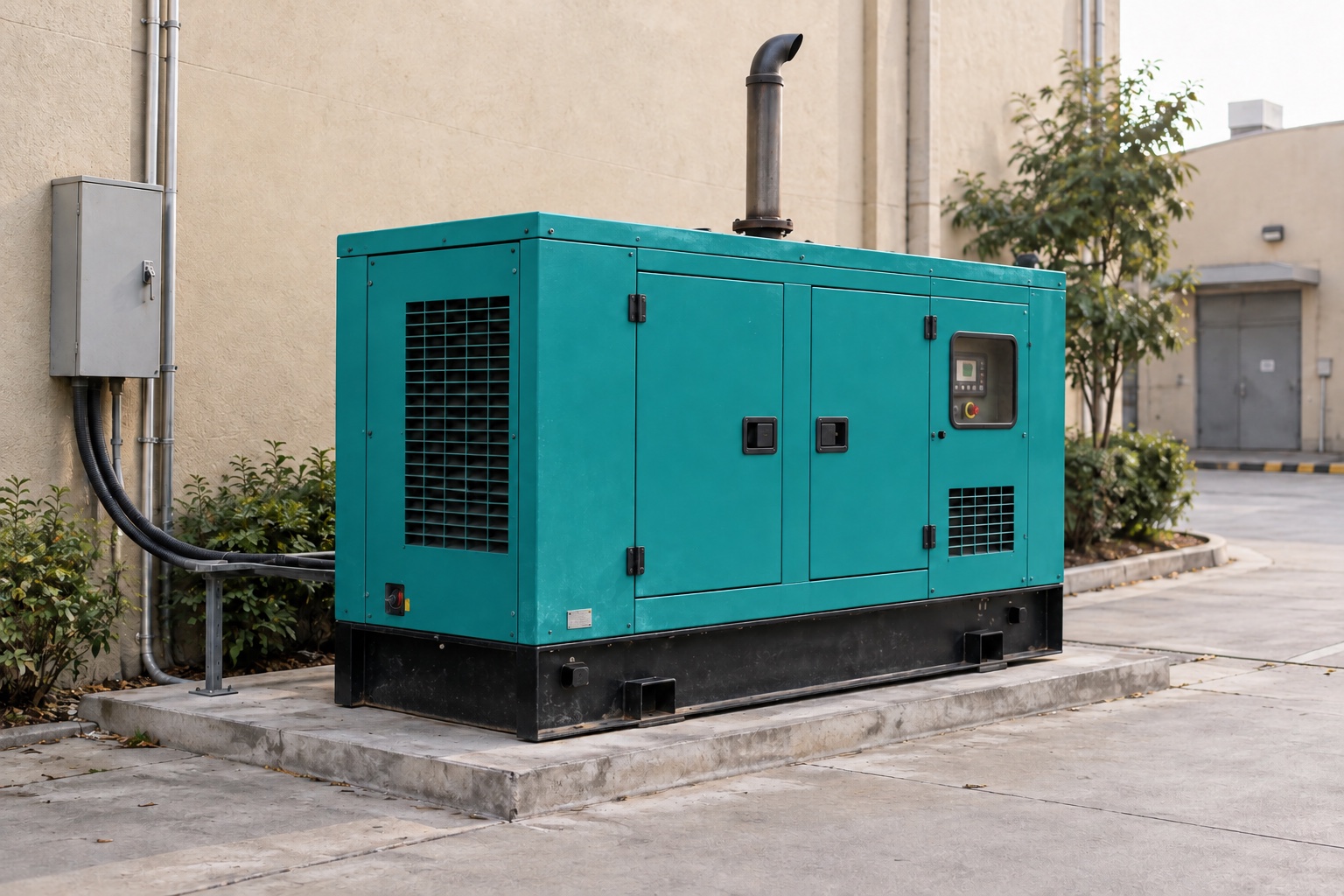
India · START S-2011
Paid Generator Rental Periods in Gurugram
Online rental extensions trigger remote restriction or release, while voltage-based operating-hour records support usage reviews across 28 generators.
Explore use case
India · SMART S-4533
Verifying Hot-Bitumen Deliveries in Ahmedabad
11 insulated bitumen tankers. Measured discharge and temperature records support delivery checks, while pump and valve signals help investigate unloading and warn about an open valve during movement.
Explore use case