
INDIA · CORPORATE EMPLOYEE TRANSPORT
More predictable employee bus journeys in Bangalore
Live bus tracking, RFID identification and Eco-driving helped a company reduce pickup delays and improve the quality of its employee transport service.
Bangalore, India · Employee transport service
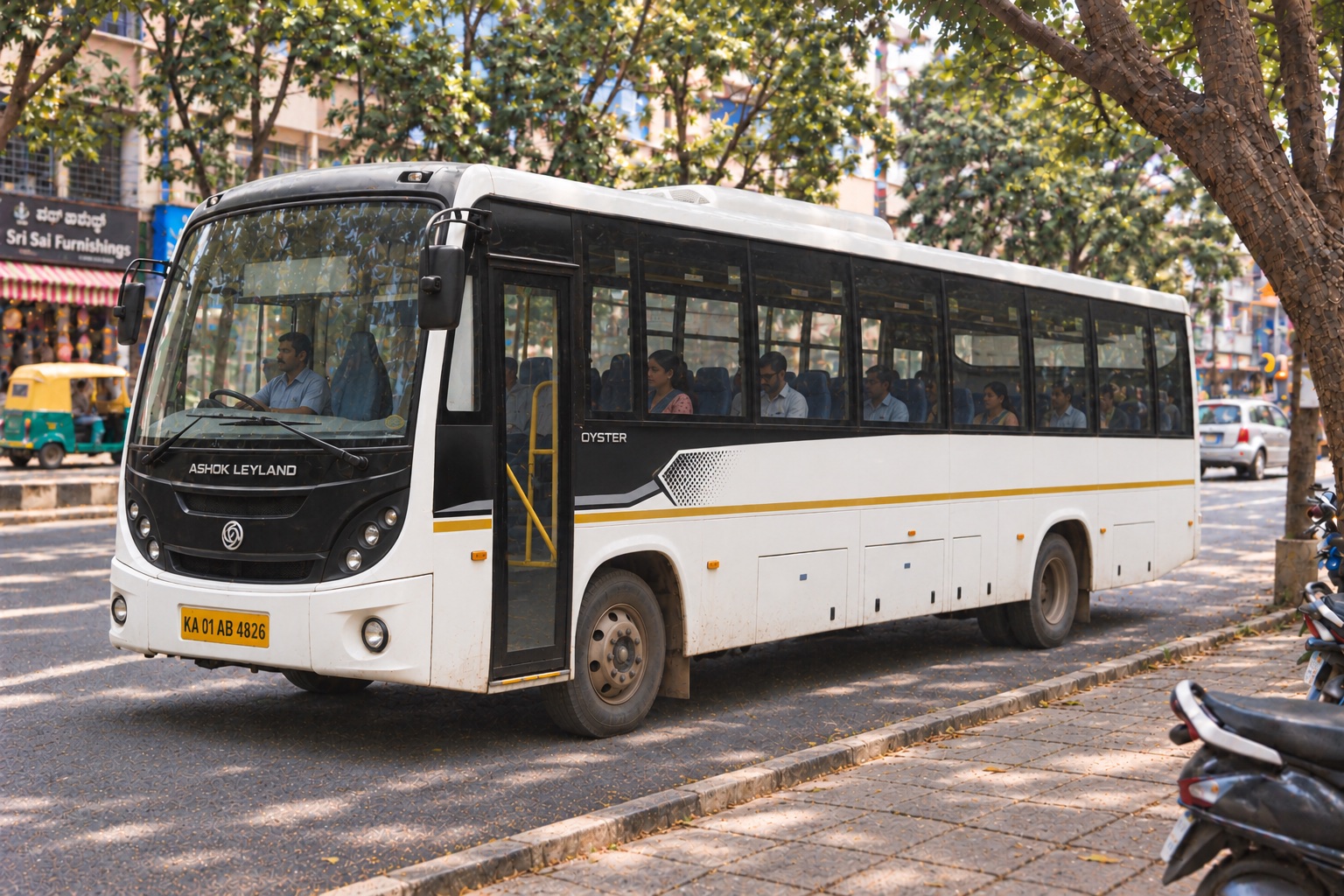
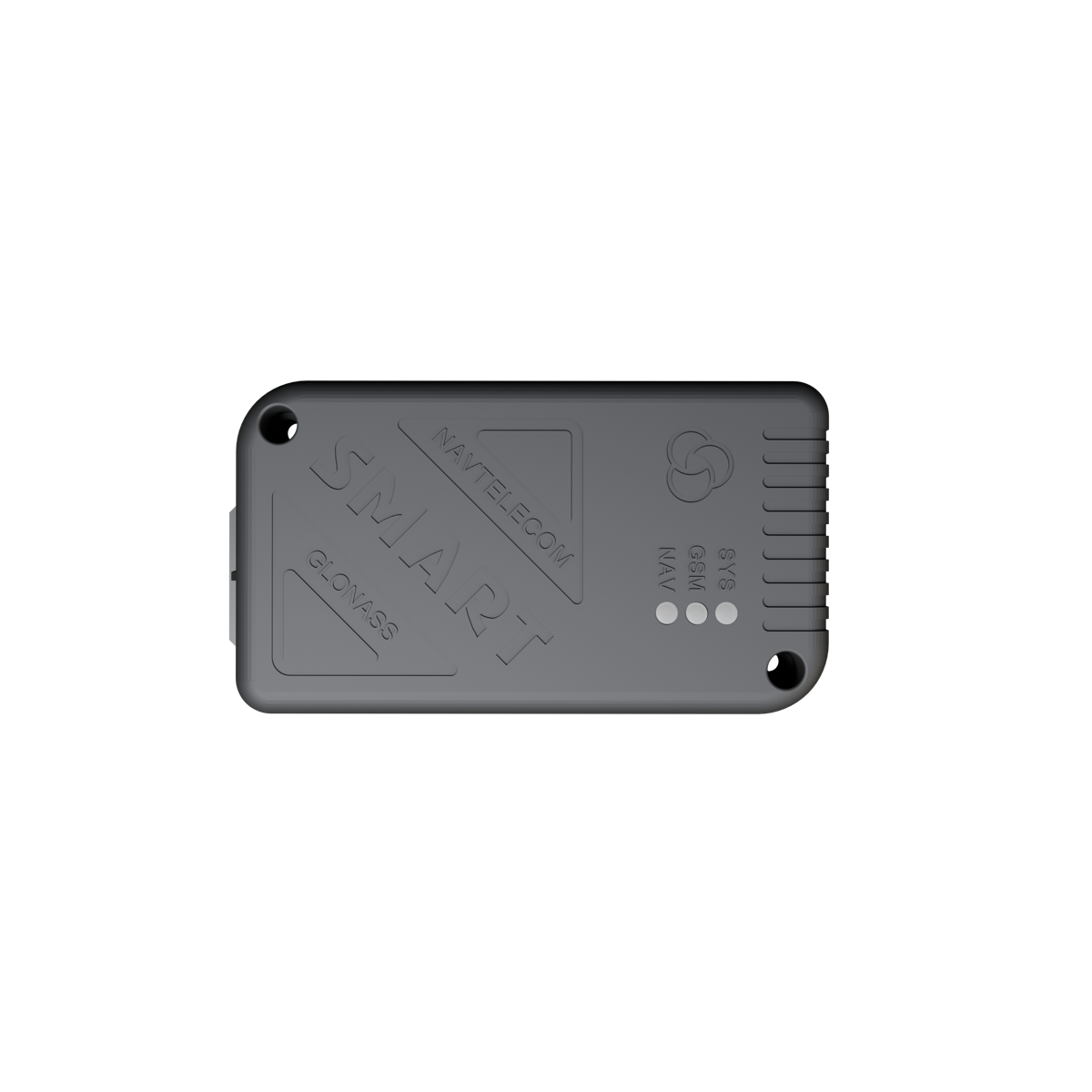
Solution device
SMART S-2433- Market
- IndiaBangalore
- Vehicles
- 10 employee busesRFID boarding and driver identification
- Application
- Corporate employee transport
THE CHALLENGE
Make the morning commute easier to plan
Employees struggled to plan their morning commute. Without knowing where their bus was, some left home early and spent extra time waiting at the stop. Others arrived late, leaving the driver and passengers waiting. Delays accumulated along the route, and employees sometimes reached work later than expected.
Passengers also complained about harsh driving. The company needed to improve punctuality and driving quality, but telephone updates and general complaints did not provide enough detail to identify recurring causes.
The transport team needed to know when the bus arrived, when employees boarded and who was driving. Employees needed a straightforward way to see their bus approaching.
THE SOLUTION
Prepare passengers and record each journey
The company’s 10 buses were equipped with Navtelecom SMART S-2433 trackers and RFID readers, connected to a transport monitoring platform. The solution combined vehicle movements, boarding records and driver identification. Eco-driving supported the review of driving behaviour, while the platform’s mobile application gave employees access to live bus locations.
Help employees prepare for pickup
Employees could open the mobile app and see their bus’s current location on a map. This helped them plan when to leave for the stop and understand whether their bus was approaching or delayed. S-2433 supplied the location data, and the connected platform displayed it in the app. Employees no longer had to rely solely on the timetable or leave home early simply because they did not know where the bus was.
Understand why a stop runs late
Employees tapped their RFID cards when boarding. The transport team could compare these records with the bus’s arrival time and route schedule. This helped distinguish a late bus from a passenger boarding late after it had arrived. Staff could investigate recurring delays, follow up with the people involved and apply the company’s waiting rules more consistently.
Identify the driver responsible for each journey
Drivers presented their own identification cards before starting the bus. Driver authorisation enabled starting and linked the journey to the responsible person. When a passenger raised a concern, supervisors could identify the driver on that route and review the relevant journey. This made follow-up more specific and strengthened accountability for service quality.
Address harsh driving with specific feedback
Eco-driving was configured to record events such as harsh acceleration and braking. Supervisors reviewed these events in the context of the journey and used them to coach drivers on smoother acceleration and better anticipation of stops. Instead of responding to a complaint with a general instruction to drive more carefully, the company could discuss particular incidents and recurring habits. Necessary emergency manoeuvres were considered in context.
CUSTOMER-REPORTED OUTCOMES
More predictable pickups and smoother journeys
The customer reported more predictable pickups and smoother journeys across its 10 buses.
Employees could check the approaching bus before leaving home. The transport team could investigate delays using boarding and arrival records, then follow up with the relevant passenger or driver. The customer also reported fewer road traffic incidents.
WHY SMART S-2433
Make the daily pickup easier to plan
S-2433 made the bus journey usable information for both passengers and the transport team. Employees could check the approaching bus in the app, while staff could distinguish a late bus from a passenger boarding delay.
Linking driving events to the registered driver also made complaints actionable: the company could discuss a particular journey with the person responsible instead of issuing general reminders to the whole team.
SMART S-2433
YOUR PROJECT
Tell us about the work you need to measure
Share the vehicles, routes, sensors and decisions you want this data to support.
More in this application
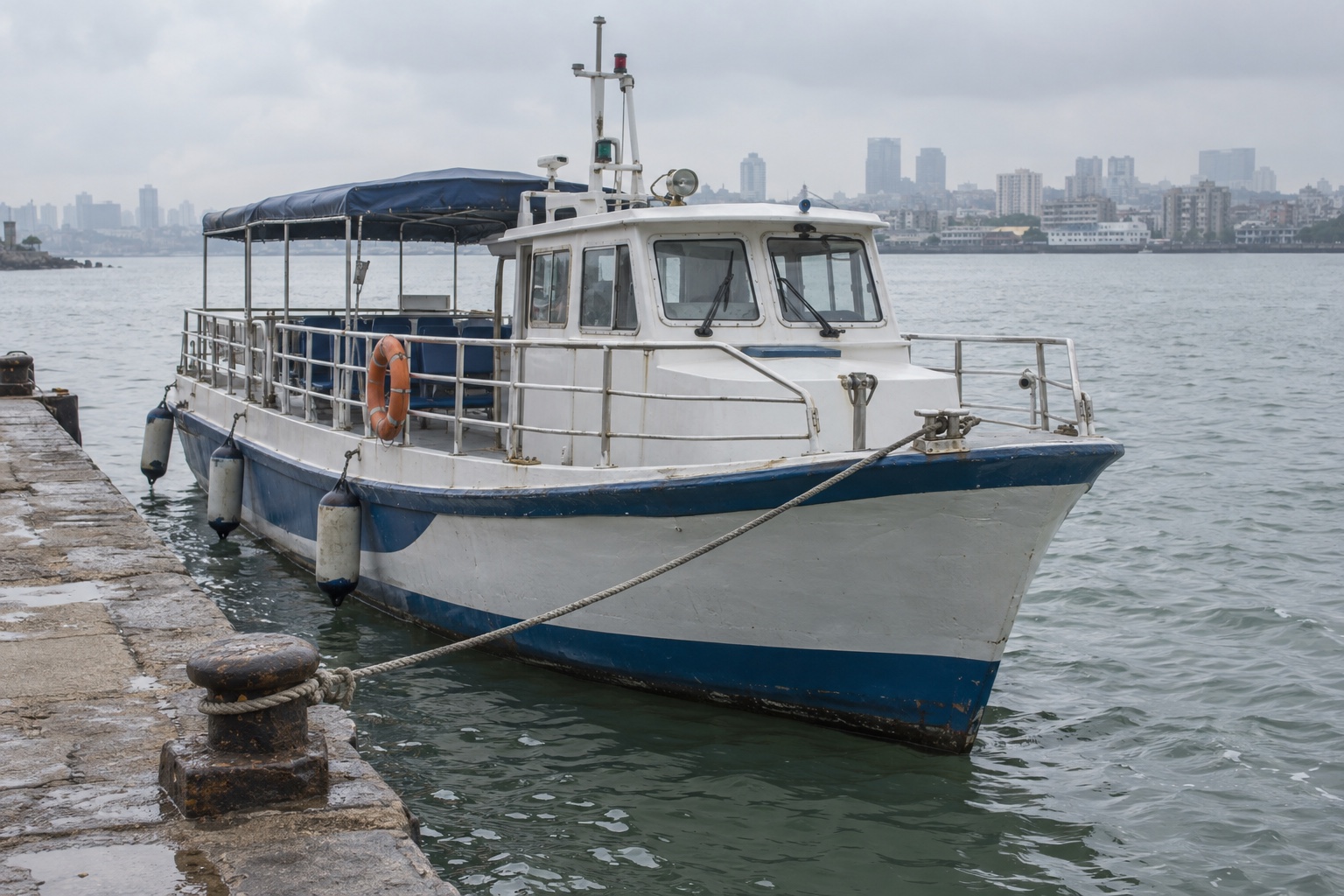
India · SIGNAL S-4753
Sightseeing Boat Oversight in Mumbai
Journey and engine RPM records support excursion reviews, while a crew button sends assistance requests with the boat’s reported location.
Explore use case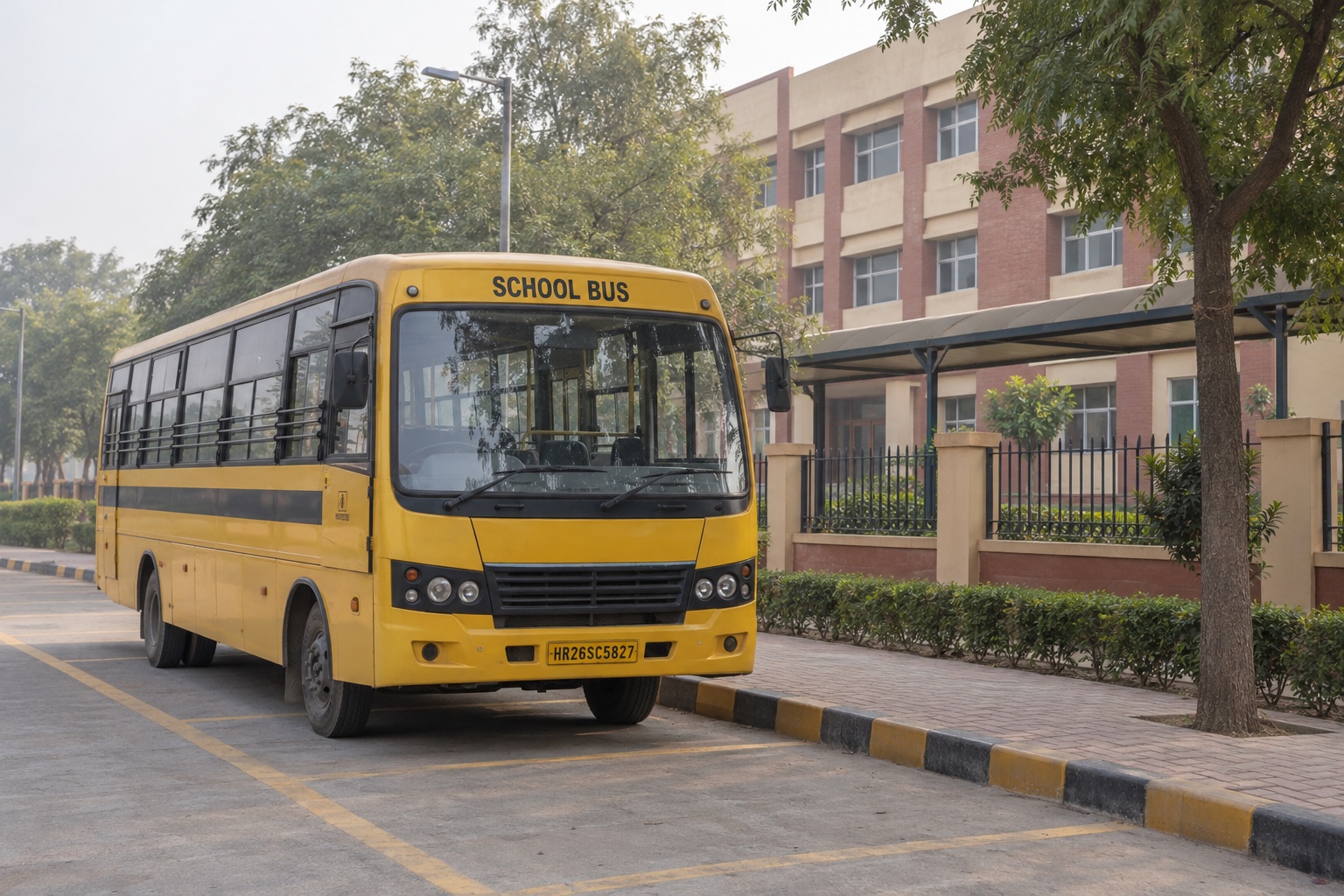
India · SMART S-4511
School Bus Updates in Gurugram
RFID card events and bus tracking give parents boarding and exit records, journey updates and arrival estimates across 20 school buses.
Explore use case
India · SMART S-2435
Electric Bus Readiness Between Delhi and Jaipur
Battery and charging records help prepare 17 electric buses across four stations, while journey and driver-card records support trip and shift reviews.
Explore use case