
INDIA · TOURIST TRANSPORTATION
Electric Bus Readiness Between Delhi and Jaipur
Battery and charging records helped prepare 17 electric buses for departures, while location, mileage and driver cards linked journeys to registered shifts.
Delhi and Jaipur, India · 17 buses · Four charging stations
Solution device
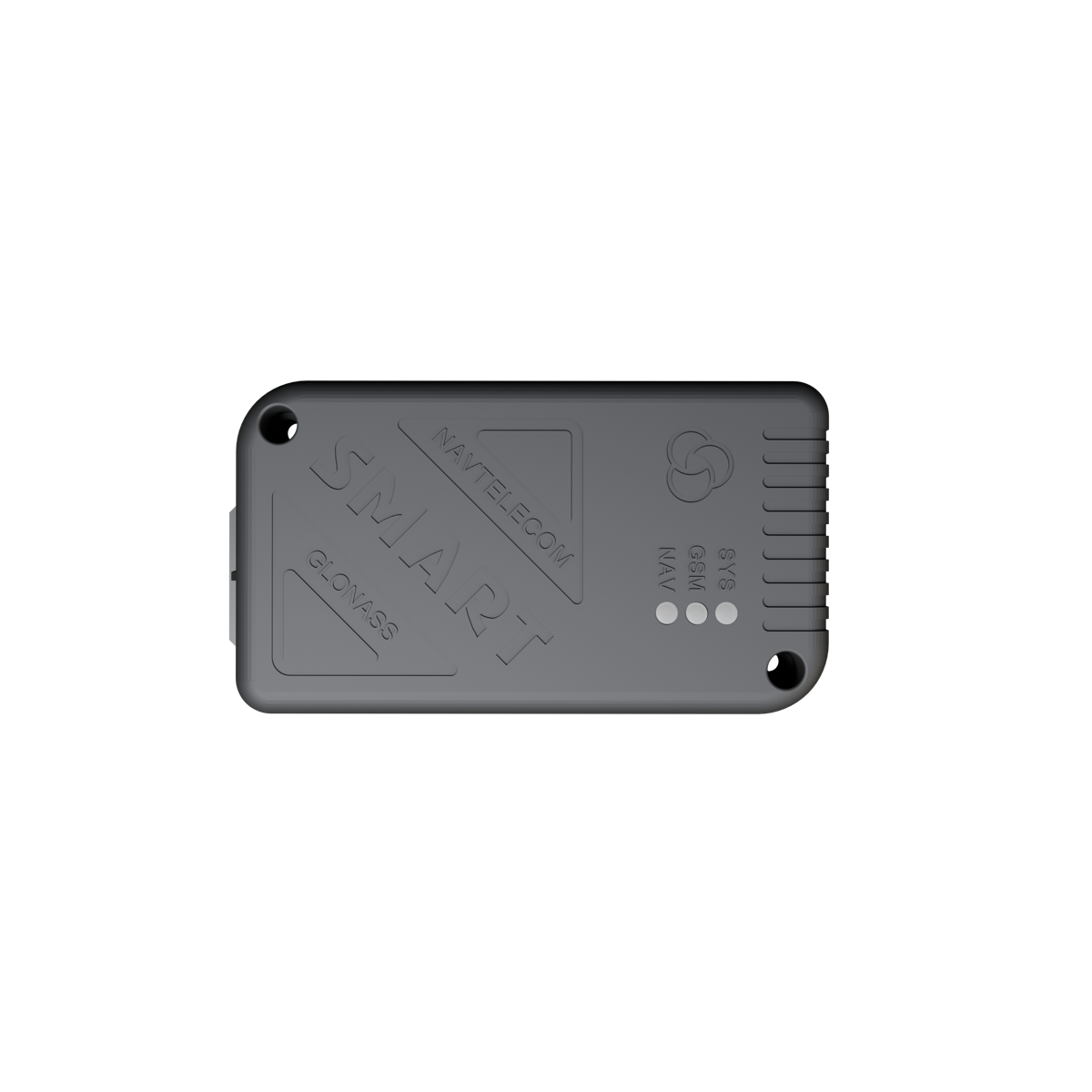
SMART S-2435- Market
- IndiaDelhi and Jaipur
- Vehicles
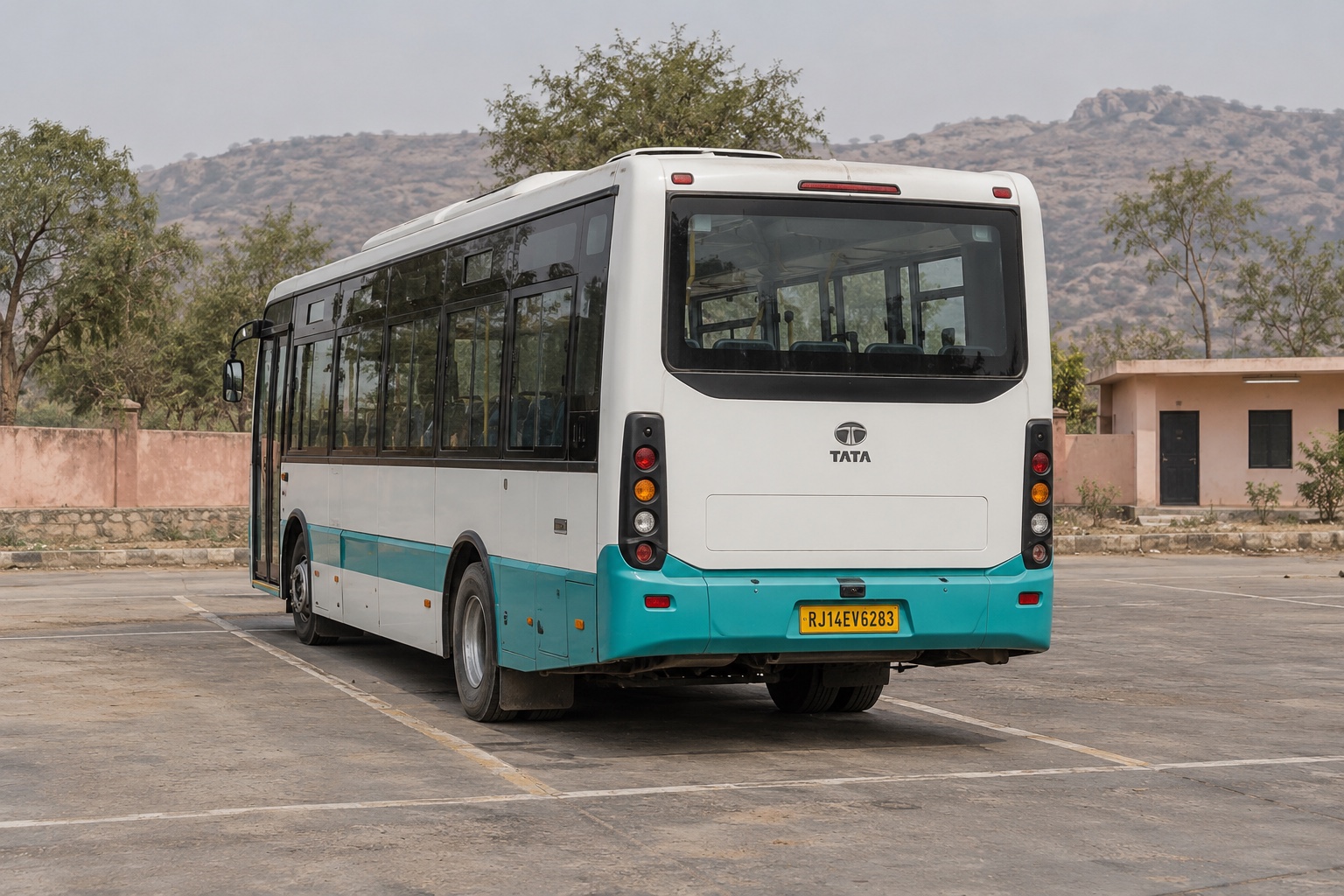
- 17 TATA Ultra Urban 9 electric busesFour charging stations: two in each city
- Application
- Tourist transportation
THE CHALLENGE
Check charge readiness and registered drivers
A tourist transport company operated 17 electric buses between Delhi and Jaipur. Each bus needed to be fully charged before its scheduled departure, using the company’s four charging stations across the two cities.
The operator needed to know which buses required charging, which were actually charging and which were ready for assignment. The company also wanted to follow journeys and identify the driver responsible for each shift.
THE SOLUTION
Connect charging, journeys and driver records
SMART S-2435 trackers supplied battery charge level, charging status, mileage and location to the monitoring platform. A driver-card reader connected through 1-Wire supported driver identification and shift records.
Check readiness before assigning a bus
The operator could compare battery levels and charging status at both locations. This distinguished a bus receiving charge from one simply parked and waiting. Staff could identify vehicles still needing preparation and check that a selected bus was fully charged before assigning it to a departure.
Receive charging-completion notifications
The monitoring platform notified the operator when a bus reached 100% charge. Staff could then coordinate its next assignment and arrange for another bus to use the charging station. This replaced repeated checks of charging progress with a notification tied to a clear operational action.
Follow journeys and review mileage
Live location updates helped staff follow buses during tourist transfers. Trip history supported checks of departure and arrival times, while mileage records showed the distance travelled. These records helped the operator coordinate vehicles for subsequent journeys.
Identify drivers and record shifts
Drivers inserted their personal cards at the start of a shift and kept them in the reader while operating the bus. Card insertion and removal marked the beginning and end of the registered shift. In this installation, card presence was also required for propulsion: removing the card disabled traction, including during movement. This was not an automatic braking function. Card records linked vehicle activity to the registered driver; they did not independently verify who was physically driving throughout the shift.
THE RESULT
Readiness checks linked to trips and shifts
The operator could review the readiness of all 17 buses across both cities before assigning departures. Charging status showed whether preparation had started, and completion notifications identified buses ready for their next journey.
Location, mileage and driver records supported follow-up on individual trips and registered shifts. Staff had less need to reconstruct vehicle readiness and activity from separate driver updates.
WHY SMART S-2435
Coordinate charging and departures in two cities
S-2435 helped the company answer the question that mattered before each departure: is this bus charged and ready for the next assignment? Staff could distinguish a parked vehicle from one charging and act when charging was complete.
With 17 buses sharing four stations in two cities, this gave the operator a practical basis for coordinating charging and departures. Driver identification added accountability by linking each registered shift to the vehicle’s journey record.
SMART S-2435
YOUR PROJECT
Tell us about the work you need to measure
Share the vehicles, routes, sensors and decisions you want this data to support.
More in this application
India · SIGNAL S-4753
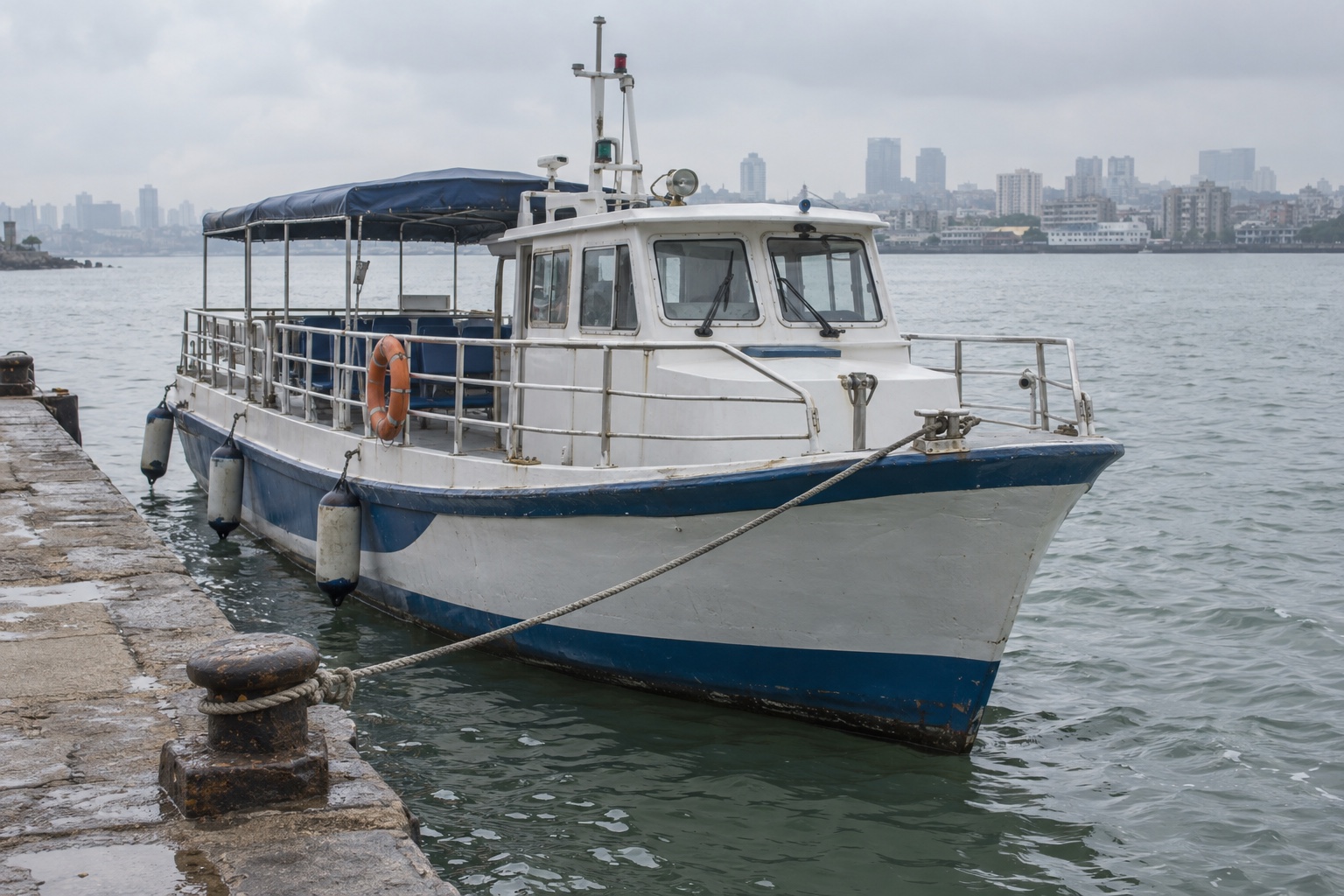
Sightseeing Boat Oversight in Mumbai
Journey and engine RPM records support excursion reviews, while a crew button sends assistance requests with the boat’s reported location.
Explore use case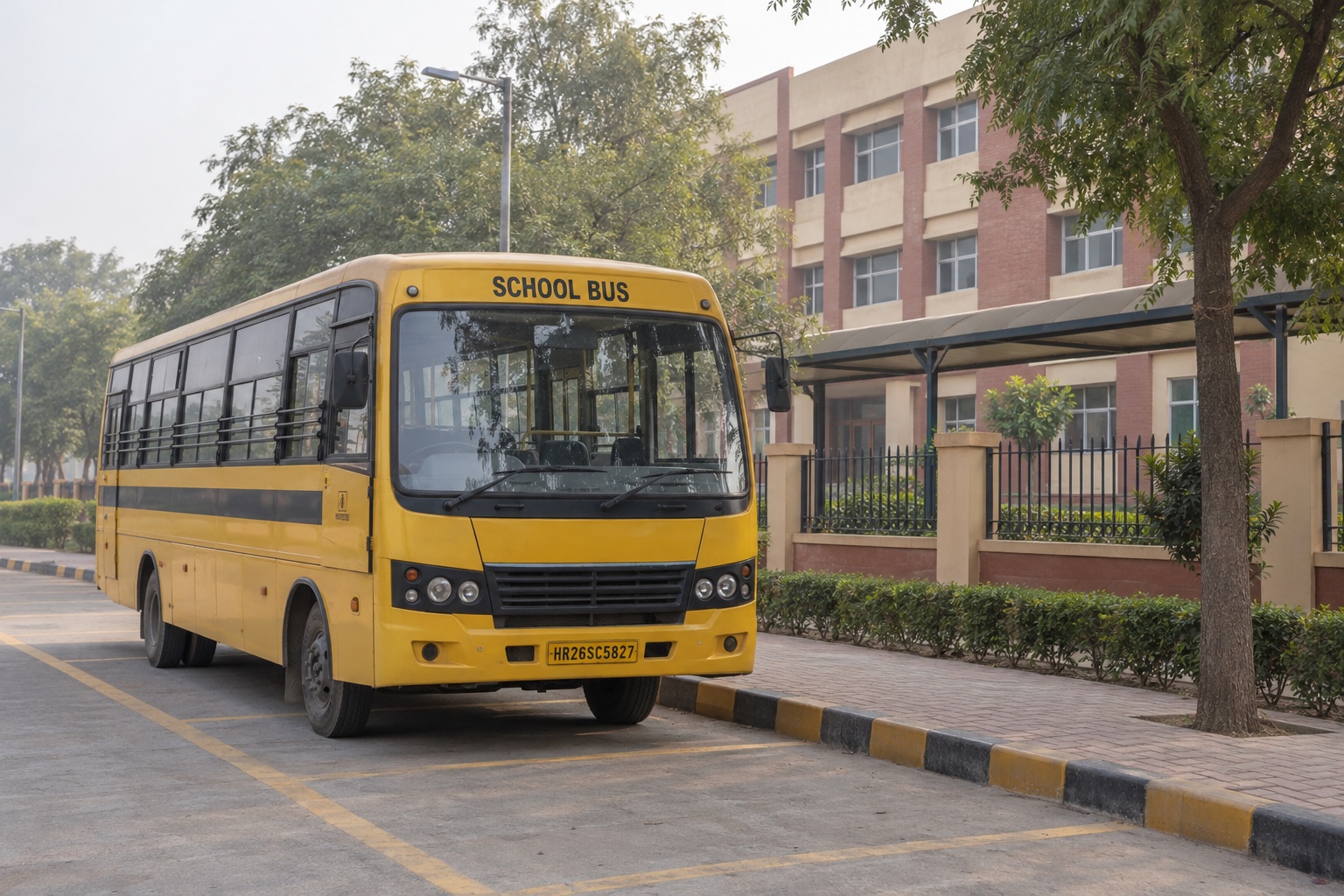
India · SMART S-4511
School Bus Updates in Gurugram
RFID card events and bus tracking give parents boarding and exit records, journey updates and arrival estimates across 20 school buses.
Explore use case
India · SMART S-2435
Charging Coordination for 14 Buses in Mumbai
Battery readings and platform completion notifications help prioritise 14 OLECTRA iX buses sharing two chargers around upcoming departures.
Explore use case