
INDIA · EMPLOYEE TRANSPORTATION
Charging Coordination for 14 Buses in Mumbai
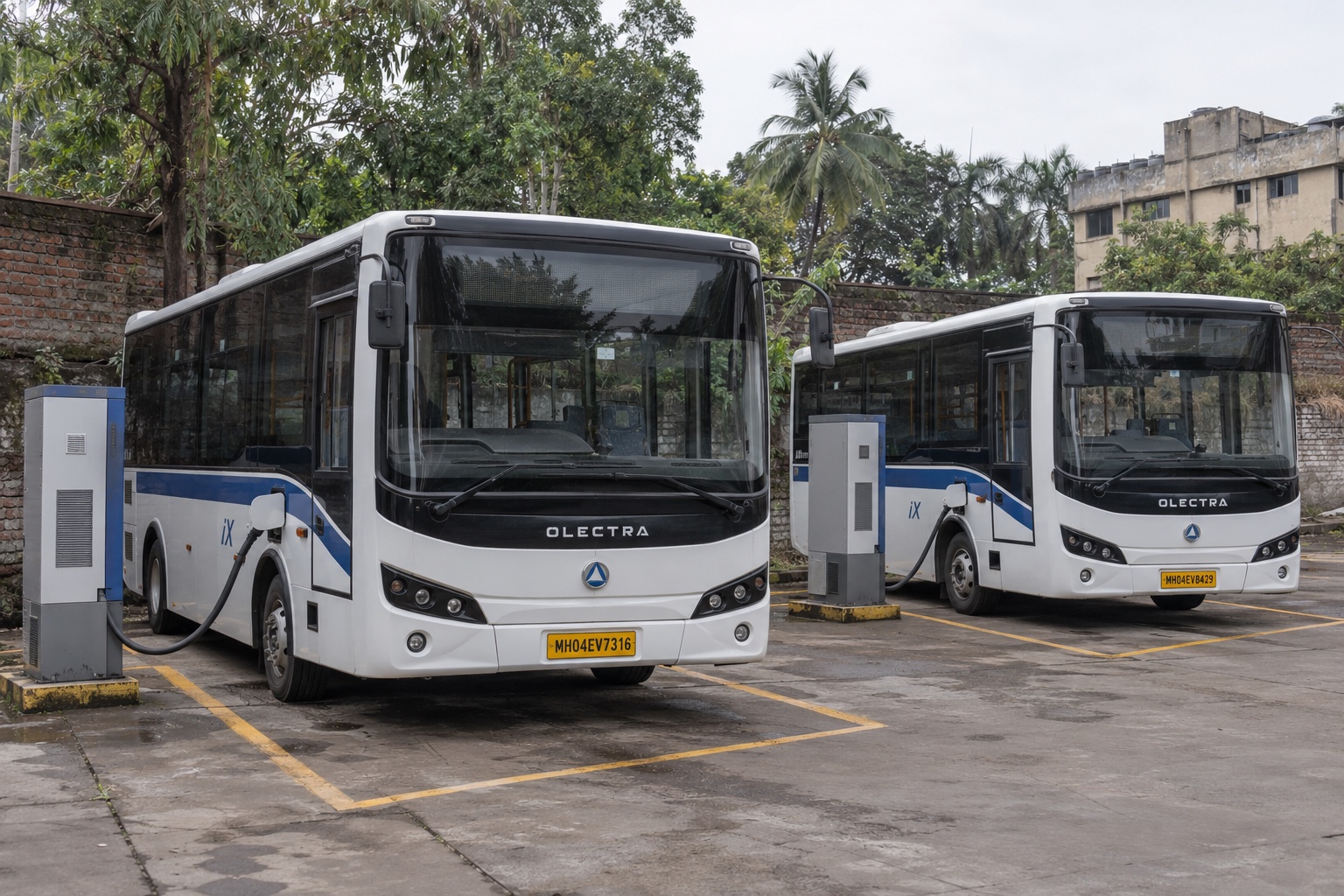
Battery readings and completion notifications helped an employee transport operator coordinate 14 electric buses sharing two charging stations.
Mumbai, India · 14 OLECTRA iX buses · Two charging stations
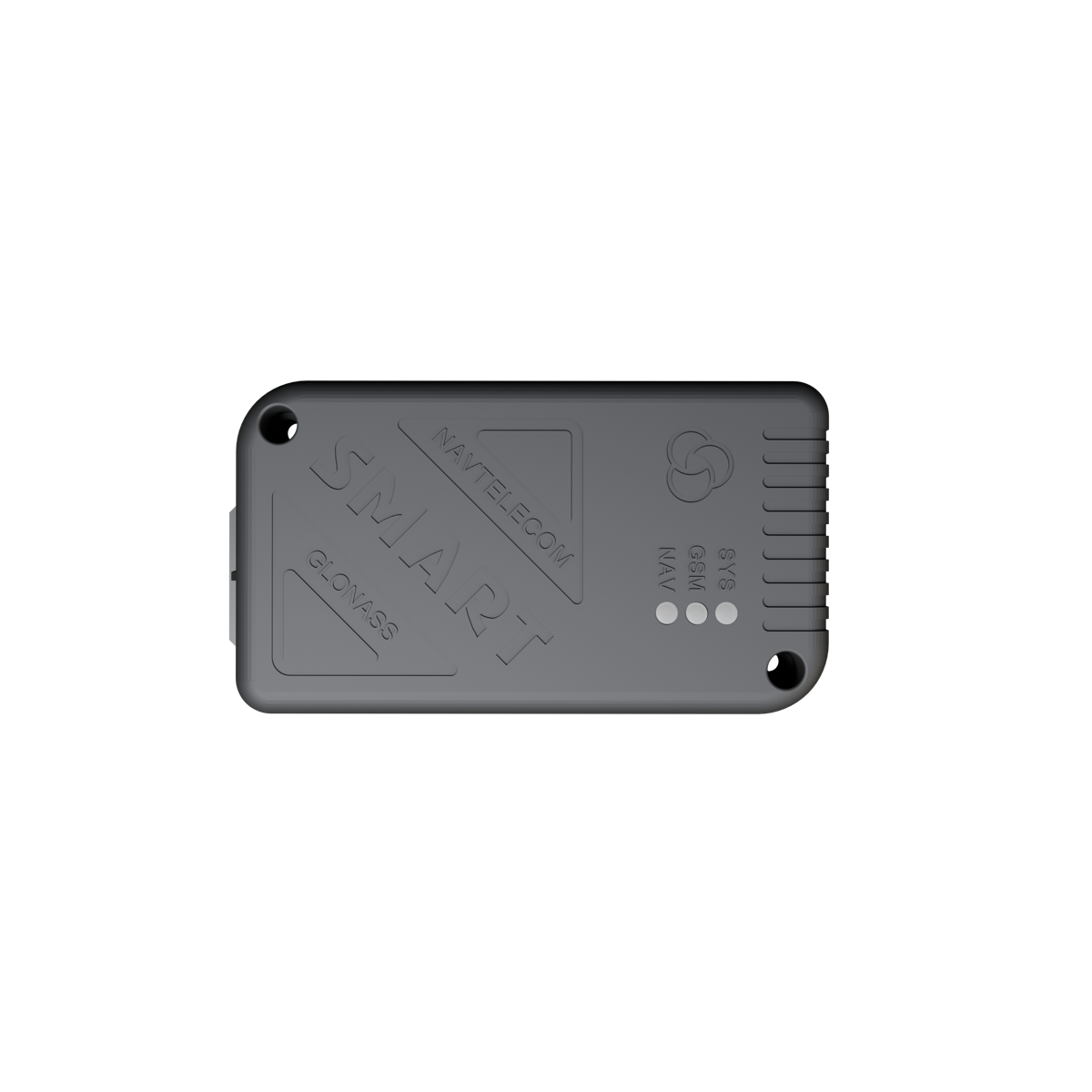
Solution device
SMART S-2435- Market
- IndiaMumbai
- Vehicles
- 14 OLECTRA iX electric busesTwo charging stations
- Application
- Employee transportation
THE CHALLENGE
Prioritise charging before scheduled departures
An employee transport operator in Mumbai had 14 electric buses sharing two charging stations. The dispatcher needed to decide which bus to charge first and when to connect the next vehicle.
Battery checks depended on drivers. The dispatcher had to call them for charge levels and charging progress, and updates were not always timely. When several buses were waiting, it was difficult to prioritise charging around upcoming departures.
THE SOLUTION
Use battery readings to coordinate charging
SMART S-2435 trackers collected battery state of charge, state of health, charging status, mileage and available fault information. These readings were displayed in the connected monitoring system.
Prioritise buses waiting for a charger
The dispatcher could compare battery percentages across the fleet and see which buses were already charging. Reviewing this information alongside the departure schedule helped determine which bus needed the next available station. Charging decisions no longer depended solely on drivers checking and reporting their battery levels.
Connect the next bus after charging
When a bus reached 100% charge, the monitoring platform notified the operator. The operator could then instruct a driver to move the charged bus and connect the next vehicle. This replaced repeated calls and physical checks with a notification that prompted a specific action.
Check vehicle condition before assignment
Mileage records supported maintenance scheduling based on actual use. Reported faults helped staff identify buses needing a technical check before assignment. Battery state-of-health readings provided additional context for maintenance assessment, rather than a standalone prediction of battery failure.
THE RESULT
A clearer charging queue and changeover process
The dispatcher gained a consistent process for managing the charging queue: check battery levels, consider upcoming departures, prioritise waiting buses and arrange a changeover when charging was complete.
Staff no longer needed to repeatedly call drivers or inspect buses to establish charging progress. Completion notifications helped them coordinate the removal of charged vehicles and connection of the next bus.
WHY SMART S-2435
Prepare buses around limited charging capacity
With 14 buses and only two charging stations, the order of charging mattered. S-2435 gave the dispatcher current battery information for each bus, making it possible to prioritise a vehicle that needed more charge before an approaching departure.
When a bus reached 100%, its reported charge level enabled the monitoring platform to notify the dispatcher. The dispatcher could immediately arrange for the station to be released and the next bus connected, without repeated phone calls or parking-area checks.
For the operator, this created a practical way to avoid unnecessary gaps between charging sessions and prepare buses around the transport schedule. The dispatcher could manage the limited charging capacity according to which vehicles needed to be ready next.
SMART S-2435
YOUR PROJECT
Tell us about the work you need to measure
Share the vehicles, routes, sensors and decisions you want this data to support.
More in this application
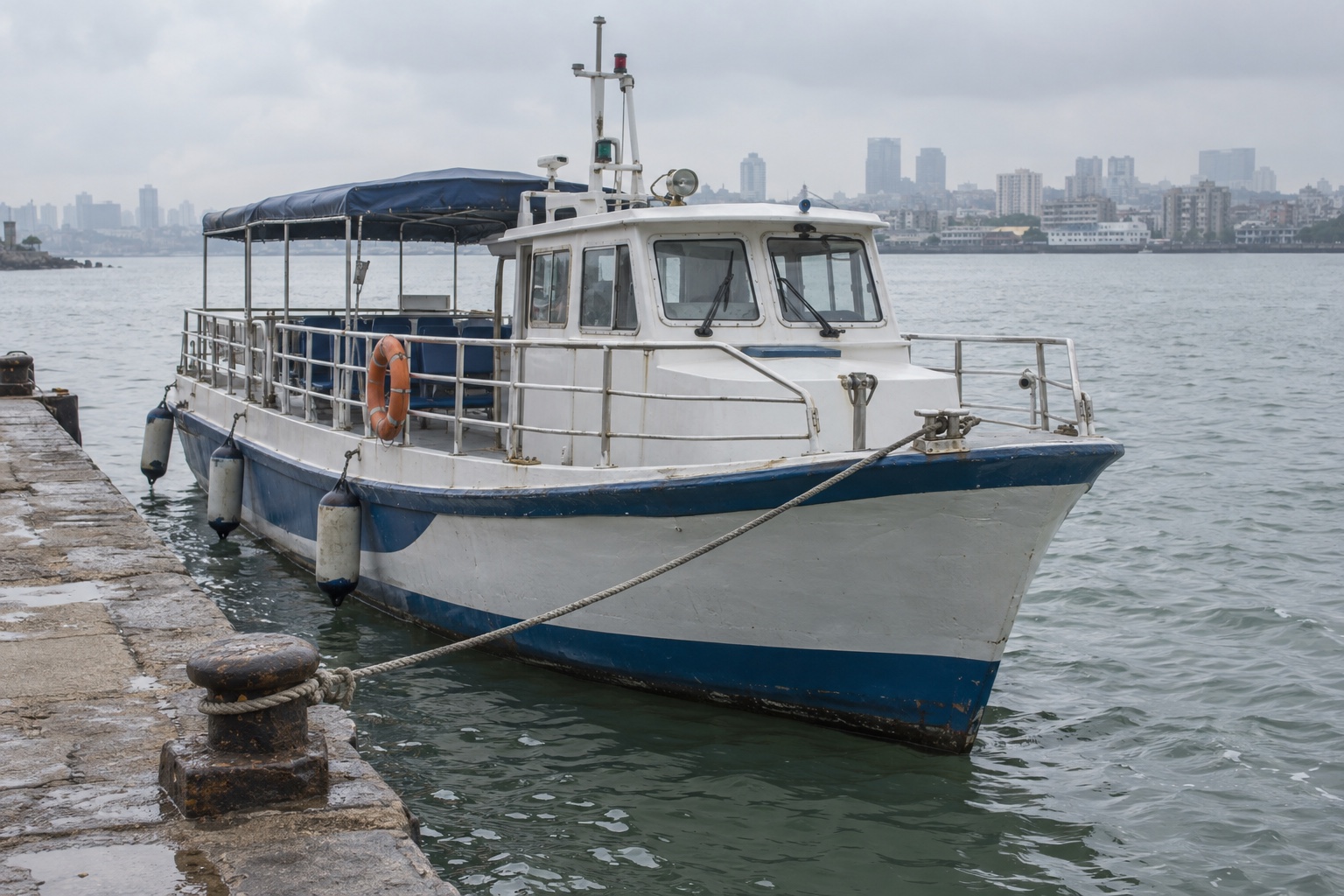
India · SIGNAL S-4753
Sightseeing Boat Oversight in Mumbai
Journey and engine RPM records support excursion reviews, while a crew button sends assistance requests with the boat’s reported location.
Explore use case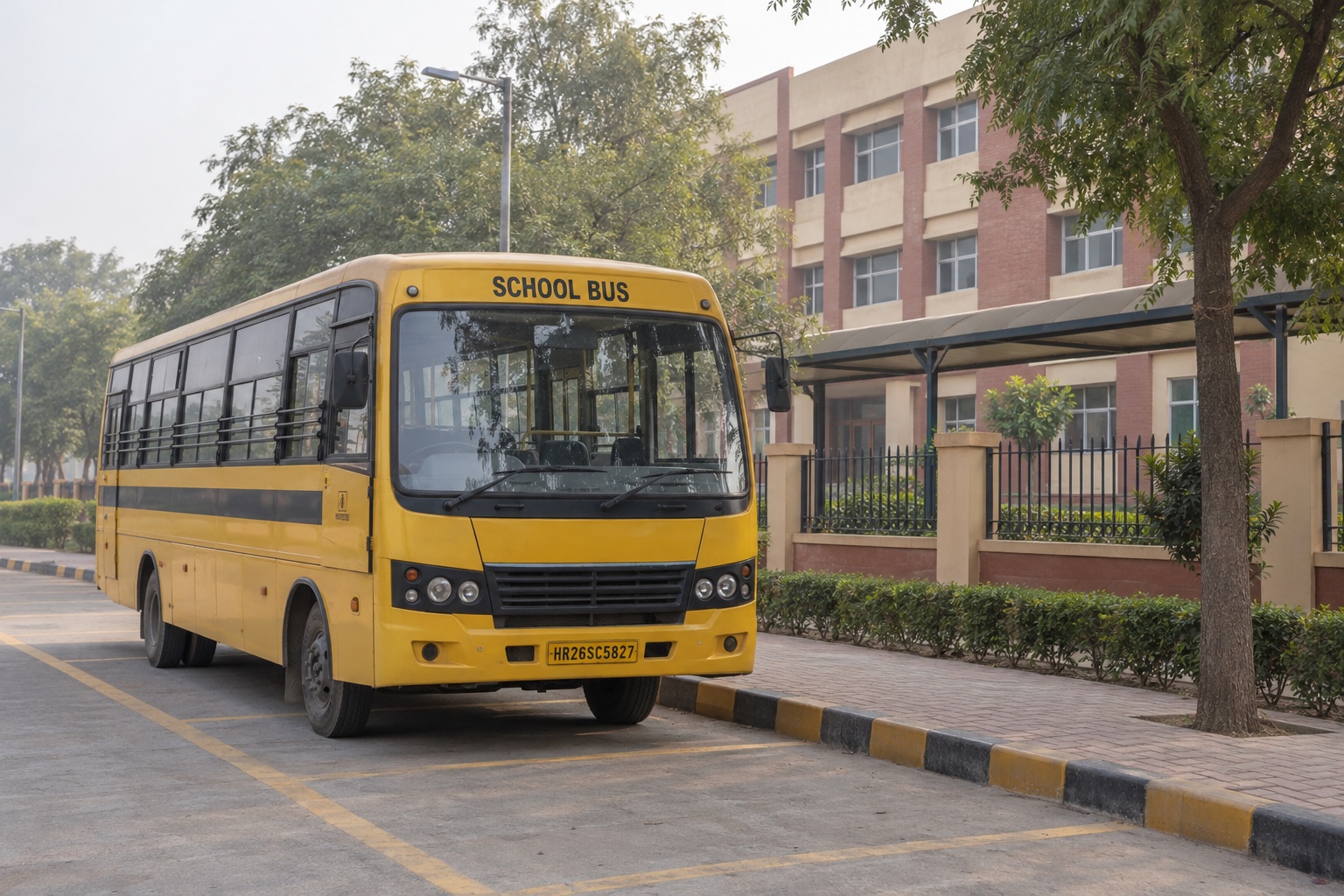
India · SMART S-4511
School Bus Updates in Gurugram
RFID card events and bus tracking give parents boarding and exit records, journey updates and arrival estimates across 20 school buses.
Explore use case
India · SMART S-2435
Electric Bus Readiness Between Delhi and Jaipur
Battery and charging records help prepare 17 electric buses across four stations, while journey and driver-card records support trip and shift reviews.
Explore use case