
INDIA · TOURIST TRANSPORT
Tourist Trip Distance and Charges in Delhi
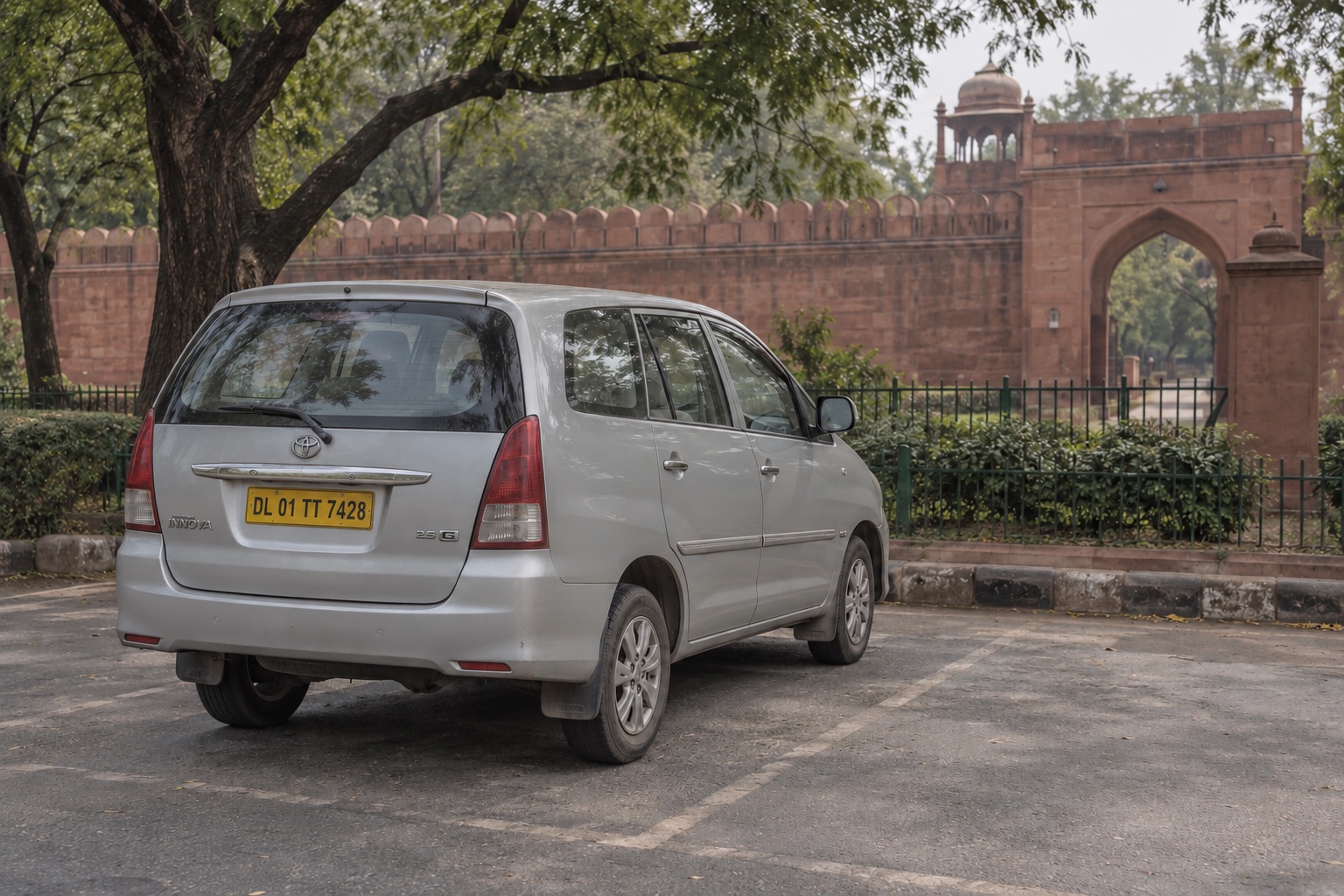
A tourist transport operator used CAN odometer readings and route history to check distance-based charges across 24 Toyota Innova vehicles.
Delhi, India · 24 Toyota Innova vehicles
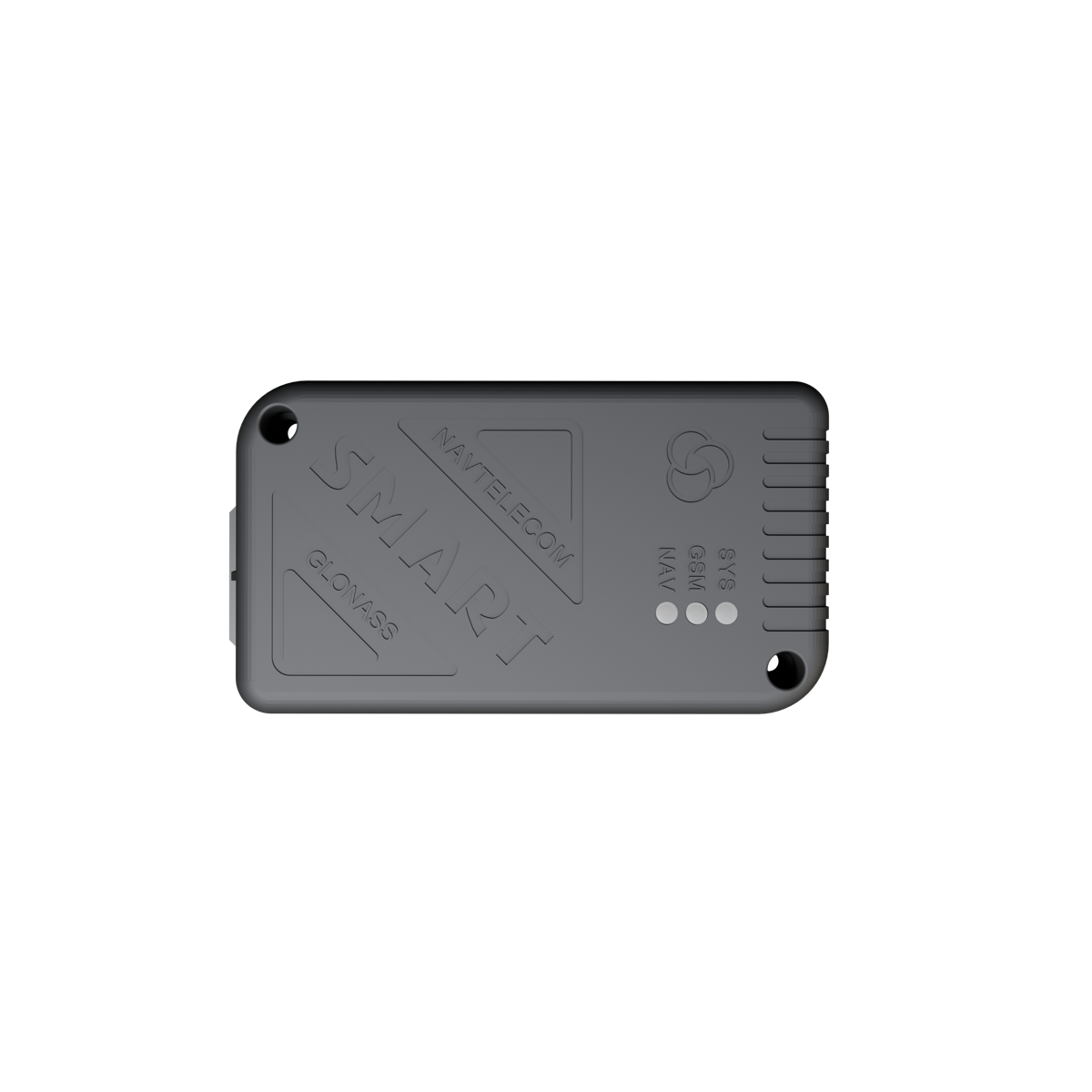
Solution device
SMART S-2435- Market
- IndiaDelhi
- Vehicles
- 24 Toyota Innova vehiclesDistance-based passenger charges
- Application
- Tourist transport
THE CHALLENGE
Check charged distance and personal detours
A tourist transport company in Delhi charged customers by the kilometre. Drivers were expected to photograph or record the odometer at pickup and again at the end of the journey.
When a driver forgot either reading, staff lacked the information needed to check the distance charged. Routes through tunnels also made distance calculated solely from satellite positions unsuitable as the only reference.
Another concern arose during sightseeing stops. Some drivers used the vehicle for personal errands while tourists were away, adding kilometres that customers could end up paying for.
THE SOLUTION
Link CAN mileage with journey history
SMART S-2435 trackers were installed in all 24 vehicles to collect odometer readings directly from the vehicle CAN network. These readings were available in the monitoring system alongside vehicle location and journey history.
Record mileage without driver photographs
Staff could compare recorded odometer readings at the agreed start and end of a customer journey. This reduced dependence on drivers remembering to photograph the dashboard. The distance came from the vehicle’s odometer rather than being calculated only from successive satellite positions. Travel through a tunnel could therefore still be reflected in the odometer difference, even when satellite positioning was unavailable.
Check movements during sightseeing stops
Route history allowed staff to review whether a vehicle moved while its passengers were visiting an attraction. Unexpected movements could be compared with the agreed itinerary and discussed with the driver before finalising the charge. The odometer recorded total distance; the route review helped determine which travel belonged to the customer’s service.
COMPANY-REPORTED OUTCOMES
Check mileage and challenge personal detours
The company could check trip charges using recorded vehicle mileage, including when drivers had forgotten their photographs or written notes.
Staff also gained a way to identify and challenge personal detours during customer waiting periods. According to the company, this oversight helped prevent customers from being charged for drivers’ personal journeys.
WHY SMART S-2435
Match recorded mileage to the booked service
S-2435 addressed the missing evidence behind a per-kilometre charge. By obtaining the vehicle’s own odometer readings, it reduced dependence on manual notes and on uninterrupted satellite positioning for distance calculation.
Location history answered a different question: whether that distance belonged to the booked service. Together, these records gave the company a basis for checking the amount charged and explaining it to the customer, while holding drivers accountable for unexpected journeys.
SMART S-2435
YOUR PROJECT
Tell us about the work you need to measure
Share the vehicles, routes, sensors and decisions you want this data to support.
More in this application
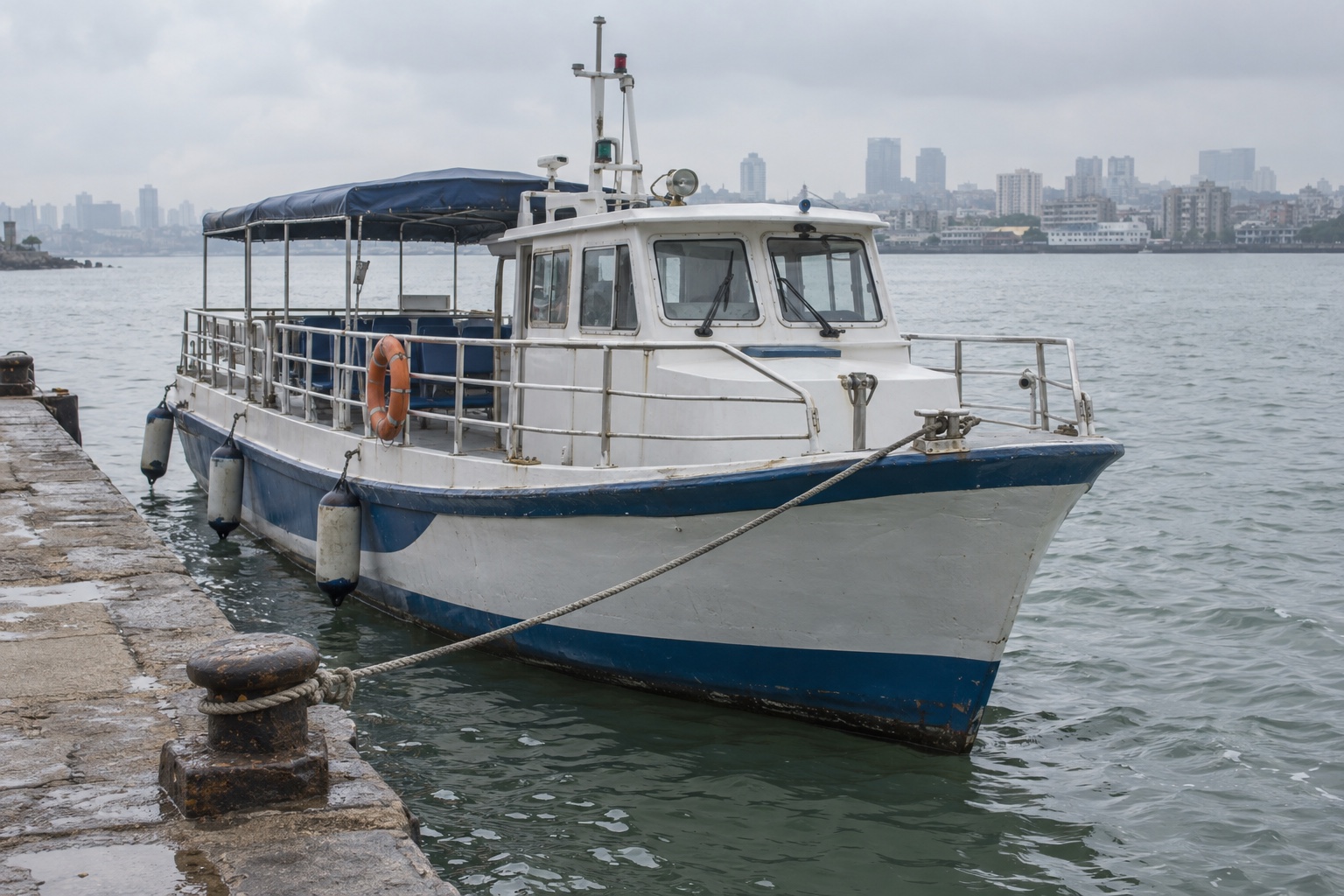
India · SIGNAL S-4753
Sightseeing Boat Oversight in Mumbai
Journey and engine RPM records support excursion reviews, while a crew button sends assistance requests with the boat’s reported location.
Explore use case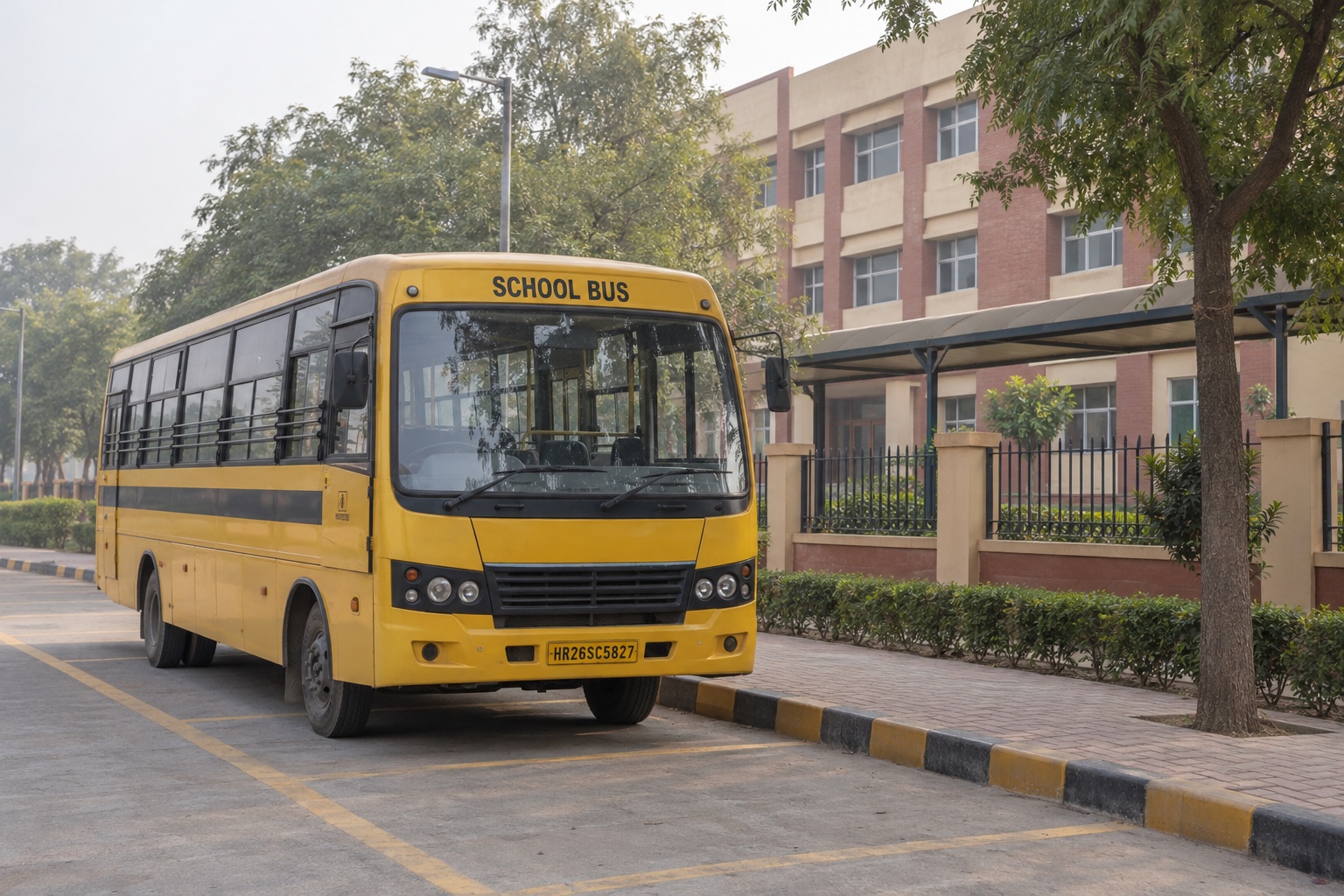
India · SMART S-4511
School Bus Updates in Gurugram
RFID card events and bus tracking give parents boarding and exit records, journey updates and arrival estimates across 20 school buses.
Explore use case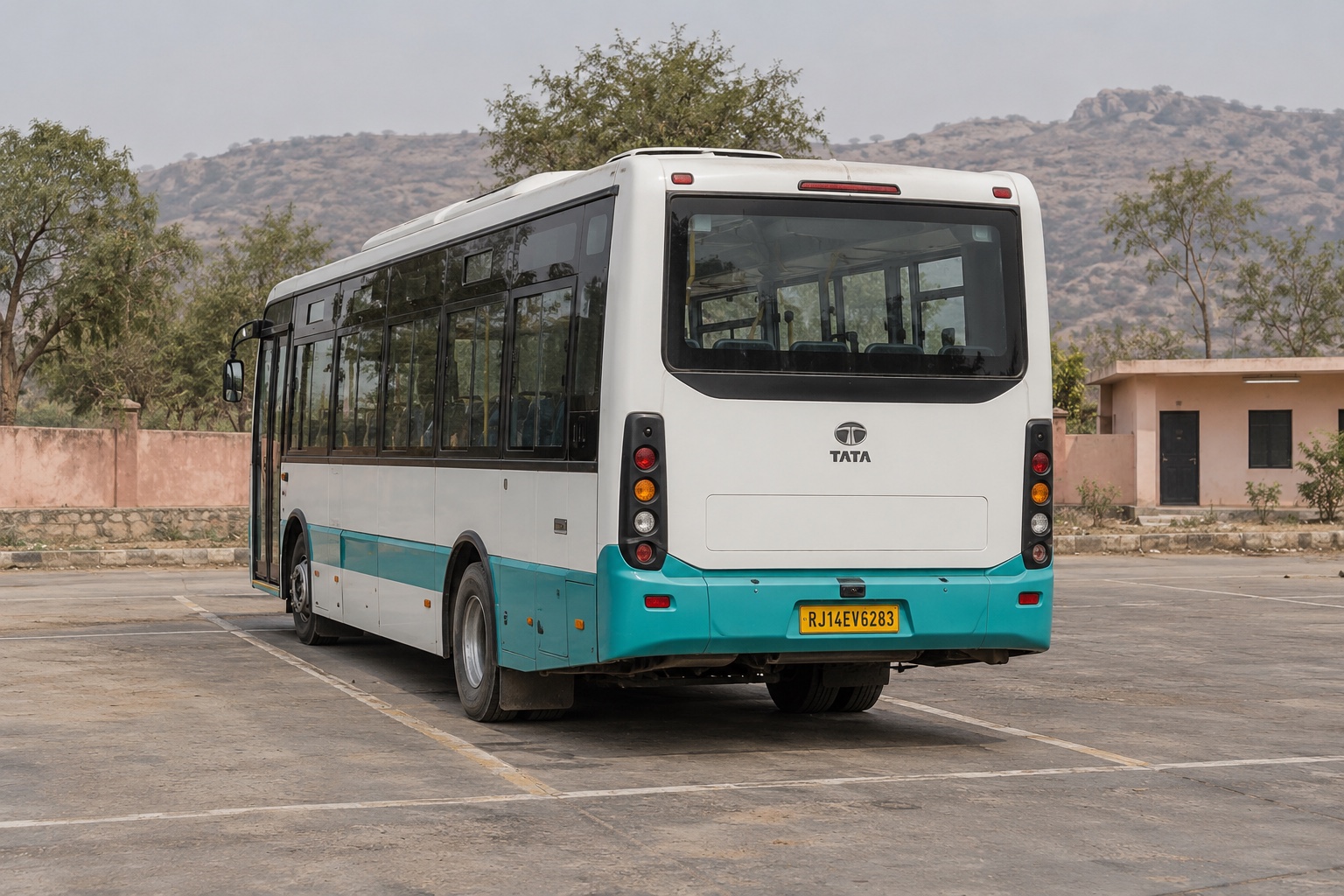
India · SMART S-2435
Electric Bus Readiness Between Delhi and Jaipur
Battery and charging records help prepare 17 electric buses across four stations, while journey and driver-card records support trip and shift reviews.
Explore use case