
ETHIOPIA · COFFEE COLLECTION AND TRANSPORT
Coffee Delivery and Cargo Checks in Ethiopia
Accountable coffee deliveries with SMART S-2433, driver start authorisation and targeted cargo, environment and fuel checks.
Eight-week pilot around Jimma
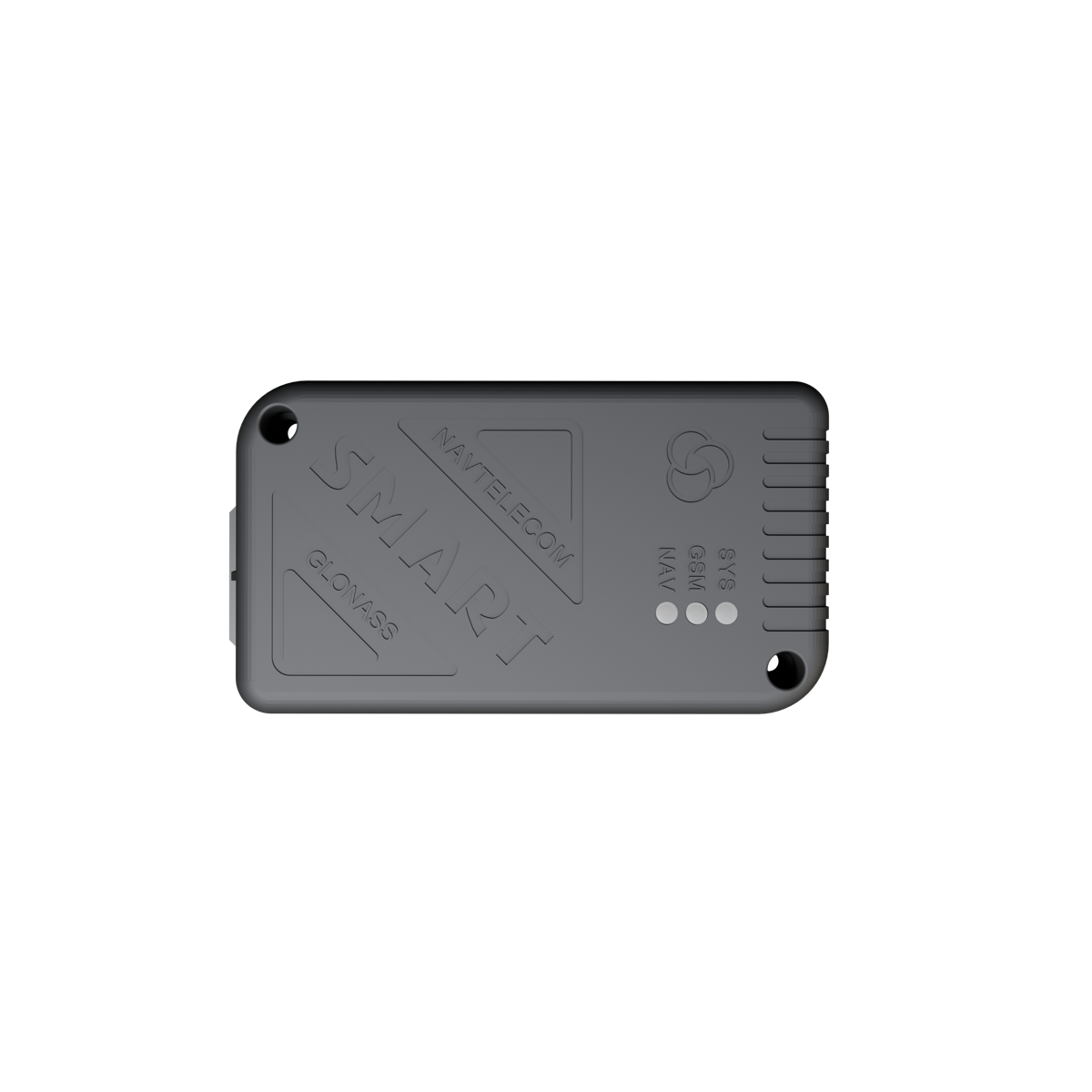
Solution device
SMART S-2433- Market
- EthiopiaJimma
- Vehicles
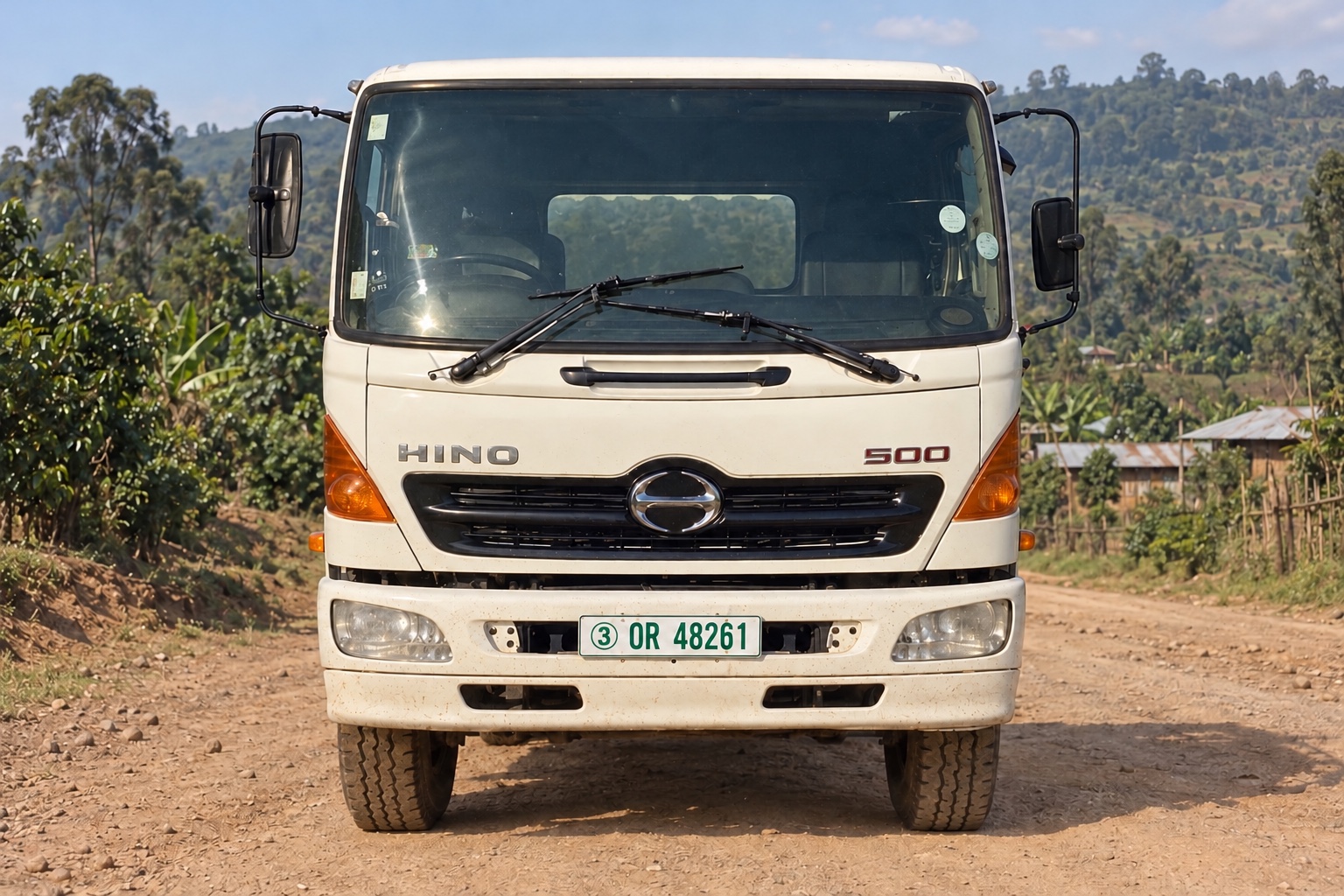
- 21 trucks9 HINO 300 · 12 HINO 500
- Application
- Coffee collection and transport
THE CHALLENGE
Connect each delivery to its driver and load
A coffee exporter used 21 trucks to collect bagged coffee around Jimma and deliver it to a warehouse. During peak collection, one delay could disrupt the next pickup and leave receiving staff waiting.
Dispatch needed to know who was driving, where each truck had stopped and when it would arrive. Supervisors also needed to connect unexpected cargo access, environmental alerts and fuel changes to the responsible driver and journey.
WHAT CHANGED DURING THE PILOT
One journey record. A specific next action.
Identify the driver before the journey starts
SMART S-2433 trackers linked driver identification to each trip. A valid credential enabled the starter through a relay; it did not stop an engine already running. Drivers identified themselves at the start of duty and when changing vehicles. Dispatch resolved missing identification and had a named contact for each transport exception.
Direct cargo checks to the loads that need them
A wired door contact linked cargo openings to the truck's position and driver. Unexplained roadside access prompted a call and, where needed, a receiving inspection. Bluetooth temperature and humidity sensors flagged sustained excursions in covered or enclosed load spaces. Staff checked the covering, water ingress and packaging. These readings guided inspections; bean moisture, bag counts and cargo acceptance remained warehouse checks.
Review fuel changes against the trip
Calibrated Bluetooth fuel sensors supplied tank readings alongside route history. Staff checked sustained refuelling increases and unusual drops against receipts, authorised transfers and stop circumstances. Fuel balances and distance helped identify fuel-intensive trips on comparable work, without requiring engine data.
Coordinate collection and warehouse arrival
Arrival, departure and stop records showed where delays repeated. Dispatch checked loading readiness, adjusted later pickups and updated the warehouse's arrival window so staff could prepare unloading space and labour. During coverage gaps, the tracker stored configured records for later upload. Dispatch used the last received position and timestamp until communication returned.
TARGETED RECEIVING CHECKS
Investigate the event. Inspect the load.
Door and load-space sensor records help staff identify journeys that need attention. Bag counts, seal condition, coffee sampling and acceptance remain receiving checks, not conclusions from an alert alone.
RESULTS AFTER THE EIGHT-WEEK PILOT
A more accountable collection process
The client confirmed these results from the eight-week pilot, provided by Navtelecom.
CLIENT-CONFIRMED RESULT
Unplanned stop time
14.0% reduction CLIENT-CONFIRMED RESULT
Number of late warehouse arrivals
17.8% reduction CLIENT-CONFIRMED RESULT
Average exception-review time
33.1% reduction Stop time means stationary time, not engine idling. Exception-review time begins once the necessary records reach the platform.
WHY SMART S-2433
Target checks to the right delivery
S-2433 helped staff decide whom to contact and what to inspect when a coffee delivery needed attention. A delay could be followed up with the registered driver; an unusual cargo event could be flagged for a targeted receiving check.
The company gained a shared account of the journey for dispatch and the warehouse, helping them resolve exceptions without reconstructing every delivery from separate driver reports.
SMART S-2433
YOUR PROJECT
Tell us about the work you need to measure
Share the vehicles, routes, sensors and decisions you want this data to support.
More in this application
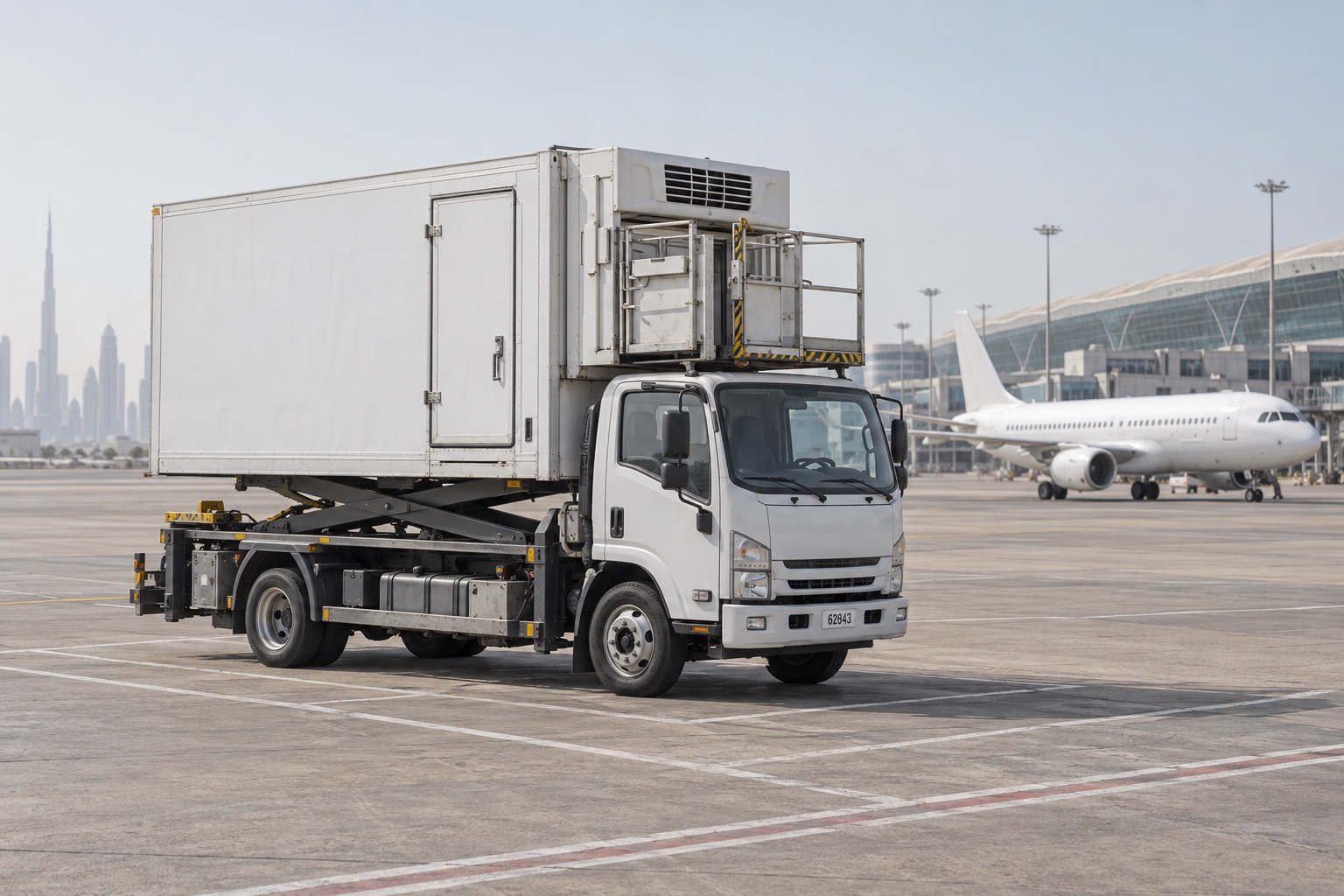
UAE · SMART S-4537
High-Lift Catering Operations in Dubai
Pilot on 20 high-lift catering trucks. Chassis and lift records help investigate servicing delays, while Complex Events warnings and temperature history support checks at aircraft stands.
Explore use case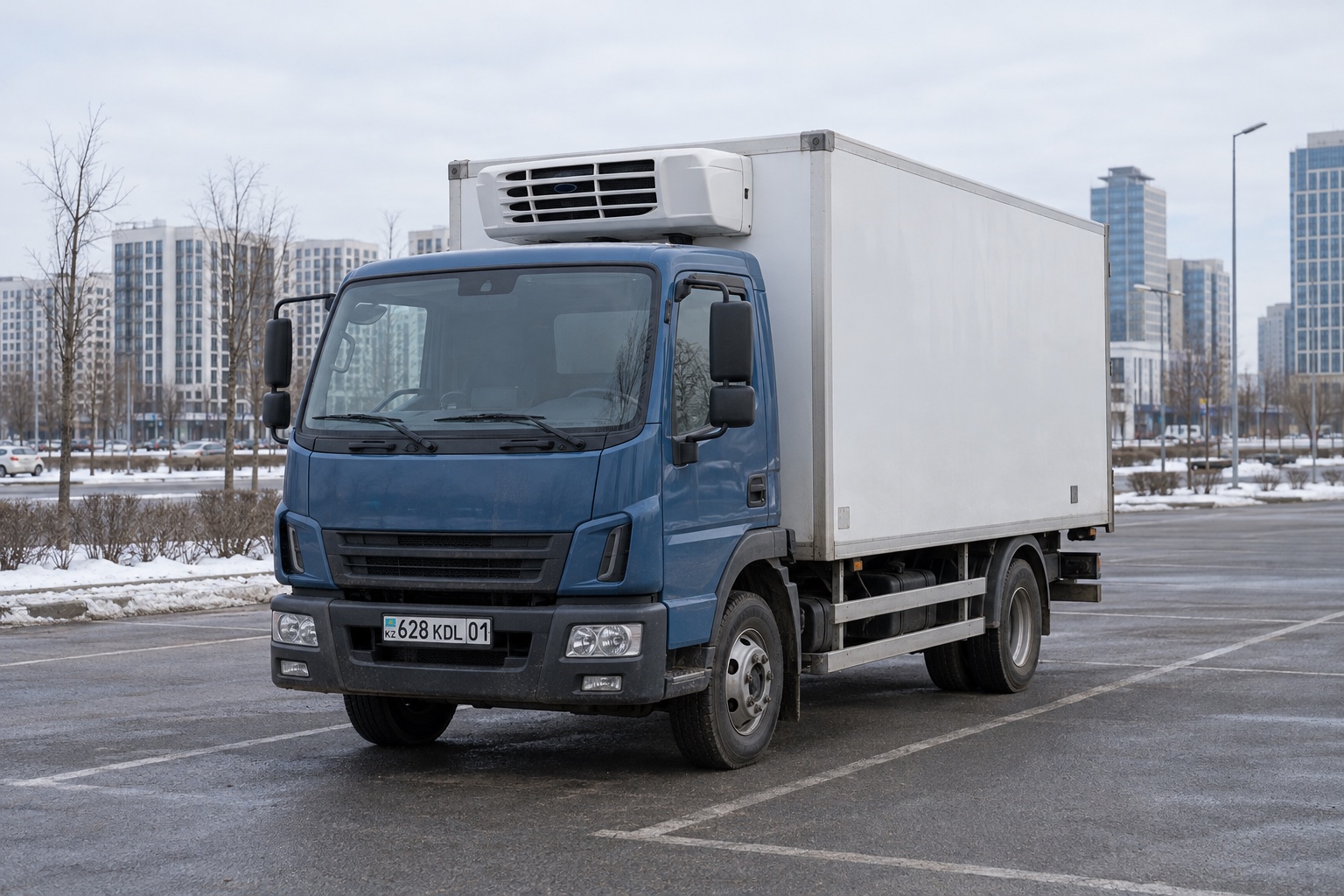
Kazakhstan · SMART S-2421
Frozen-Food Temperature Alerts in Astana
Two individual sensor readings trigger urgent SMS at −17°C, directing attention to developing temperature problems across 34 refrigerated vehicles.
Explore use case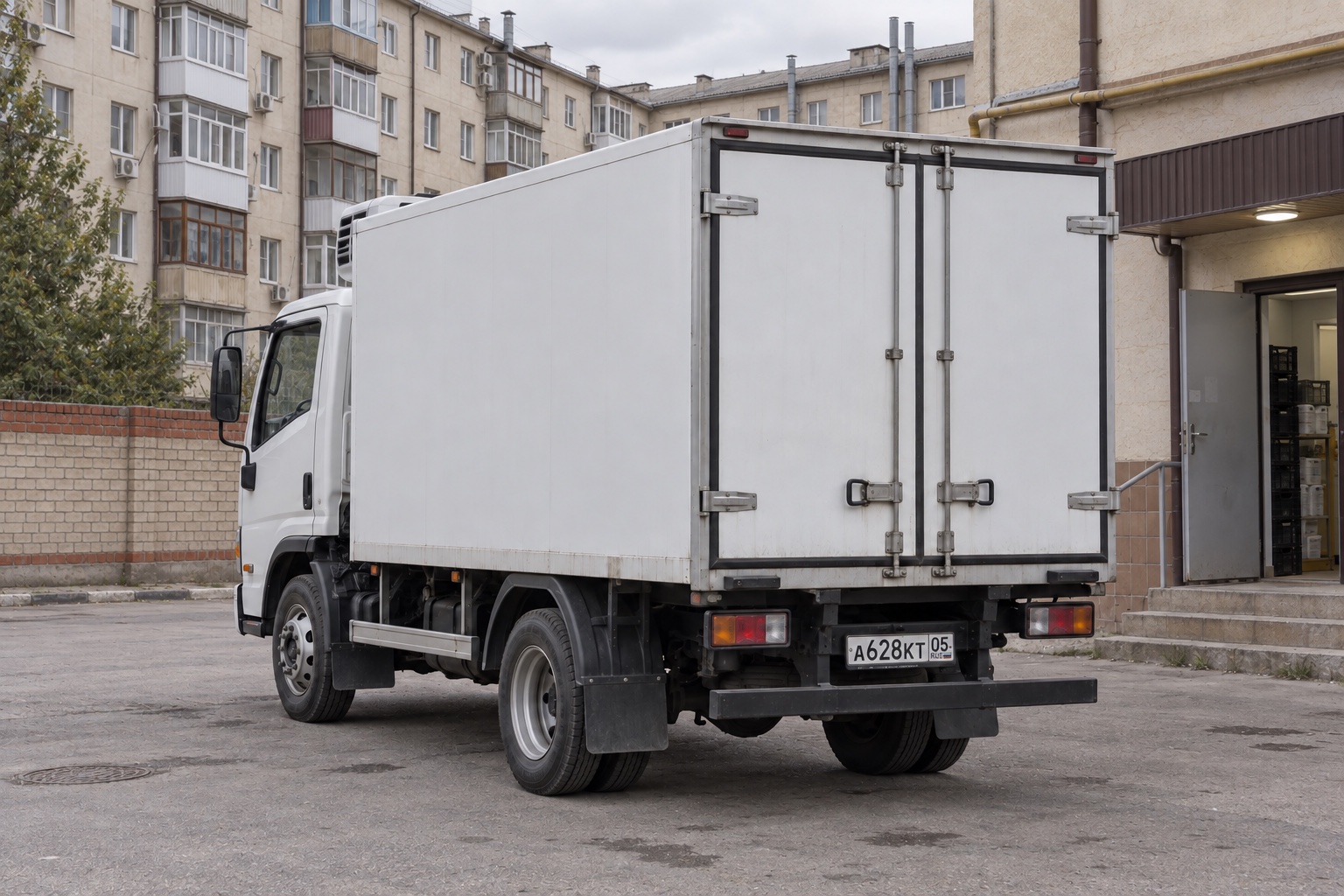
Russia · SMART S-2421
Dairy Temperature Alerts in Dagestan
Individual sensor readings trigger SMS warnings above 5°C and recovery messages across 12 refrigerated trucks, using standard device settings.
Explore use case