
GHANA · COCOA TRANSPORT
Accounting for fuel and reducing empty running in Ghana
Connect fuel purchases, tank changes and truck journeys with START S-2011, Bluetooth fuel sensors and a configured monitoring platform.
Eight-week pilot around Kumasi
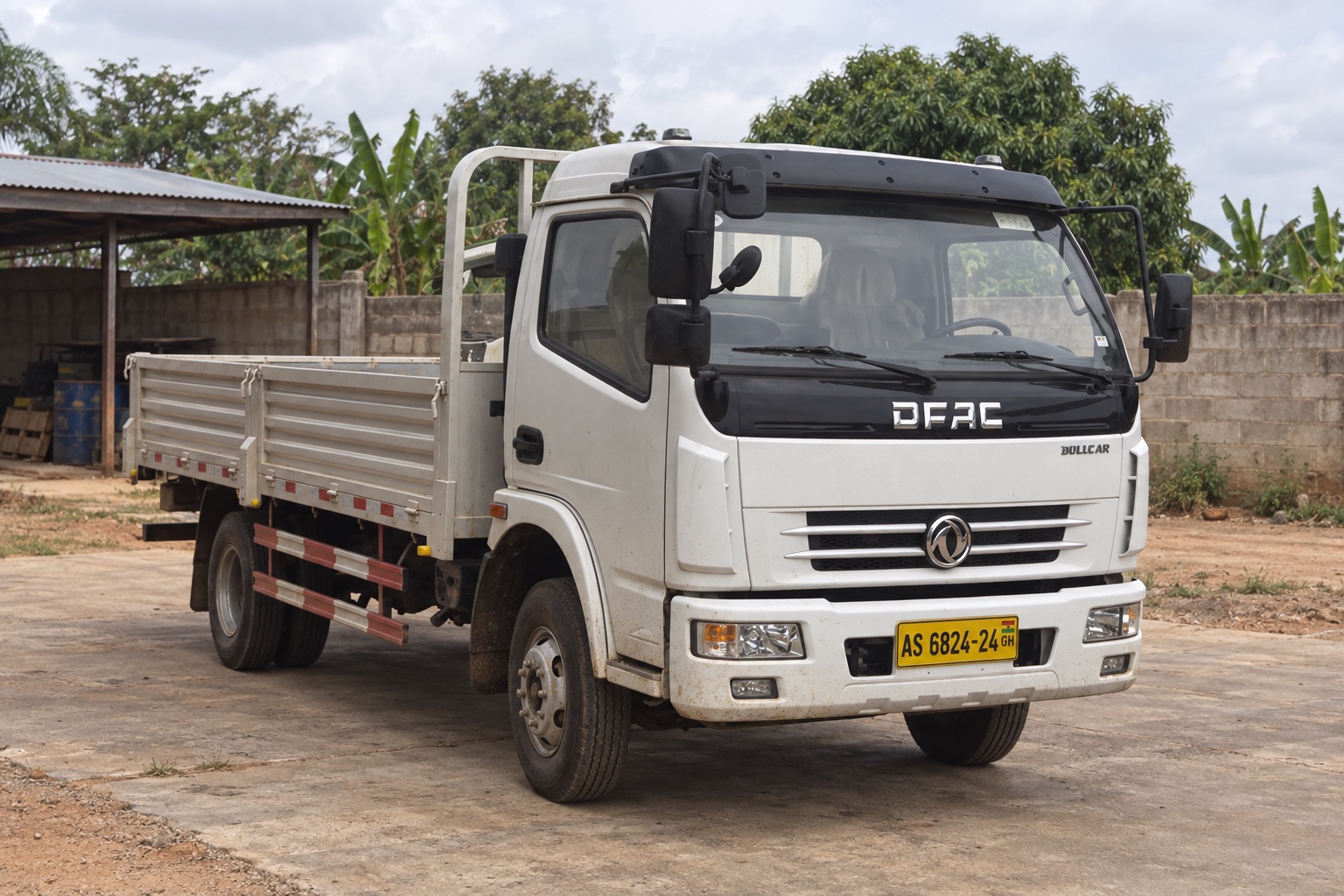

Solution device
START S-2011- Market
- GhanaKumasi
- Vehicles
- 55 trucks30 DONGFENG CAPTAIN · 25 FAW J6P-420
- Application
- Cocoa transport
THE CHALLENGE
Where did the diesel go?
A Kumasi logistics company used 55 trucks to move bagged cocoa between buying points, warehouses and processing facilities. Fuel receipts showed what was purchased, but not whether it reached the tank or why one journey used more diesel than another.
Long engine-on waits, unexplained fuel drops and unnecessary empty journeys added to costs. Managers needed to connect each fuel event to a truck, location and assignment, then decide what to change.
WHAT CHANGED DURING THE PILOT
One journey record. A specific next action.
Check purchases and investigate fuel losses
START S-2011 trackers and calibrated Bluetooth fuel level sensors brought tank readings and vehicle positions into one platform. Staff compared refuelling increases with receipts, locations and times. An unusual sustained drop triggered a check with the driver and a review of transfers and surrounding readings. The finding determined the response: correct a record, inspect the installation, check for a leak or investigate suspected draining. A fluctuation alone was not proof of theft.
Find trips using more fuel than comparable work
Tank balances and tracked distance supported fuel-use comparisons across similar routes, loads and vehicle classes. Repeatedly high consumption prompted a review of extra distance and operating conditions, followed by a vehicle inspection where needed.
Reduce avoidable engine-on waiting
Stationary time, ignition and a validated engine-running indication identified prolonged engine-on waits. A separate input recorded whether air conditioning was on. Dispatch reviewed recurring waits with drivers. When parked safely and conditions allowed, drivers switched off the engine and air conditioning. Necessary operation and cab-cooling needs were considered. Follow-up reports tracked engine-on minutes and overall fuel use.
Plan collection before dispatch
After unloading was confirmed, dispatch selected a suitable next pickup using vehicle location, capacity, driver availability and loading readiness. Repeated delays led to checks that loads were ready and receiving windows agreed. During coverage gaps, dispatch used the last received position and timestamp; stored journey records uploaded when communication returned.
RESULTS AFTER THE EIGHT-WEEK PILOT
Fuel records connected to the work performed
The client confirmed these results from the eight-week pilot, provided by Navtelecom.
CLIENT-CONFIRMED RESULT
Fuel used for comparable transport work
3,850 litres less · 7.31% CLIENT-CONFIRMED RESULT
Long stops classified as unauthorised
30 fewer · 21.74% CLIENT-CONFIRMED RESULT
On-time delivery rate
+7.9 percentage points The client also confirmed 8.6% fewer empty kilometres. The fuel reduction reflects the combined operational changes over the pilot; individual savings are not added separately.
WHY START S-2011
Check fuel purchases against the work performed
S-2011 gave the company a way to question a fuel discrepancy at a particular stop and to review empty travel before assigning the next job. Fuel bills could be checked against what happened on the route.
The same review process worked across the mixed truck fleet. Managers could change dispatch decisions and follow up on individual exceptions rather than treat every increase in fuel expenditure as unavoidable.
START S-2011
YOUR PROJECT
Tell us about the work you need to measure
Share the vehicles, routes, sensors and decisions you want this data to support.
More in this application
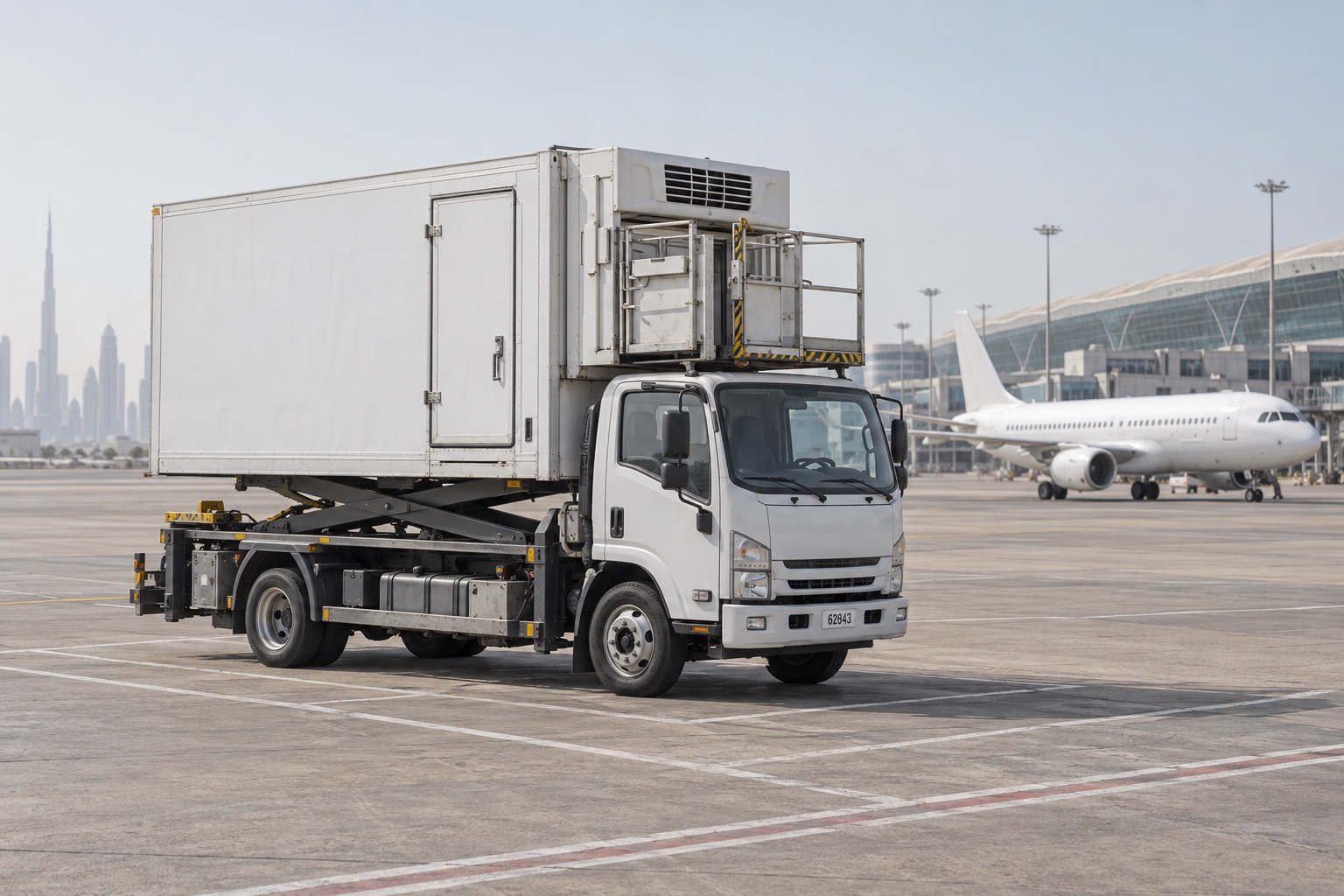
UAE · SMART S-4537
High-Lift Catering Operations in Dubai
Pilot on 20 high-lift catering trucks. Chassis and lift records help investigate servicing delays, while Complex Events warnings and temperature history support checks at aircraft stands.
Explore use case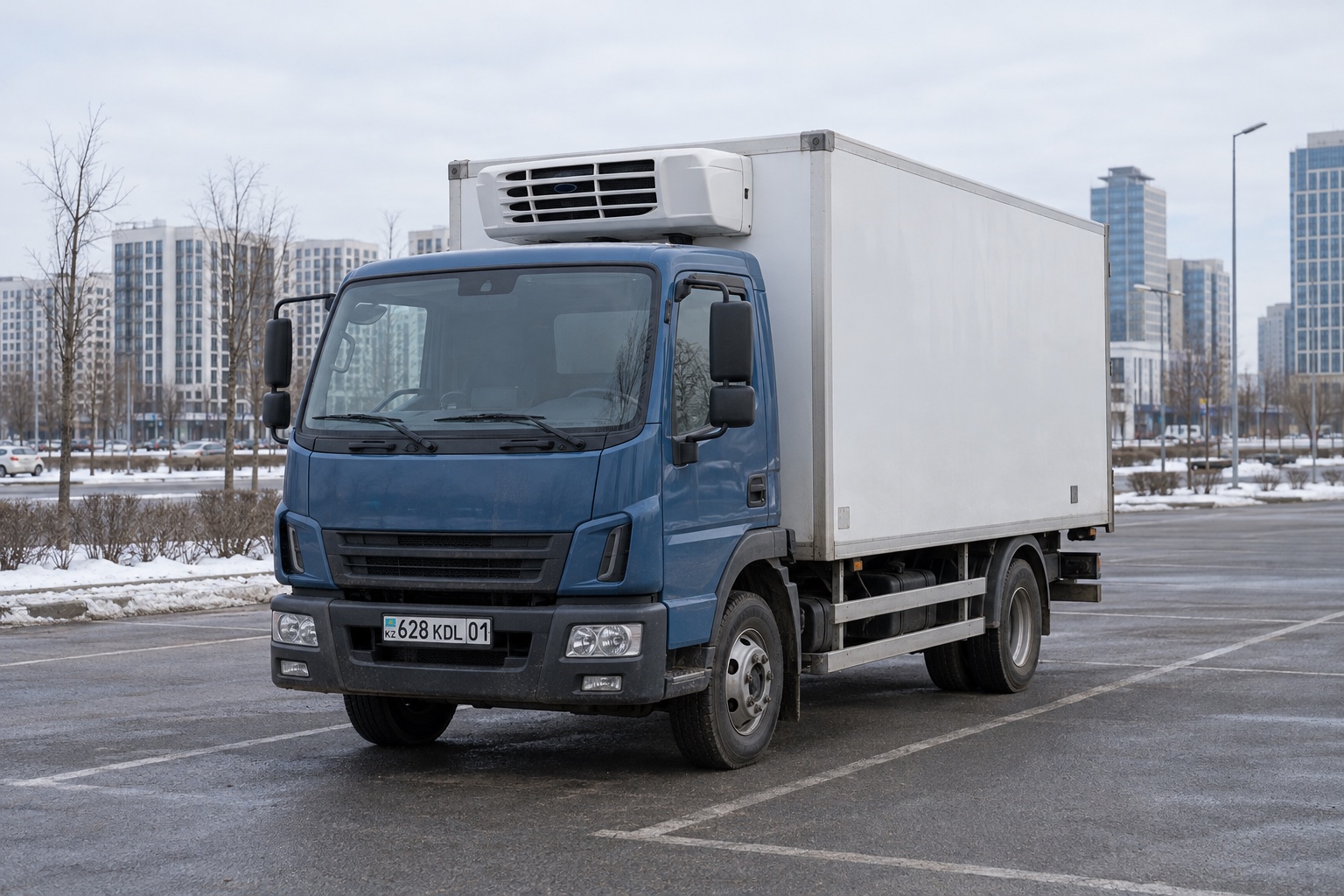
Kazakhstan · SMART S-2421
Frozen-Food Temperature Alerts in Astana
Two individual sensor readings trigger urgent SMS at −17°C, directing attention to developing temperature problems across 34 refrigerated vehicles.
Explore use case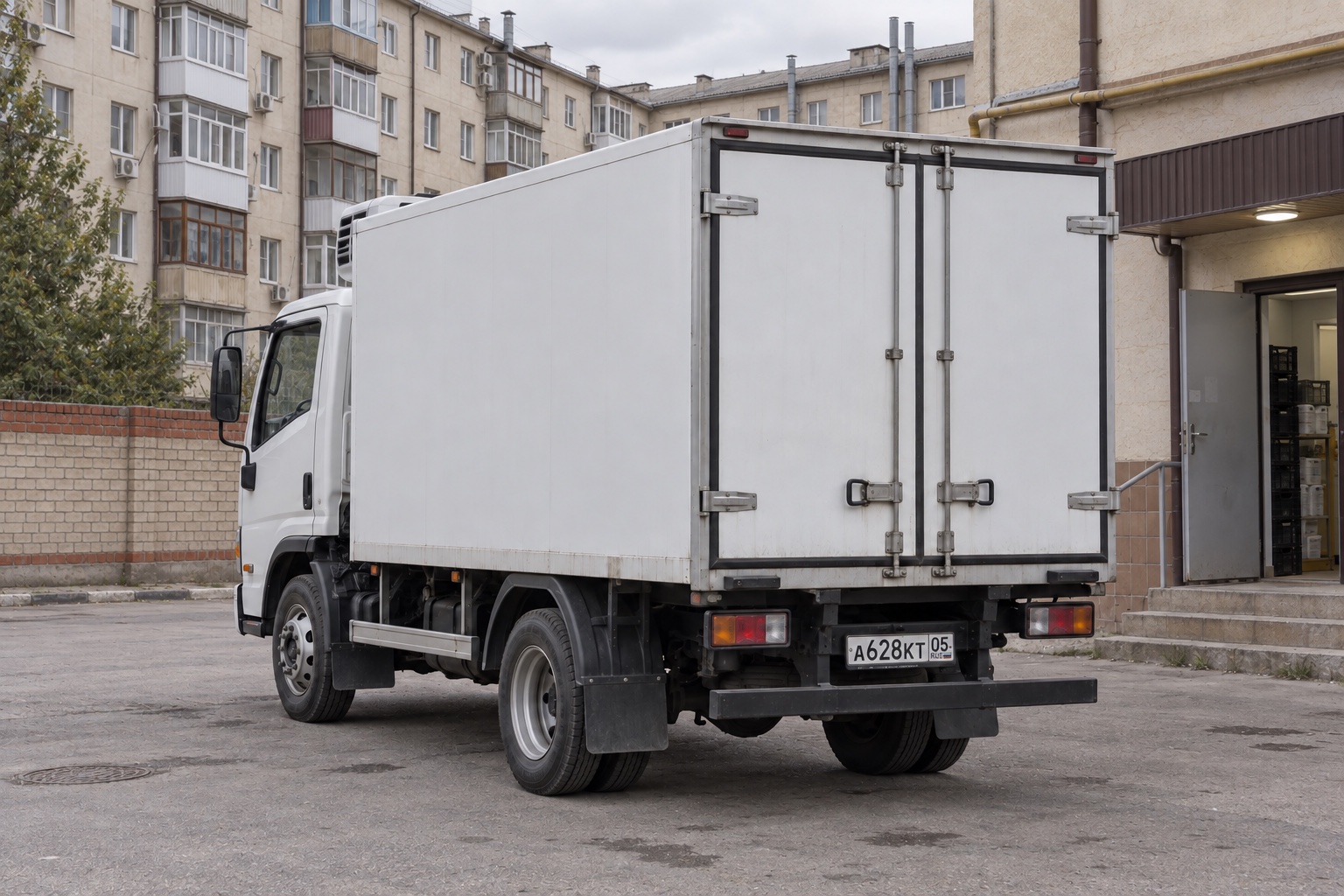
Russia · SMART S-2421
Dairy Temperature Alerts in Dagestan
Individual sensor readings trigger SMS warnings above 5°C and recovery messages across 12 refrigerated trucks, using standard device settings.
Explore use case