
INDIA · ROAD CONSTRUCTION AND INFRASTRUCTURE
Monitoring Construction Equipment Use in India
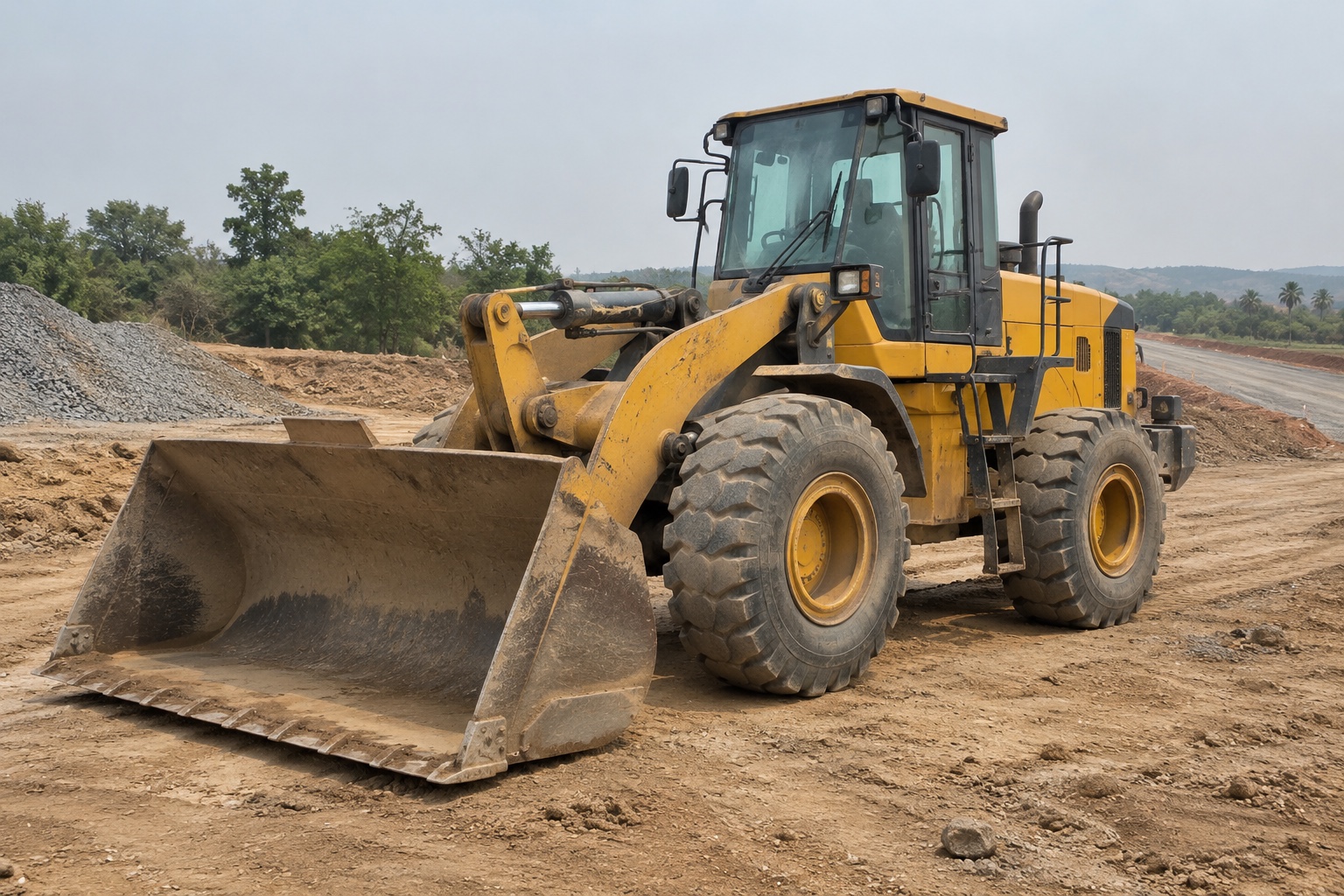
A construction contractor combined engine data, working-state signals, tyre monitoring and operator identification to understand how machines were used and identify operating conditions requiring attention.
India · Road construction and infrastructure

Solution device
SMART S-4535- Market
- India
- Equipment
- 28 machinesWheel loaders and other heavy machinery
- Application
- Road construction and infrastructure
THE CHALLENGE
Distinguish working activity from engine runtime
The contractor operated equipment across multiple construction sites. Site managers needed to know where each machine was deployed, how much it was working and which operator was responsible during each shift.
Engine hours alone could not explain equipment utilisation. A loader could remain running while waiting for materials or instructions, accumulating operating hours without performing work. Managers needed to distinguish these periods before adjusting assignments or sending additional equipment to a site.
The company also wanted to identify engine and tyre conditions requiring attention during operation, rather than discovering them only during an inspection after the shift.
THE SOLUTION
Link engine, equipment and operator records
The installation covered 28 construction machines. The machines were equipped with SMART S-4535 trackers connected to supported onboard data, additional machine-state signals and operator-identification readers. Wheeled equipment also received tyre-pressure and temperature monitoring.
Separating engine runtime from working activity
The trackers collected supported CAN parameters, including engine hours, RPM, coolant temperature and diagnostic fault information. Ignition and hydraulic or work-activity signals provided additional context. Together with location and movement records, these helped managers distinguish travel, waiting with the engine running and periods of equipment activity. When a machine accumulated runtime without corresponding work signals, the site manager could investigate whether it was waiting for materials, instructions or access to the work area. This provided a basis for changing task allocation and site coordination. Working-state signals showed equipment activity; they did not independently measure the volume of material moved or work completed.
Linking shifts to operators
Operators identified themselves through a compatible reader connected via 1-Wire. Identification events allowed working records to be associated with the operator who signed in. Managers could then discuss specific operating events with the relevant person, investigate unusual activity and target training where needed. Cabin-door status provided additional context when reviewing events around the machine.
Warn about tyre and engine conditions
An RS-485 tyre-pressure monitoring system recorded tyre pressure and temperature on the wheeled machines. A buzzer connected to the tracker provided an in-cabin warning when a configured condition occurred, such as abnormal tyre pressure or excessive coolant temperature. The operator could check the issue and follow the equipment’s prescribed response, involving maintenance when necessary. These warnings supplemented the machine’s original indicators and protective systems.
Planning servicing around equipment use
The maintenance team could review engine hours alongside available fault information, coolant-temperature history and tyre readings. This helped staff track service intervals across machines with different workloads and identify equipment requiring inspection. Maintenance planning no longer depended solely on calendar dates or occasional manual readings. The tracker’s 800 mAh backup battery also supported reporting for a limited period after external power was disconnected. Reporting duration depended on settings and operating conditions.
PROJECT OUTCOMES
Review underuse and target maintenance
Site managers could question engine runtime without corresponding work activity and discuss the period with the registered operator.
Maintenance teams could select equipment needing inspection from recorded engine or tyre concerns. Configured warnings also reached operators during their shifts.
WHY SMART S-4535
Check engine runtime against work
S-4535 helped the contractor assess machine use beyond attendance on site. Managers could compare engine runtime with recorded work activity and discuss unexplained periods with the registered operator before changing assignments.
The same installation helped maintenance select machines needing inspection and brought configured warnings to operators during the shift. Its value was directing attention to a particular machine, operating period or person.
SMART S-4535
YOUR PROJECT
Tell us about the work you need to measure
Share the vehicles, routes, sensors and decisions you want this data to support.
More in this application
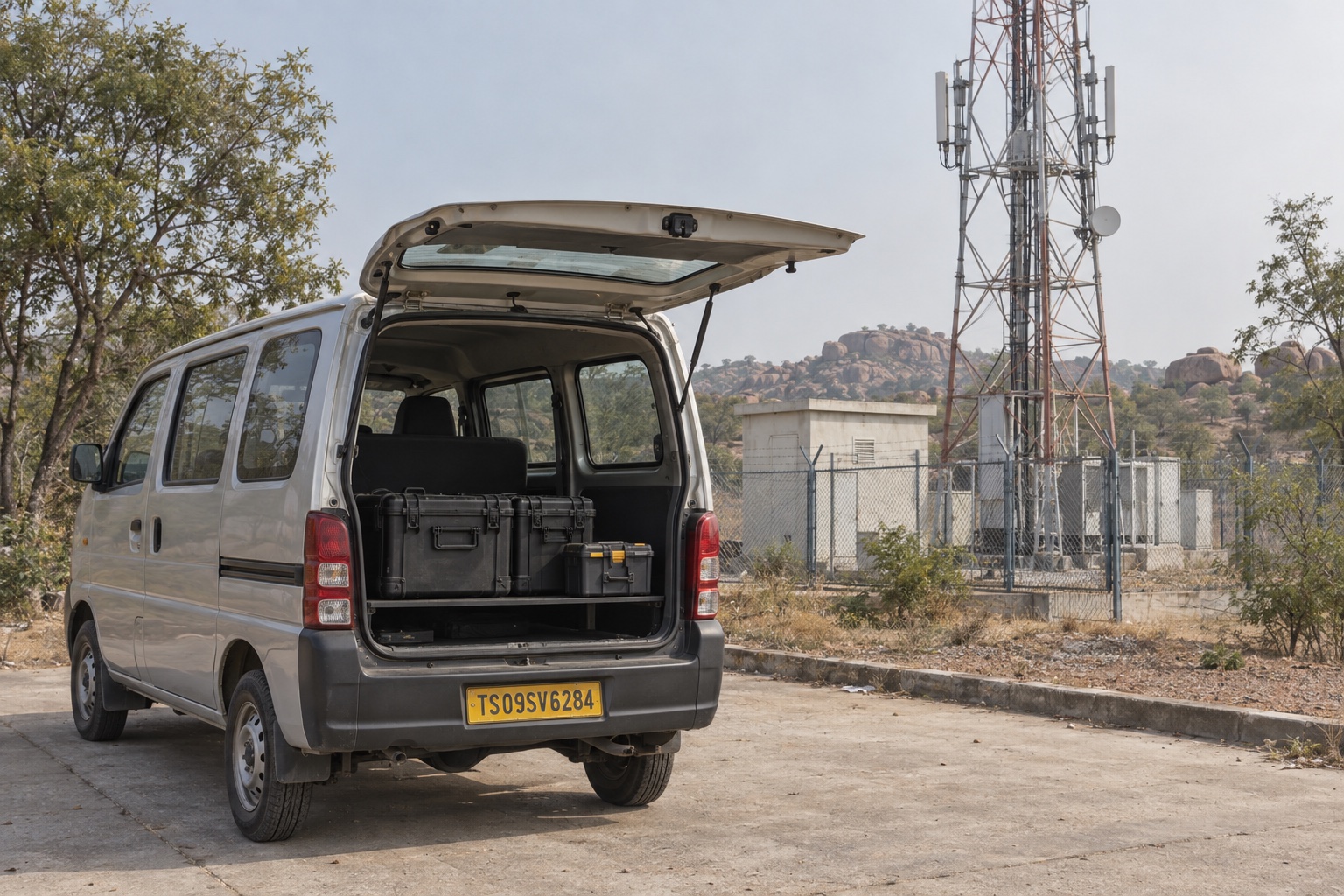
India · SMART S-2433
Tool-Check Warnings in Hyderabad
Six service vans. BLE equipment tags and adapted Complex Events logic prompt in-cab checks, while technician and service-visit records provide a starting point for recovery.
Explore use case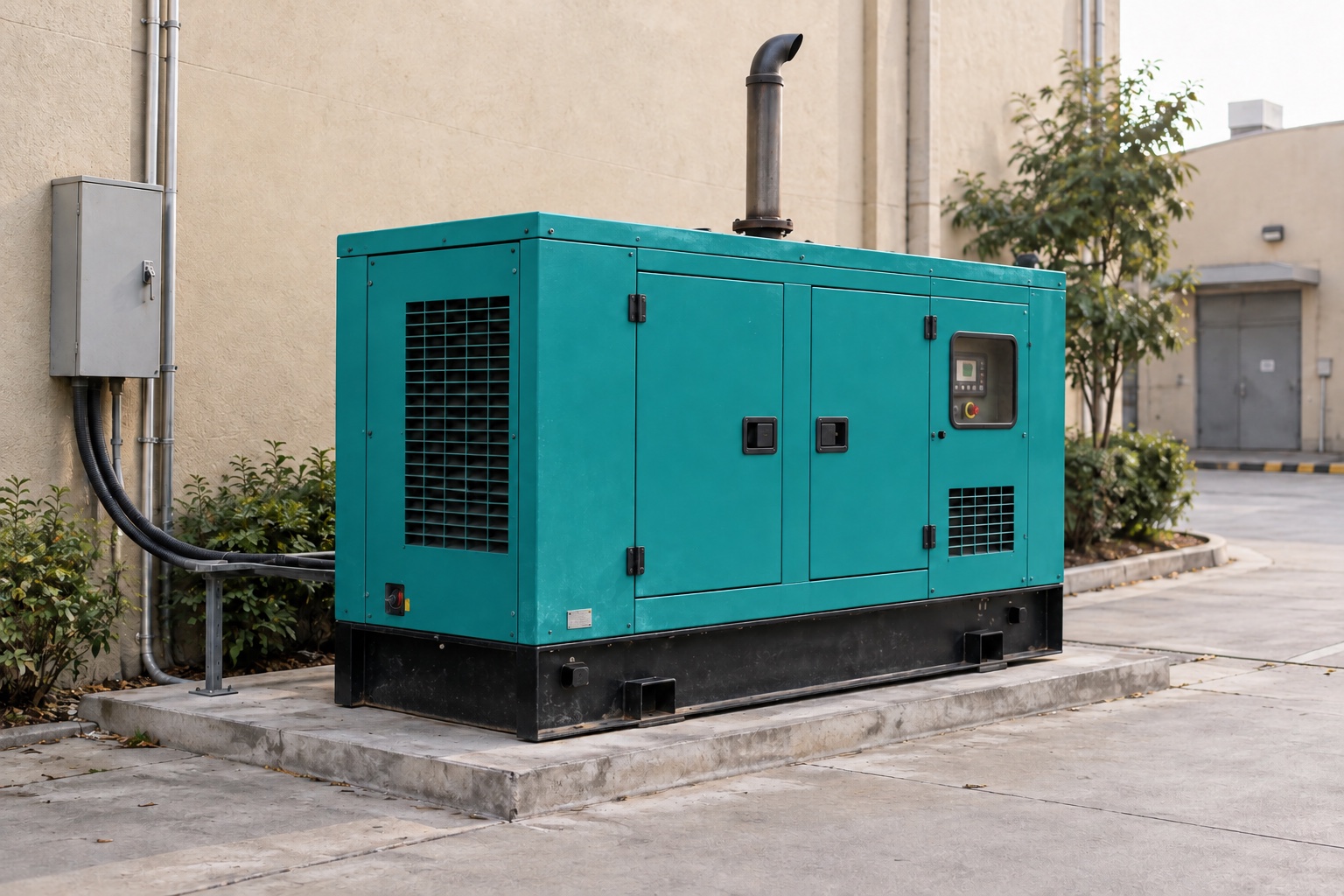
India · START S-2011
Paid Generator Rental Periods in Gurugram
Online rental extensions trigger remote restriction or release, while voltage-based operating-hour records support usage reviews across 28 generators.
Explore use case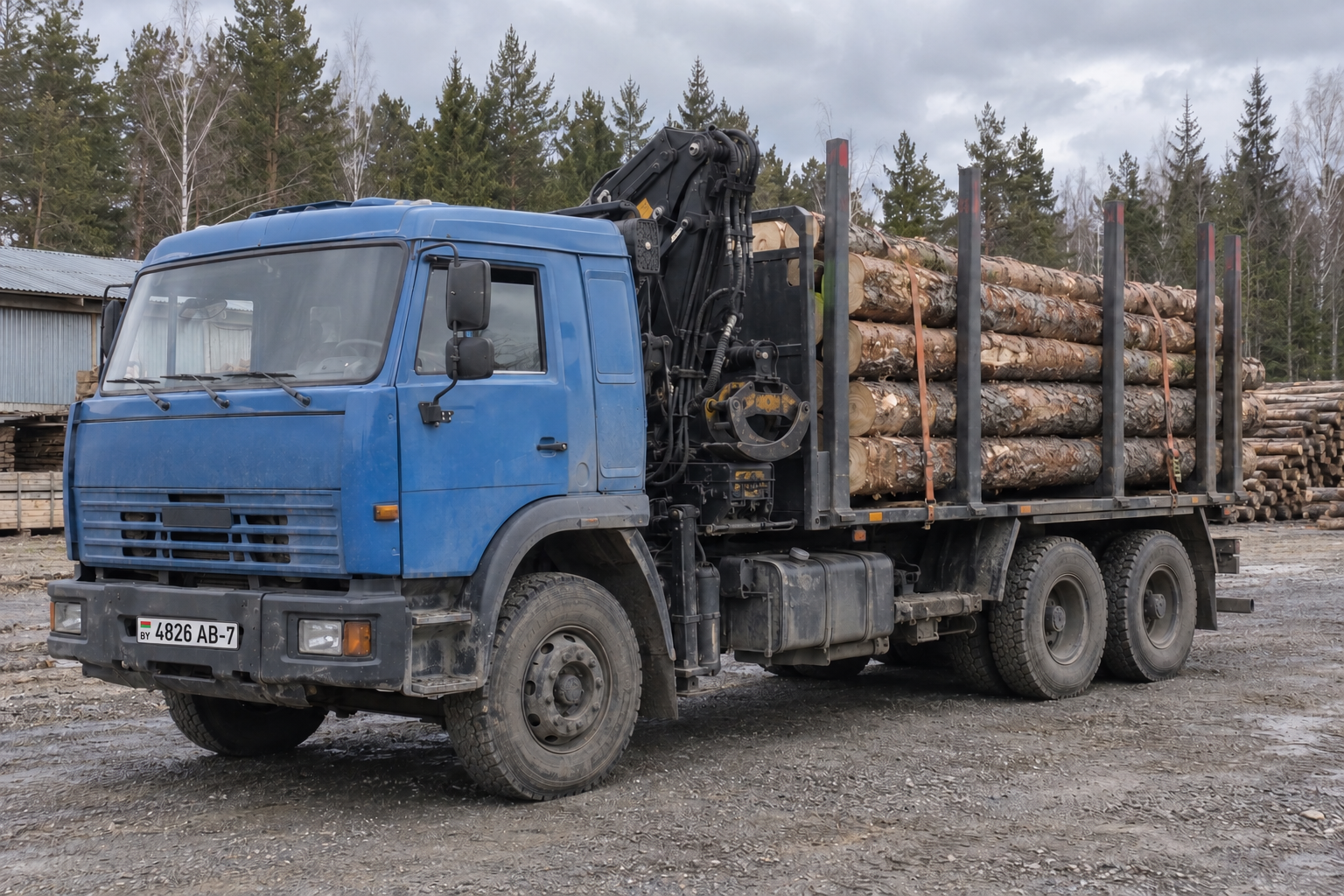
Belarus · SMART S-4511
Timber-Truck Access and Operations in Minsk
Pilot on 10 timber trucks in Minsk, Belarus. Driver authorisation controls starting, equipment-position signals trigger a separate warning, and fuel records support investigation of specific parked events.
Explore use case