
INDIA · TATA SIGNA FLEETS
Reducing fuel waste across a truck fleet
Reduce avoidable idling and inefficient driving with SMART S-4535, Eco-driving and fleet monitoring reports.
Client-confirmed monthly results, provided by Navtelecom.

Solution device
SMART S-4535- Market
- India
- Vehicles
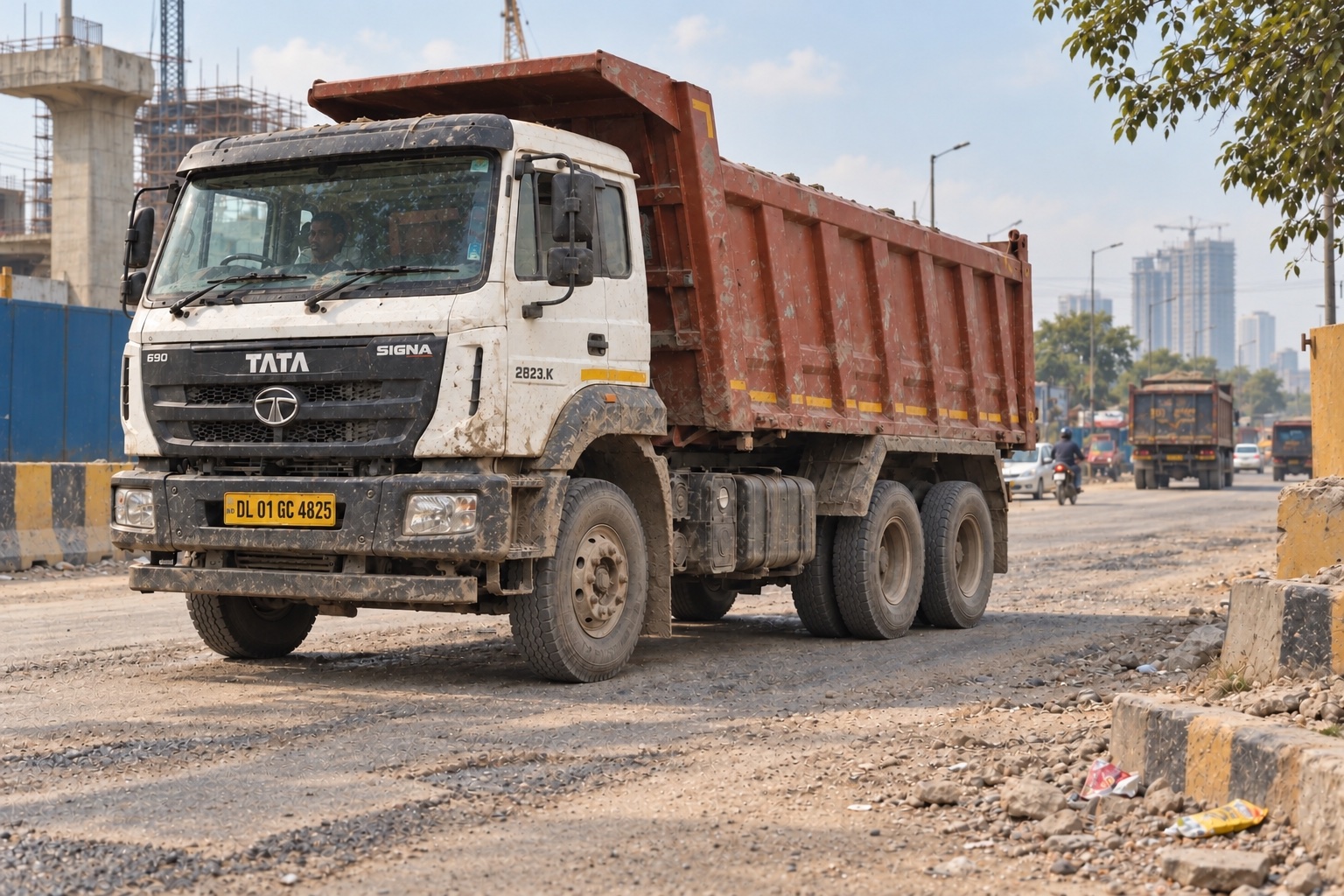
- 33 trucks20 SIGNA 4825.T 13 SIGNA 2823.K
- Application
- Construction materials transport
THE CHALLENGE
Find where the fleet wastes fuel
A construction-materials carrier operates 33 trucks between suppliers, loading yards and customer sites. The fleet faces a recurring problem: engines keep running while trucks wait for loading instructions, access to a site or an available unloading area. On the road, repeated hard acceleration, late braking and excessive speed add another source of avoidable consumption. These losses accumulate across the fleet.
The fleet manager can see the fuel bill and completed trips, but cannot reliably separate fuel used to move a load from fuel burned during unnecessary waiting. Asking every driver to “use less fuel” gives them no specific behaviour to change. Blaming drivers also misses delays caused by dispatching several trucks to the same loading point at once.
The business needs to address both unnecessary engine running and inefficient driving across all 33 trucks, while accounting for routes, loads and working conditions.
- Which recurring waits waste diesel?
- Which driving habits waste fuel on the road?
- Should the driver, dispatcher or site supervisor respond?
- Does equivalent work require fewer litres after the change?
THE SOLUTION
Reduce waste while waiting and driving
The solution combines S-4535 vehicle data with trip and stop reports in the monitoring platform. Engine-running status, speed and location identify stationary periods with the engine on. Supported fuel-consumption readings help quantify the litres burned during these periods. The integrator verifies the available readings on each vehicle variant and configures the reports before rollout.
Find where the expense repeats
The fleet manager reviews engine-on stops by vehicle, location and time of day. Repeated waits at the same loading yard point to a scheduling issue; avoidable running during breaks points to a driver practice. Site records or a verified equipment-status signal distinguish useful stationary work from unnecessary idling.
Give each problem an owner
Dispatch staggers arrivals where loading capacity allows. Site supervisors coordinate access and unloading readiness. Drivers switch off during suitable waits under an agreed operating procedure. Equipment operation, regeneration and situations requiring the engine to run are excluded.
Coach smoother driving with Eco-driving
The integrator configures acceleration and braking event thresholds for the trucks and validates them on representative trips. The platform combines these events with speed records to flag repeated hard acceleration, harsh braking and speeding against configured limits. The supervisor reviews the trip context with the driver and coaches smoother acceleration, earlier anticipation of stops and steady, appropriate speeds. Necessary emergency braking is not treated as poor driving.
Verify the effect
Weekly reviews compare avoidable engine-on time, driving events per 100 km and fuel per 100 km on comparable routes and loads. Fewer events indicate a behaviour change; reduced measured fuel use establishes the saving. Idling and moving fuel are tracked separately. Stop and driving data → recurring waste and inefficient habits → dispatch changes and targeted coaching → fewer litres for the same workload.
FUEL SAVINGS IN NUMBERS
Less fuel for the same workload
The client confirmed lower monthly fuel use across the 33-truck fleet for comparable transport work.
Dispatchers used recurring waiting patterns to adjust schedules, while driver coaching addressed inefficient acceleration and braking. The client also confirmed less unnecessary engine running.
33 TRUCKS · SAME WORKLOAD
Less diesel. The same deliveries.
Client-confirmed monthly results. 66,000 litres / month 63,401 litres / month 2,599 litres / month 860 hours / month Annual figures are projections over twelve equivalent months, assuming comparable workload and sustained improvement. They are not measured annual results. Fuel savings reflect the combined changes. Avoided engine hours are not counted as an additional fuel saving.
WHY SMART S-4535
Find the fuel waste the fleet can act on
S-4535 helped the operator locate two different sources of fuel waste: recurring waits with the engine running and driving habits that needed coaching. Dispatch could address a loading delay, while a supervisor could discuss a particular trip with the driver.
The company could then compare fuel use for similar work and check whether the changes helped. This made telematics part of reducing the fuel bill, rather than simply recording journeys.
SMART S-4535
YOUR PROJECT
Tell us about the work you need to measure
Share the vehicles, routes, sensors and decisions you want this data to support.
More in this application
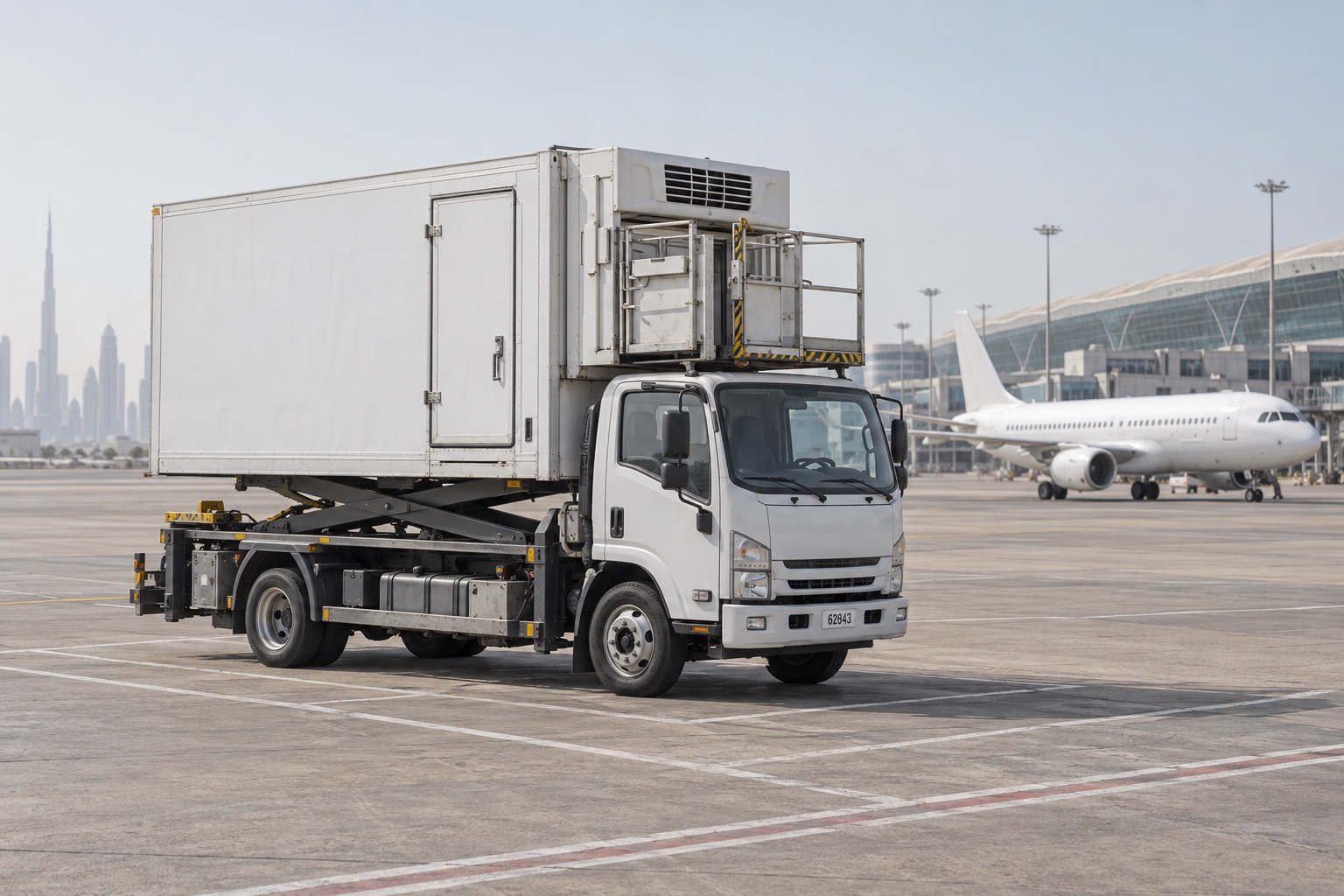
UAE · SMART S-4537
High-Lift Catering Operations in Dubai
Pilot on 20 high-lift catering trucks. Chassis and lift records help investigate servicing delays, while Complex Events warnings and temperature history support checks at aircraft stands.
Explore use case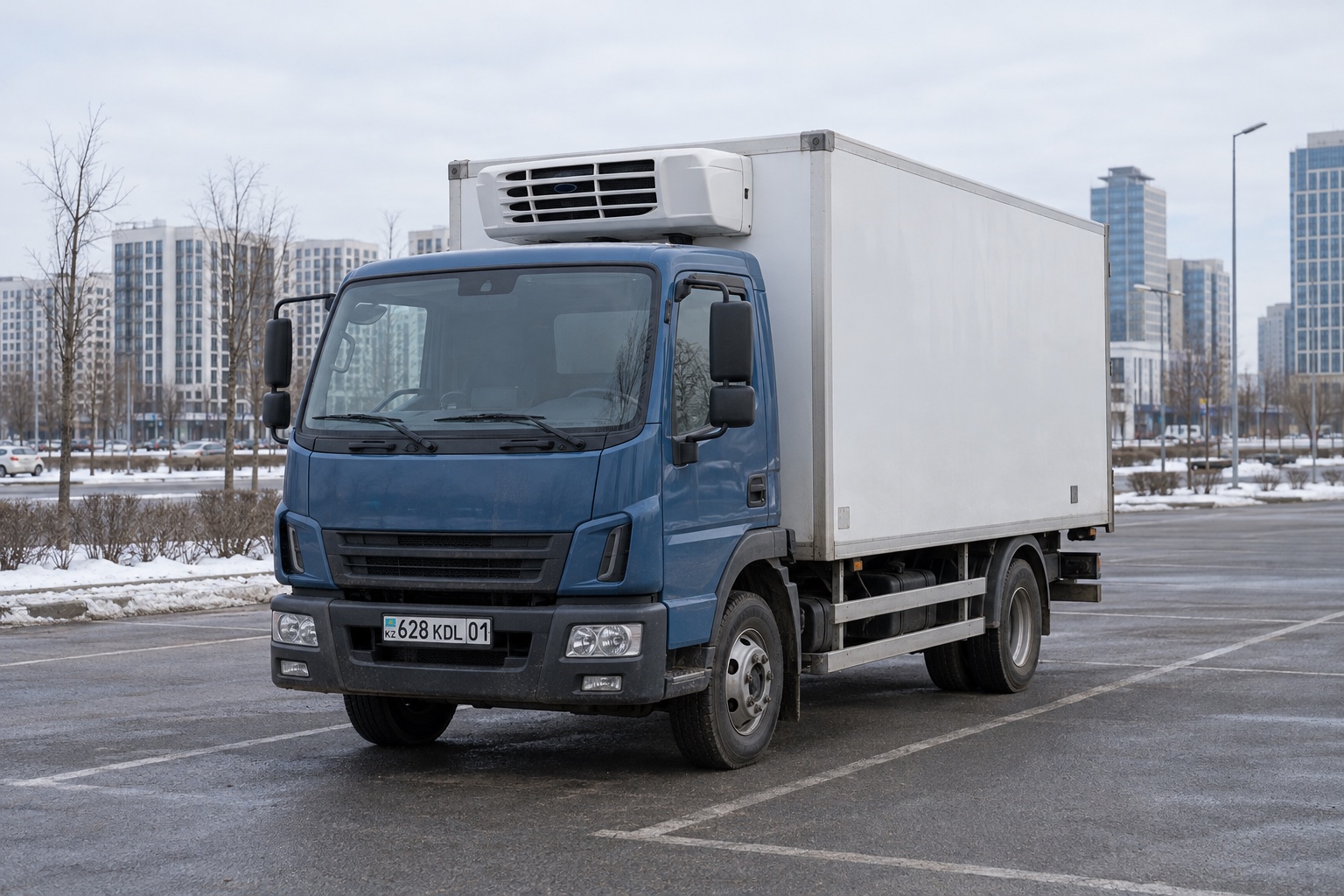
Kazakhstan · SMART S-2421
Frozen-Food Temperature Alerts in Astana
Two individual sensor readings trigger urgent SMS at −17°C, directing attention to developing temperature problems across 34 refrigerated vehicles.
Explore use case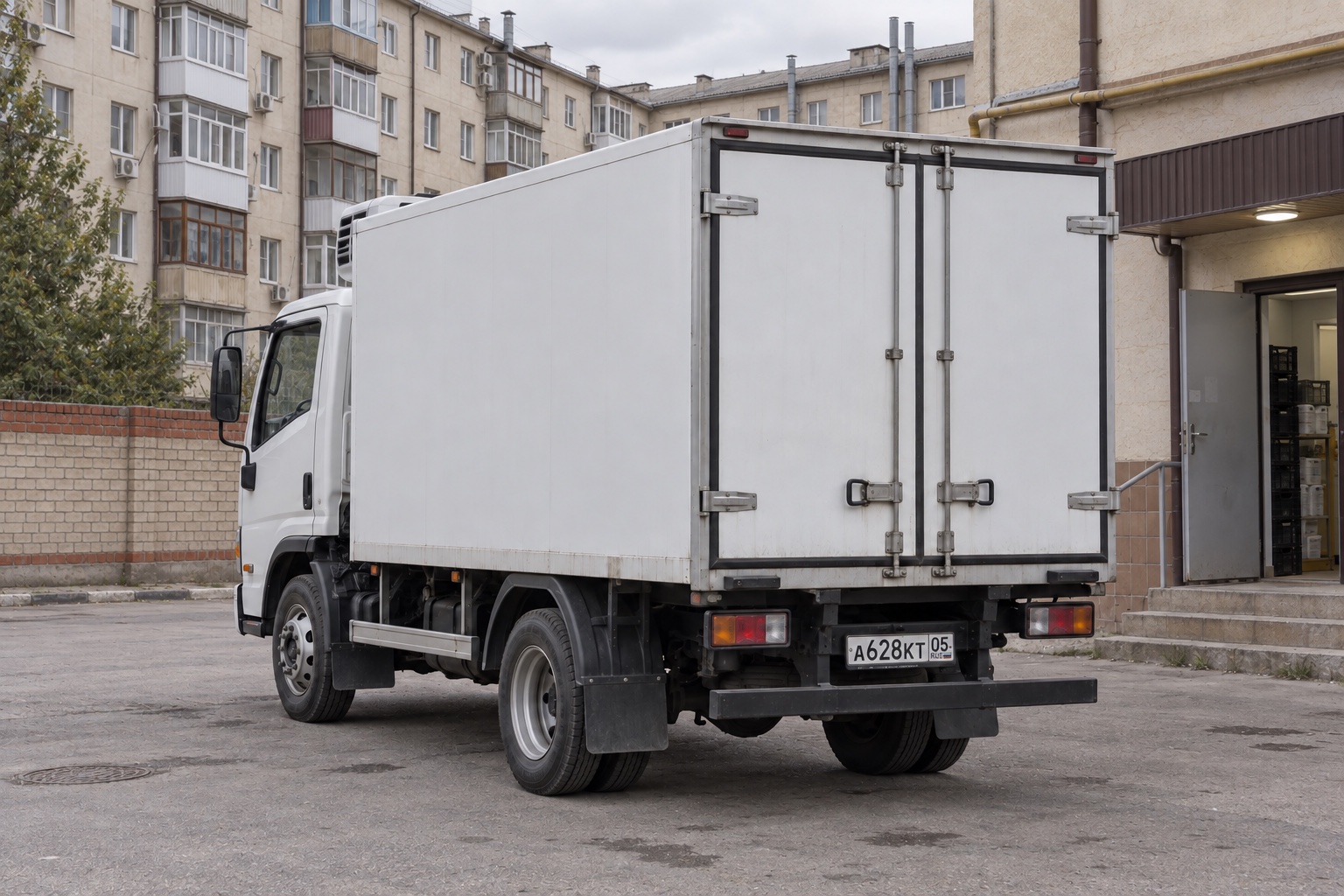
Russia · SMART S-2421
Dairy Temperature Alerts in Dagestan
Individual sensor readings trigger SMS warnings above 5°C and recovery messages across 12 refrigerated trucks, using standard device settings.
Explore use case