
INDIA · TOURIST TRANSFERS
Vehicle Readiness for Tourist Transfers in India
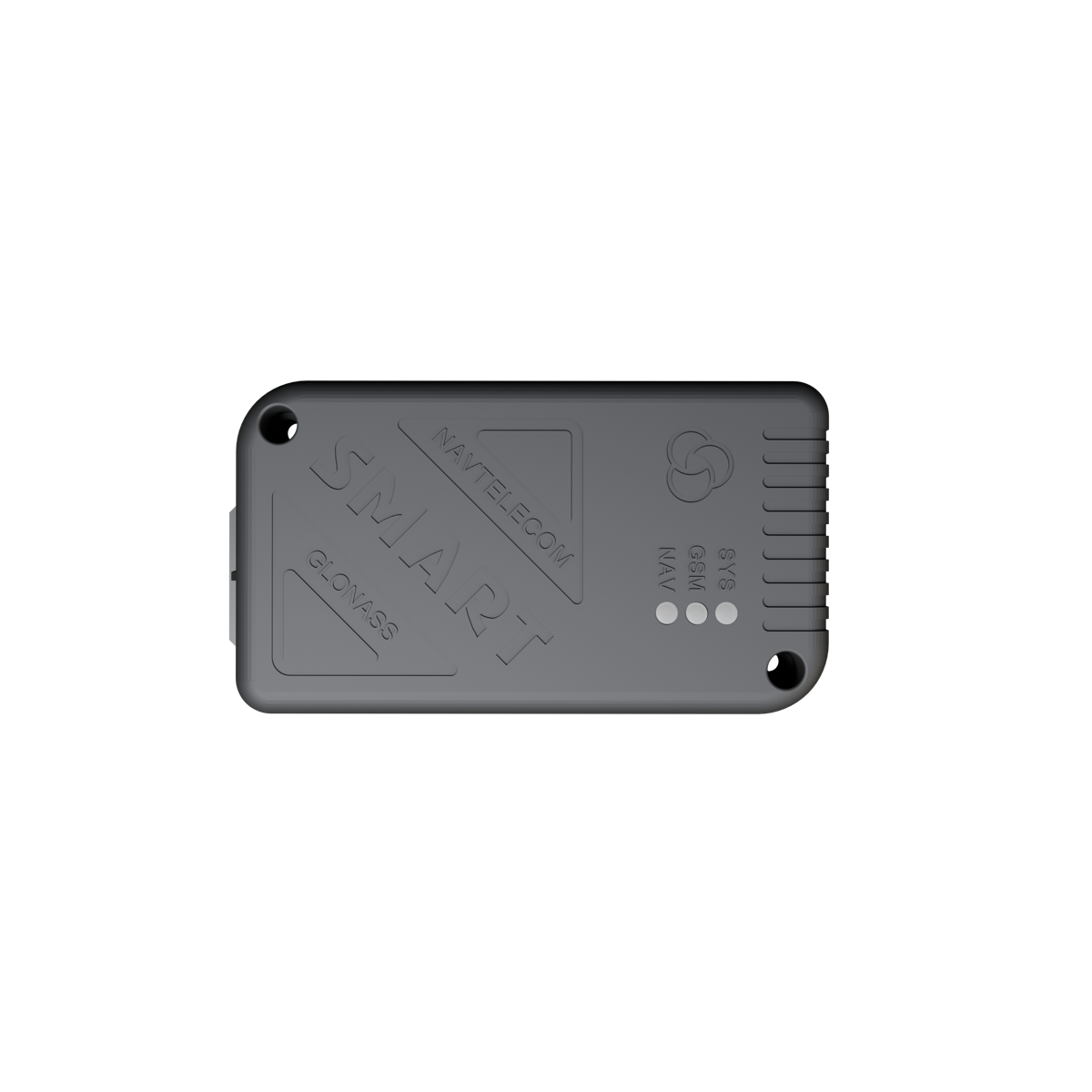
A tourist transfer operator serving Delhi, Jaipur and Agra used Navtelecom SMART S-2435 to check fuel and battery levels before passenger pickup, reducing avoidable refuelling and charging stops during journeys.
India · Delhi–Jaipur and Delhi–Agra routes
Solution device
SMART S-2435- Market
- IndiaDelhi–Jaipur · Delhi–Agra
- Vehicles
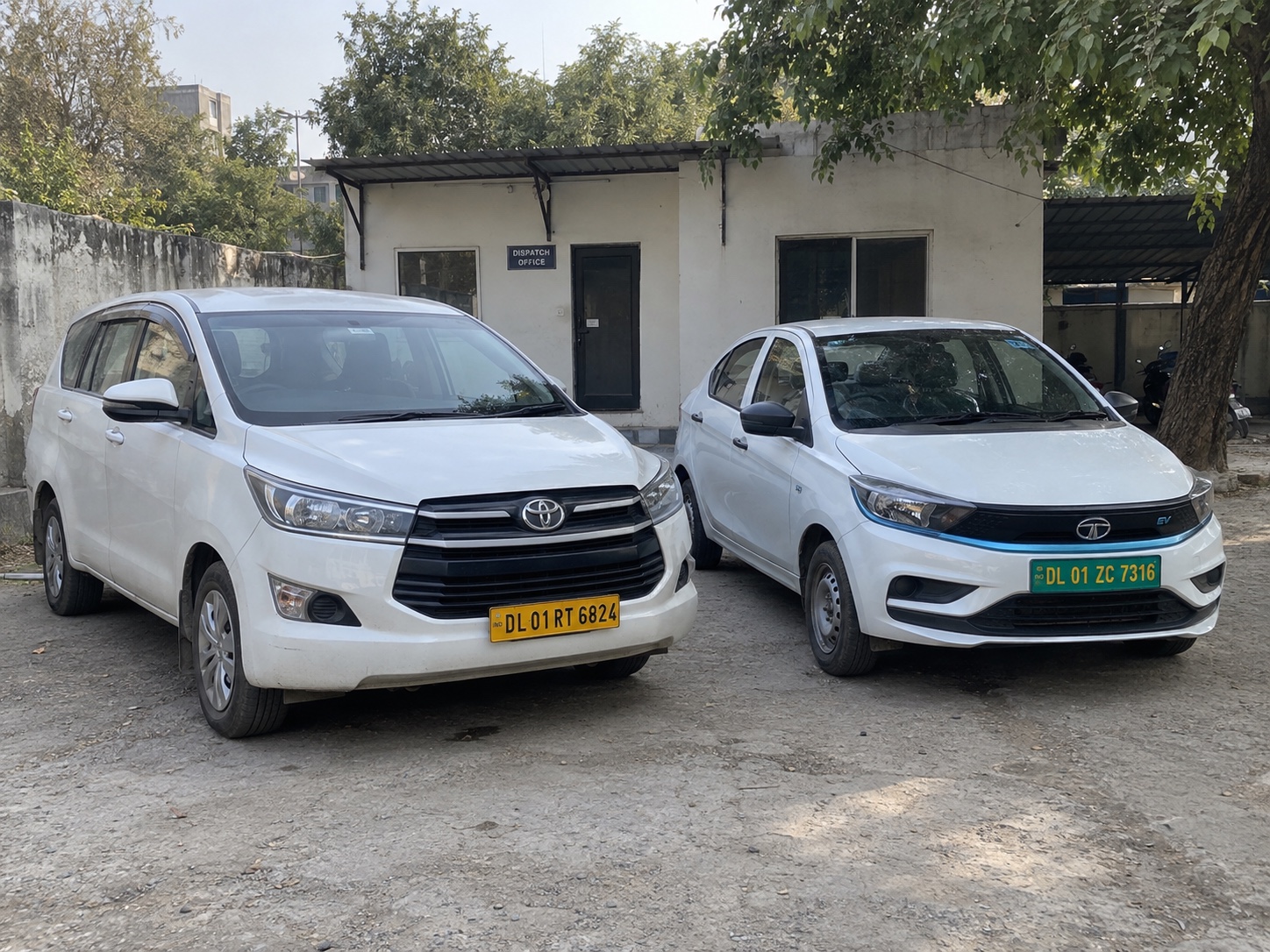
- 8 vehiclesToyota Innova Crysta · Tata XPRES-T EV
- Application
- Tourist transfers
THE CHALLENGE
Send each vehicle to pickup ready for the journey
Passengers experienced late pickups and journeys interrupted by refuelling or charging. Drivers were not consistently preparing their vehicles before collecting customers, leaving necessary stops until the transfer was already underway.
For tourists travelling between Delhi, Jaipur and Agra, these interruptions extended journey times and disrupted their plans. The dispatcher needed to know whether an assigned vehicle was sufficiently fuelled or charged before sending it to the customer.
The fleet included diesel-powered Toyota Innova Crysta vehicles and electric Tata XPRES-T EVs. Each required different preparation, but the service requirement was the same: arrive ready for the planned transfer.
THE SOLUTION
Prepare vehicles before dispatch
SMART S-2435 trackers collected diesel-level data from the Innova Crysta vehicles and battery-management data, including state of charge, from the Tata XPRES-T EVs. The connected monitoring platform displayed these readings against each vehicle’s registration number. Dispatchers could check readiness and organise refuelling or charging before passenger pickup.
Check readiness before dispatch
For an Innova Crysta, the dispatcher reviewed the reported diesel level to determine whether refuelling was needed before departure. For a Tata XPRES-T EV, battery state of charge helped the dispatcher assess charging needs against the planned journey. Route requirements and operating conditions remained part of that decision; battery percentage alone was not treated as a guaranteed remaining range.
Complete refuelling and charging before pickup
Vehicles requiring fuel or charging were prepared before being sent to the customer. The dispatcher could follow up using the latest available readings instead of leaving preparation entirely to the driver during the trip. Drivers then departed for pickup with their vehicles ready for the assignment. Where a longer journey still required an intermediate stop, the operator could account for it in advance.
Avoid unplanned fuel and charging stops
The change connected vehicle condition with the next booking. A low fuel level or insufficient charge became something to resolve before departure, rather than a problem discovered with passengers already on board. This reduced unnecessary detours and interruptions caused by incomplete preparation and made transfer planning more dependable.
CUSTOMER-REPORTED OUTCOMES
Fewer avoidable stops during transfers
The customer reported fewer avoidable fuel and charging stops and shorter journey times.
Dispatchers checked readiness before pickup and arranged preparation where needed. This moved refuelling and charging decisions ahead of passenger collection across the eight-car fleet.
WHY SMART S-2435
Prepare the car before the passenger arrives
S-2435 let dispatch check whether a car had enough fuel or battery charge before assigning it to a pickup. Preparation could be arranged while the car was still available, rather than becoming an avoidable stop with tourists on board.
This gave the operator one practical readiness check across diesel and electric cars, supporting the service passengers expected: a vehicle prepared for the booked journey.
SMART S-2435
YOUR PROJECT
Tell us about the work you need to measure
Share the vehicles, routes, sensors and decisions you want this data to support.
More in this application
India · SIGNAL S-4753
Sightseeing Boat Oversight in Mumbai
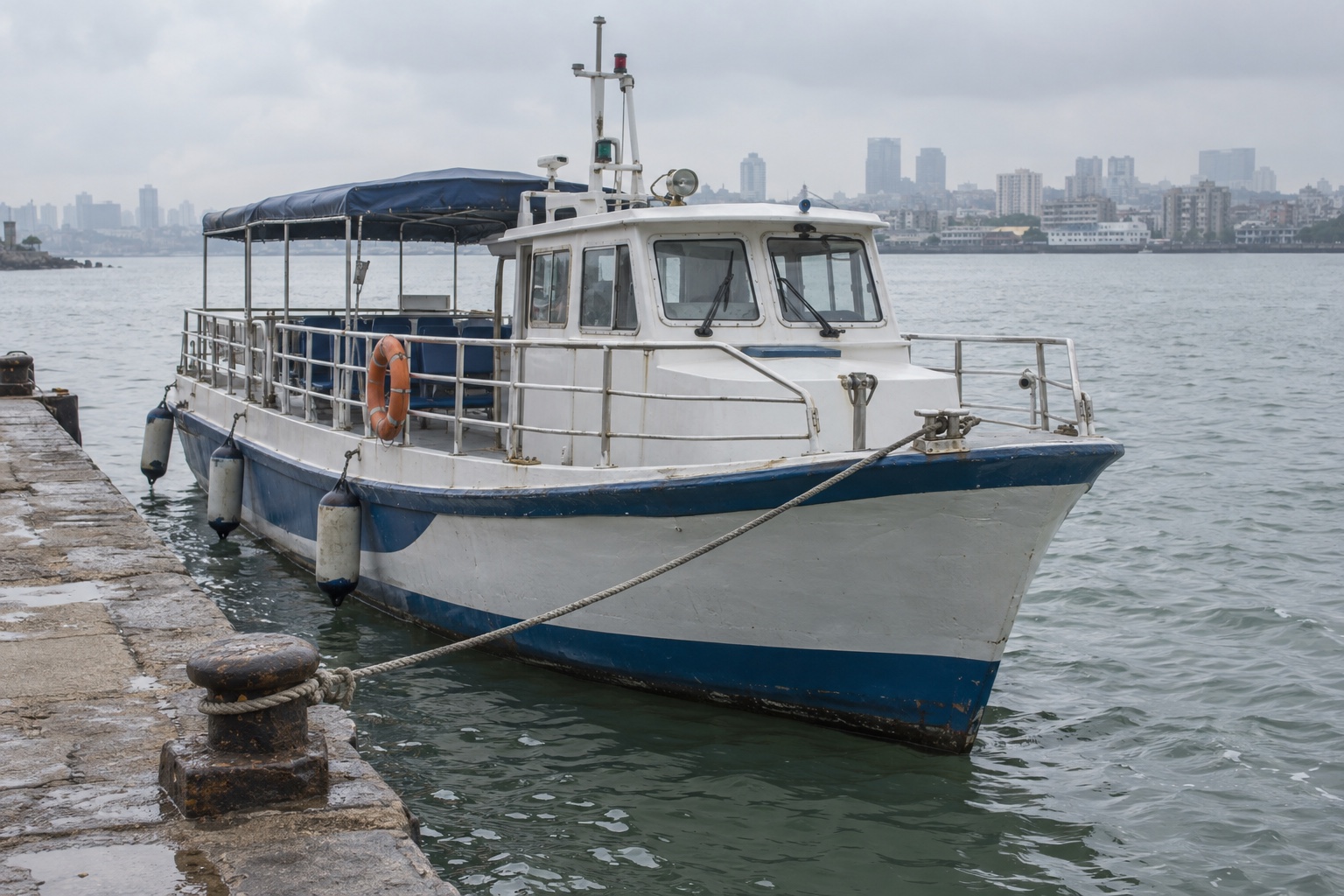
Journey and engine RPM records support excursion reviews, while a crew button sends assistance requests with the boat’s reported location.
Explore use case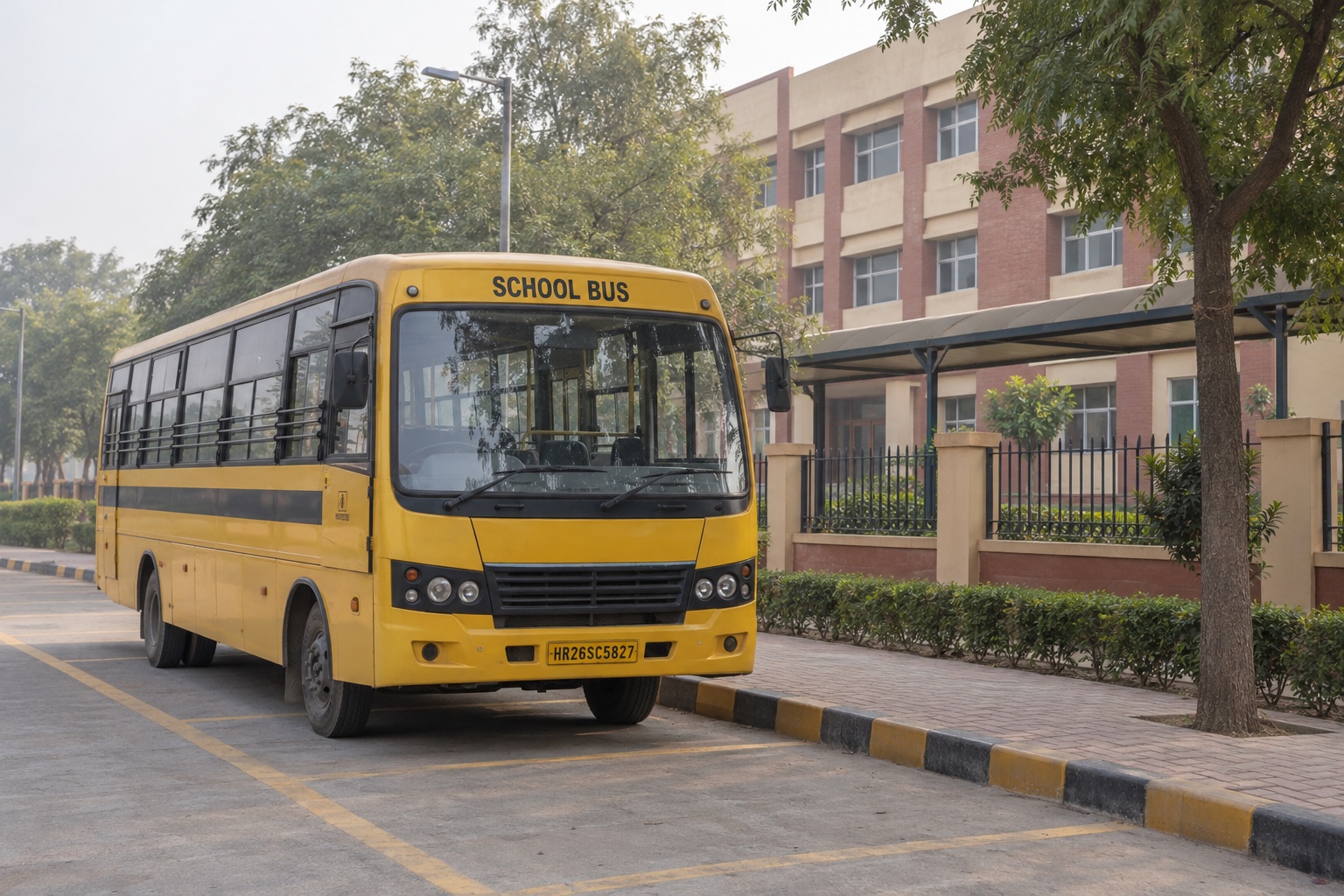
India · SMART S-4511
School Bus Updates in Gurugram
RFID card events and bus tracking give parents boarding and exit records, journey updates and arrival estimates across 20 school buses.
Explore use case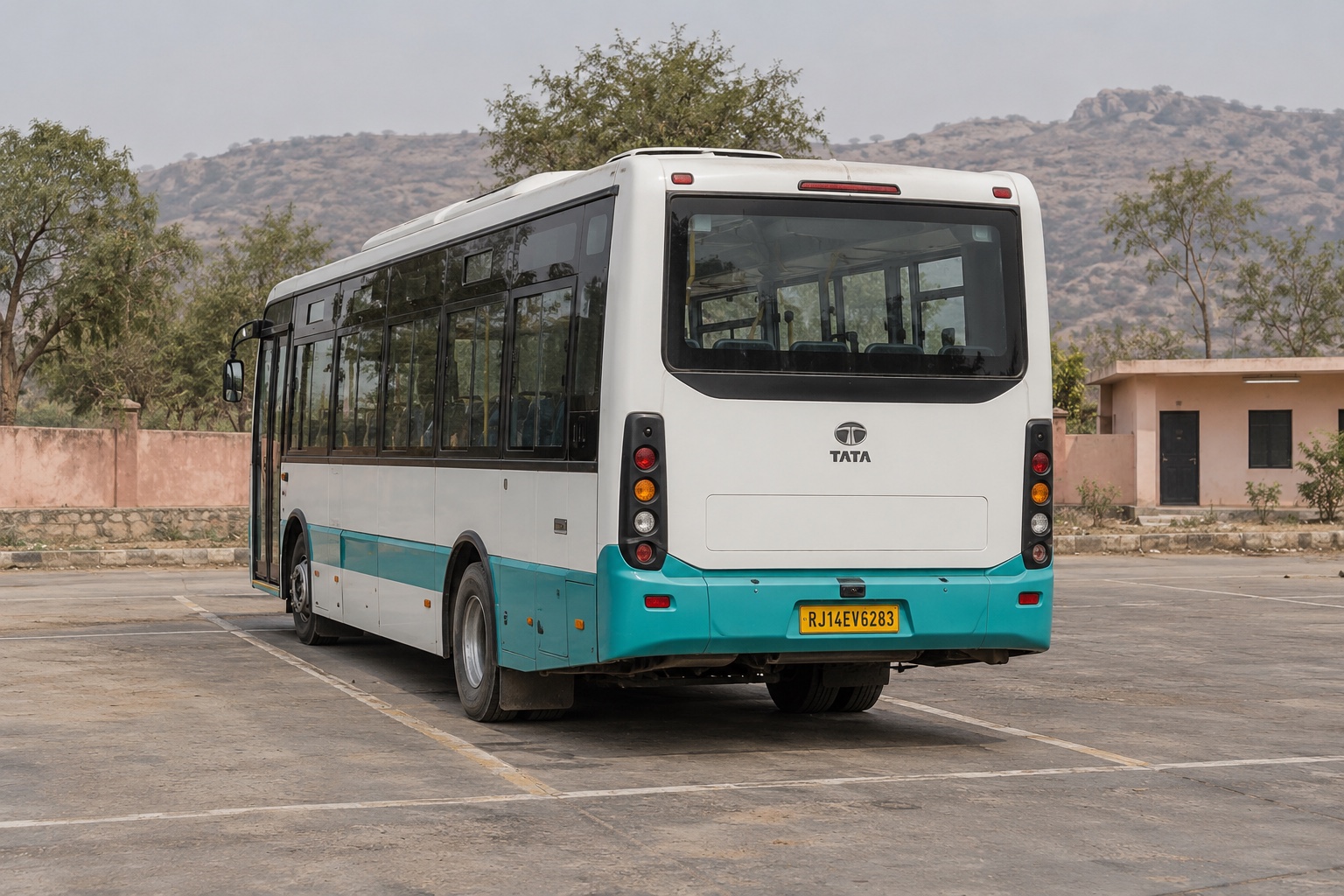
India · SMART S-2435
Electric Bus Readiness Between Delhi and Jaipur
Battery and charging records help prepare 17 electric buses across four stations, while journey and driver-card records support trip and shift reviews.
Explore use case