
UGANDA · TELECOMMUNICATIONS
Backup Power and Fuel at Uganda’s Telecom Sites
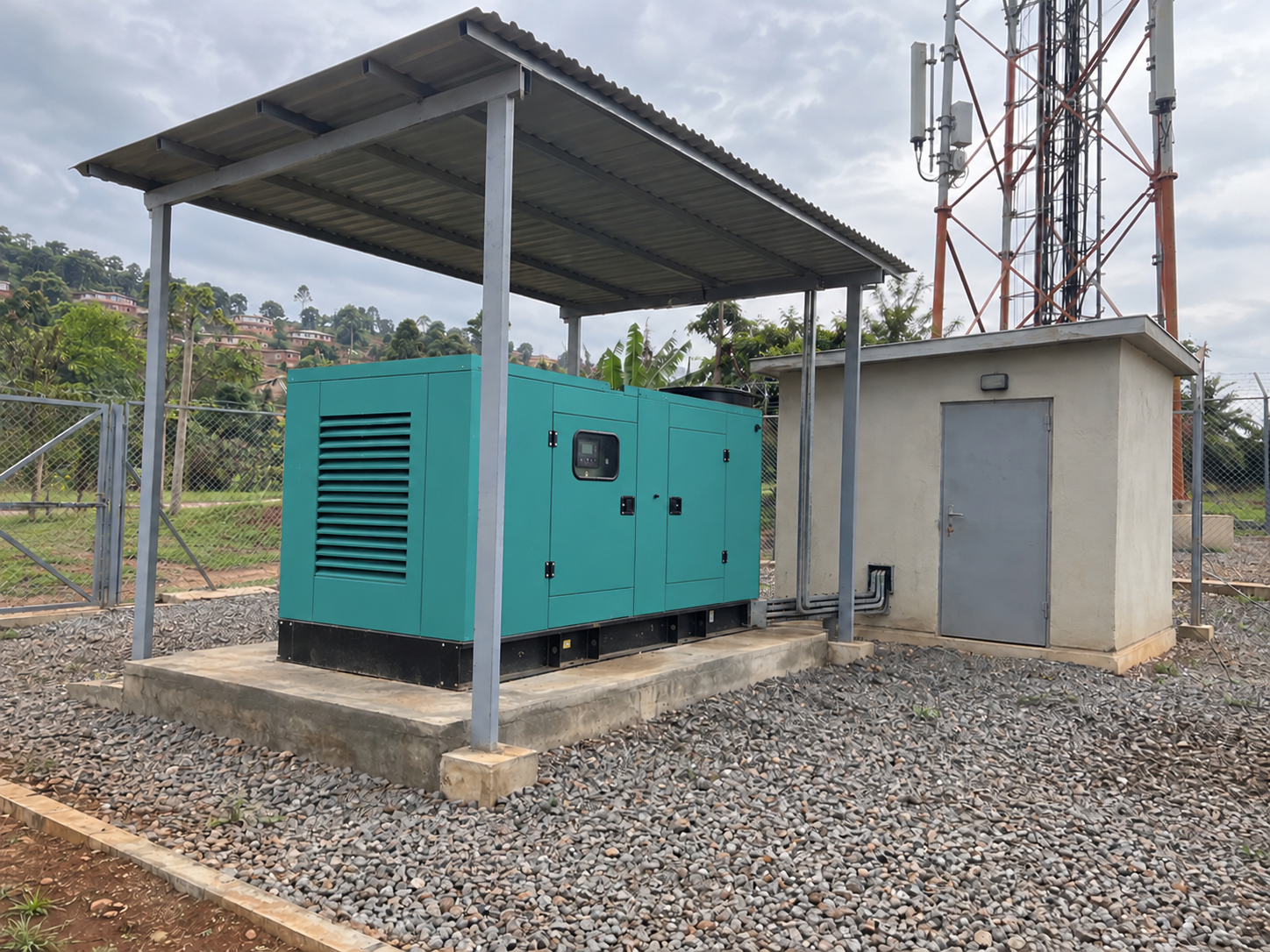
A telecom-site operator connected generator readings, fuel level, enclosure temperature and site-status signals to assess backup power and prepare maintenance before a visit.
Kampala, Uganda · Telecom backup power
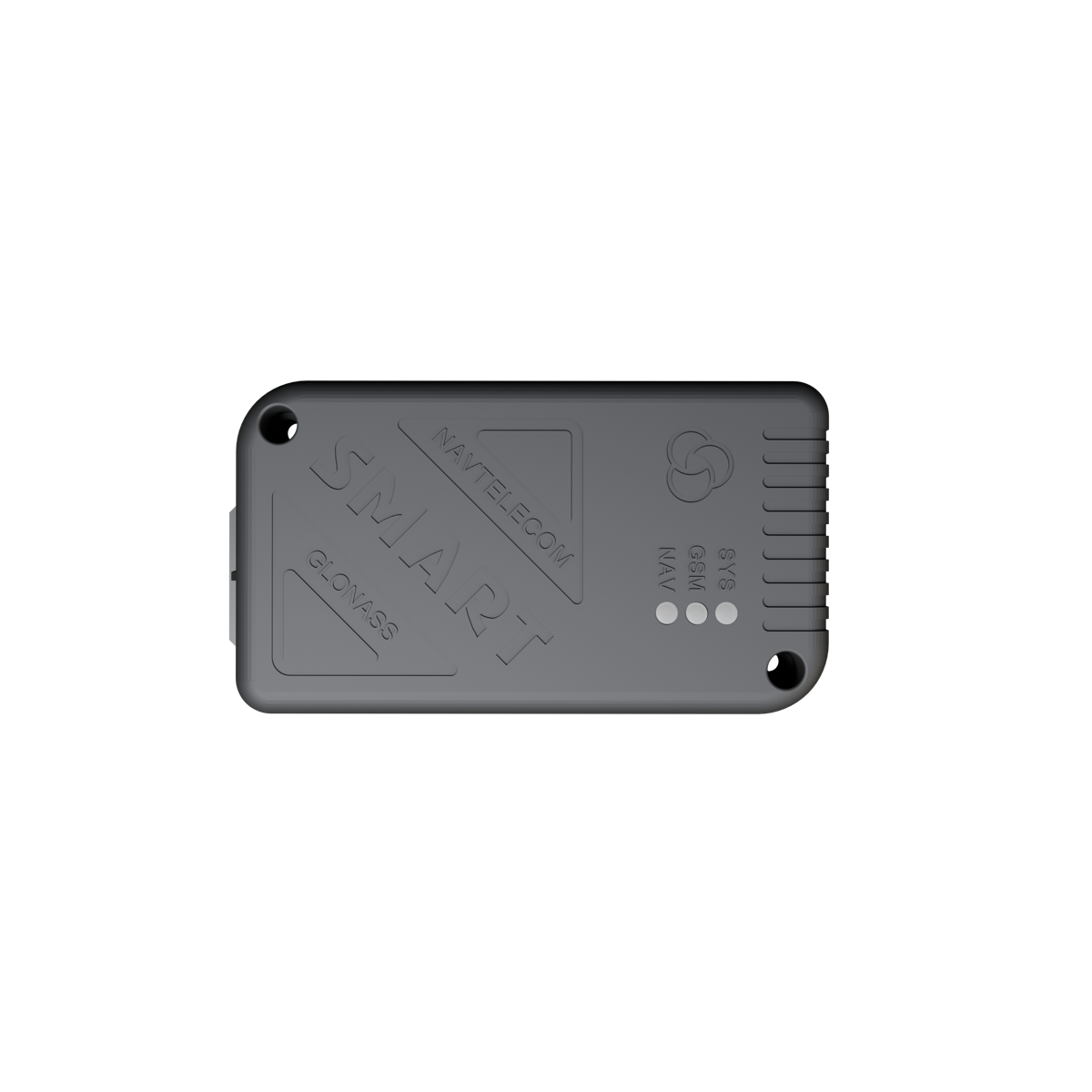
Solution device
SMART S-2433- Market
- UgandaKampala
- Equipment
- 10 diesel generators
- Application
- Telecommunications
THE CHALLENGE
Know which site needs fuel, equipment checks or maintenance
Unreliable grid power made telecom sites dependent on diesel generators. The control room needed to know whether backup power had started, how much fuel remained and which sites required attention.
Without these records, technicians had to visit sites to check local displays and establish what was wrong before they could address the problem.
THE SOLUTION
Link generator, fuel and site-status records
The installation covered 10 diesel generators at telecom sites. SMART S-2433 brought generator readings, fuel level and site-status signals into one monitoring platform.
Link generator readings and site signals
A wired fuel-level sensor monitored the tank through RS-485. The generator controller supplied available runtime, electrical-load and alarm data through RS-232 using Modbus. A Bluetooth sensor measured temperature inside the generator enclosure. Separate inputs recorded grid availability, automatic transfer switch (ATS) status and generator-room door openings.
Check the response to a grid outage
The control room could review the sequence from grid failure to generator operation and transfer to generator supply. Available electrical-load readings helped check whether the generator was supplying the site. If the sequence did not occur as expected, staff could identify the stage requiring investigation and direct the technician toward the generator or transfer equipment.
Plan refuelling and investigate fuel changes
Tank-level readings helped staff identify sites needing refuelling and prioritise deliveries. Fuel changes could also be compared with generator runtime and door activity. An unexpected drop while the generator was stopped gave staff a specific event to investigate. The level sensor supported fuel checks; it did not replace a flow meter or prove theft.
Prepare the maintenance response
Controller alarms and enclosure-temperature readings gave technicians context before a visit. Staff could distinguish a low-fuel issue from a reported equipment alarm or rising enclosure temperature and prepare the appropriate checks. Door records showed when the generator room had been accessed, supporting review of maintenance visits and unexpected openings.
RESULTS
Assess the site before sending a technician
The control room could prioritise refuelling or maintenance after reviewing the site’s fuel level, generator reports and power-transfer sequence.
Technicians could receive recorded symptoms before travelling. Staff could also examine access events alongside an interruption when investigating what happened.
WHY SMART S-2433
Give the technician a reason for the visit
S-2433 let the control room examine a remote tower’s condition before sending somebody to read the local display. Staff could decide whether the immediate need was a fuel delivery, a generator check or investigation of the power-transfer sequence.
That made a maintenance visit better informed: the technician could receive the location and recorded symptoms in advance, while staff prioritised sites showing a problem.
SMART S-2433
YOUR PROJECT
Tell us about the work you need to measure
Share the vehicles, routes, sensors and decisions you want this data to support.
More in this application
India · SMART S-2433
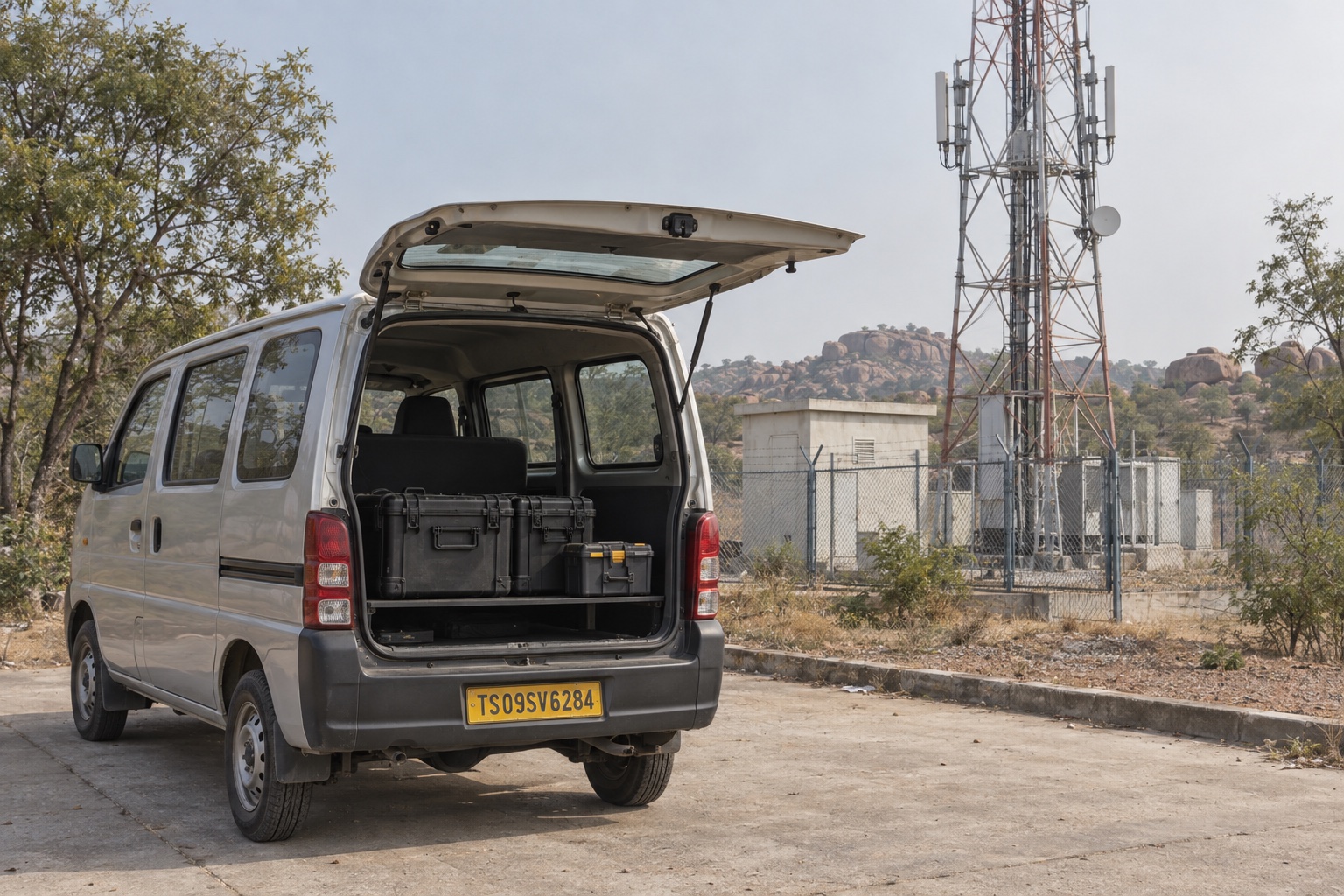
Tool-Check Warnings in Hyderabad
Six service vans. BLE equipment tags and adapted Complex Events logic prompt in-cab checks, while technician and service-visit records provide a starting point for recovery.
Explore use case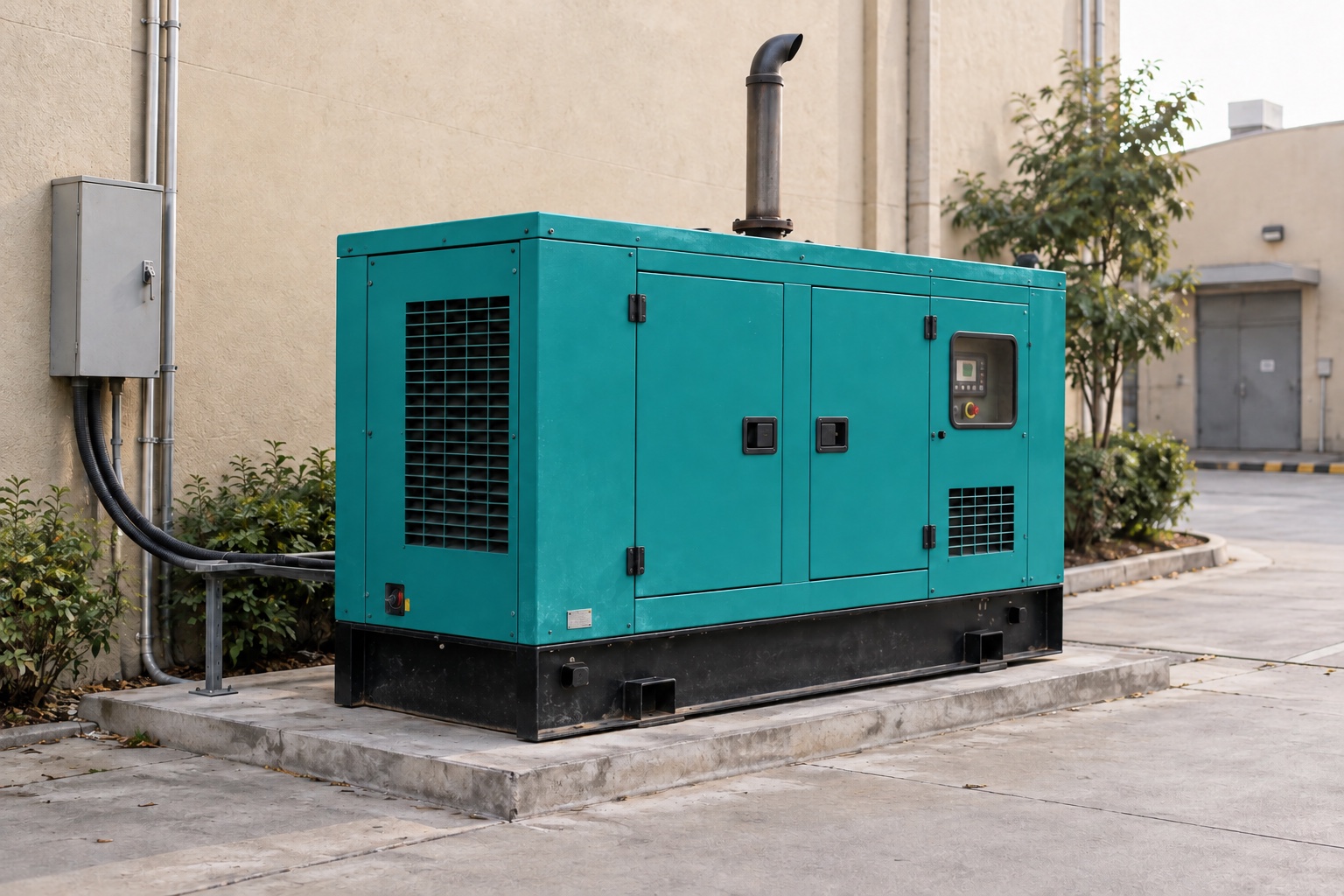
India · START S-2011
Paid Generator Rental Periods in Gurugram
Online rental extensions trigger remote restriction or release, while voltage-based operating-hour records support usage reviews across 28 generators.
Explore use case
Belarus · SMART S-4511
Timber-Truck Access and Operations in Minsk
Pilot on 10 timber trucks in Minsk, Belarus. Driver authorisation controls starting, equipment-position signals trigger a separate warning, and fuel records support investigation of specific parked events.
Explore use case