
KENYA · CONSUMER-GOODS DISTRIBUTION
Controlling Fuel and After-Hours Vehicle Use in Kenya
A consumer-goods distributor combined vehicle tracking, fuel monitoring and remote immobilization to investigate unusual fuel events and restrict unauthorized use of parked delivery vans.
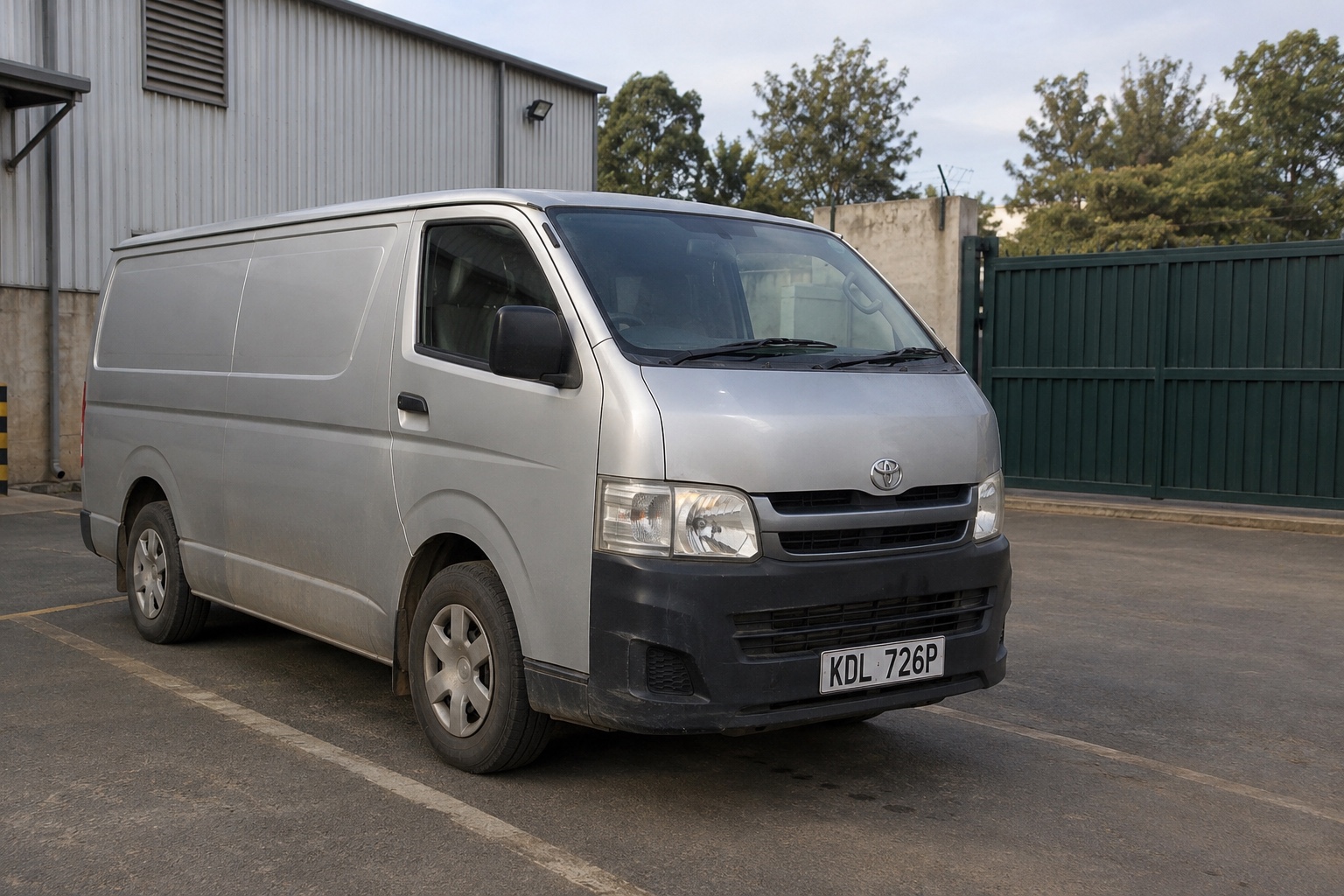
Kenya · Consumer-goods delivery vans

Solution device
START S-2011- Market
- Kenya
- Vehicles
- 12 delivery vans
- Application
- Consumer-goods distribution
THE CHALLENGE
Connect fuel changes with deliveries and control after-hours access
The company operated vans between its warehouse, retail outlets and regional distributors. The owner needed to understand how fuel was being used during deliveries and prevent vehicles from being taken out without authorization after working hours.
Location records alone could not explain changes in fuel level. The fleet team needed to connect refuelling and unexpected fuel losses with specific places, stops and journeys.
After each shift, the company also wanted a practical way to keep parked vans unavailable until they were approved for their next assignment.
THE SOLUTION
Review fuel and control parked-van access
The company’s 12 delivery vans were equipped with START S-2011 trackers, Bluetooth fuel-level sensors and immobilization relays.
Investigating fuel changes in context
Fuel readings were displayed alongside vehicle location and trip history in the monitoring platform. Fleet staff could review where refuelling occurred and investigate unexpected drops during stops or outside normal delivery activity. A suspicious drop could be checked against the vehicle’s location, recent journey and refuelling records before contacting the driver. This helped the team identify events requiring investigation without treating every fluctuation as proof of fuel theft. Fuel-level records also supported estimates of consumption over trips or reporting periods, accounting for recorded refuelling.
Restricting unauthorized use after work
Once a van was parked at the depot after its shift, the operator could activate the connected immobilizer to prevent unauthorized use. Before the next approved delivery, the operator could enable the vehicle again. This introduced a controlled release process for parked vans, with immobilization applied while the vehicle was stationary.
Reviewing vehicle movement
Location and trip history allowed dispatchers to follow deliveries and review journeys outside expected working hours. These records provided context for checking whether vehicle movements matched assigned work and for following up on unexplained trips.
PROJECT OUTCOMES
Check fuel losses and authorise vehicle use
Staff could discuss a particular fuel discrepancy using the van’s stop and journey record.
At the end of the day, the operator could restrict use of a parked van and release it for the next approved assignment across the 12-van fleet.
WHY START S-2011
Review fuel and control after-hours access
S-2011 gave the distributor two practical ways to protect its vehicles: investigate an unusual fuel event during the day and withhold permission to use a parked van after work.
The owner could act on the next assignment remotely and review a particular fuel discrepancy with its trip context. Control no longer depended solely on fuel receipts or a verbal instruction not to take the van.
START S-2011
YOUR PROJECT
Tell us about the work you need to measure
Share the vehicles, routes, sensors and decisions you want this data to support.
More in this application
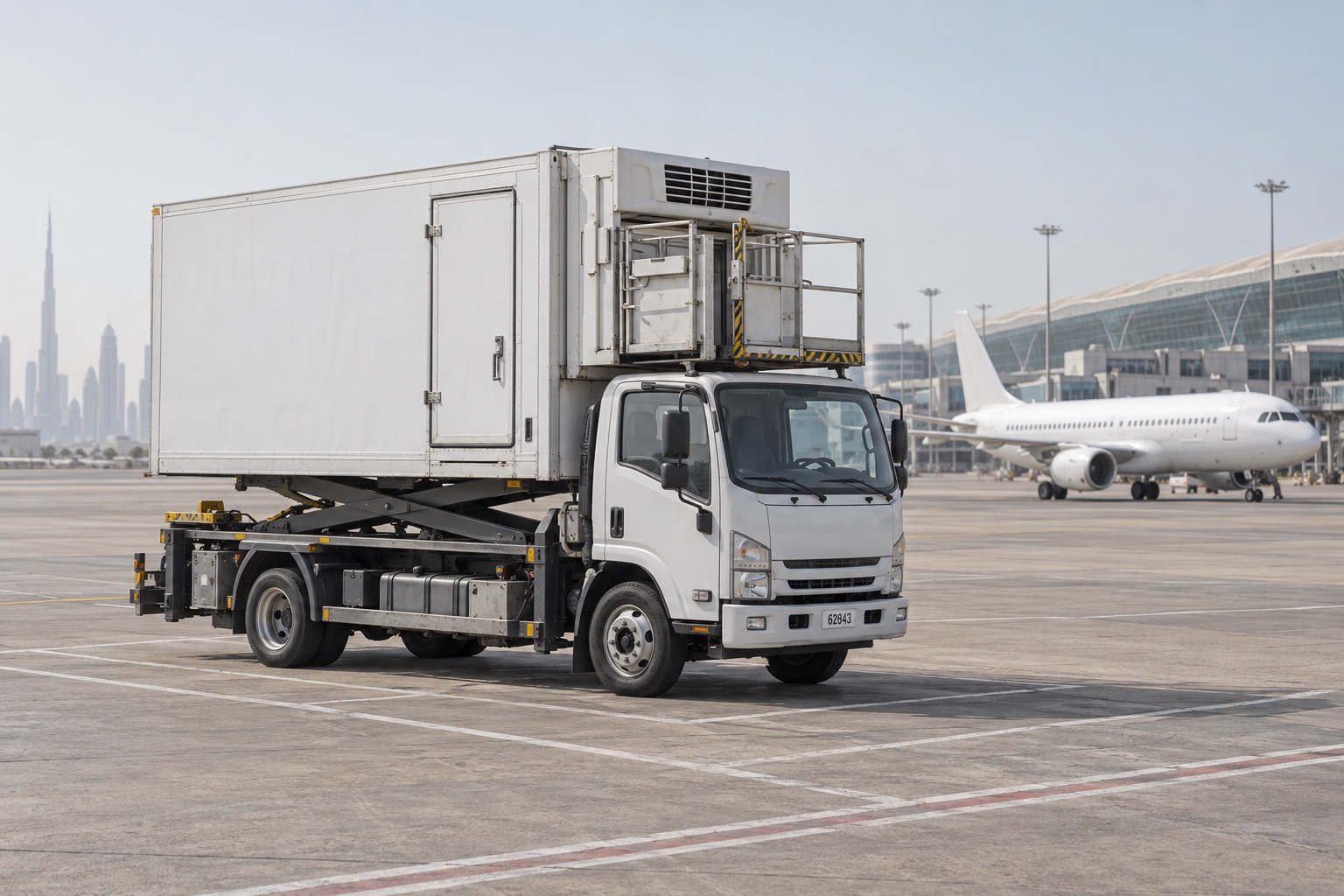
UAE · SMART S-4537
High-Lift Catering Operations in Dubai
Pilot on 20 high-lift catering trucks. Chassis and lift records help investigate servicing delays, while Complex Events warnings and temperature history support checks at aircraft stands.
Explore use case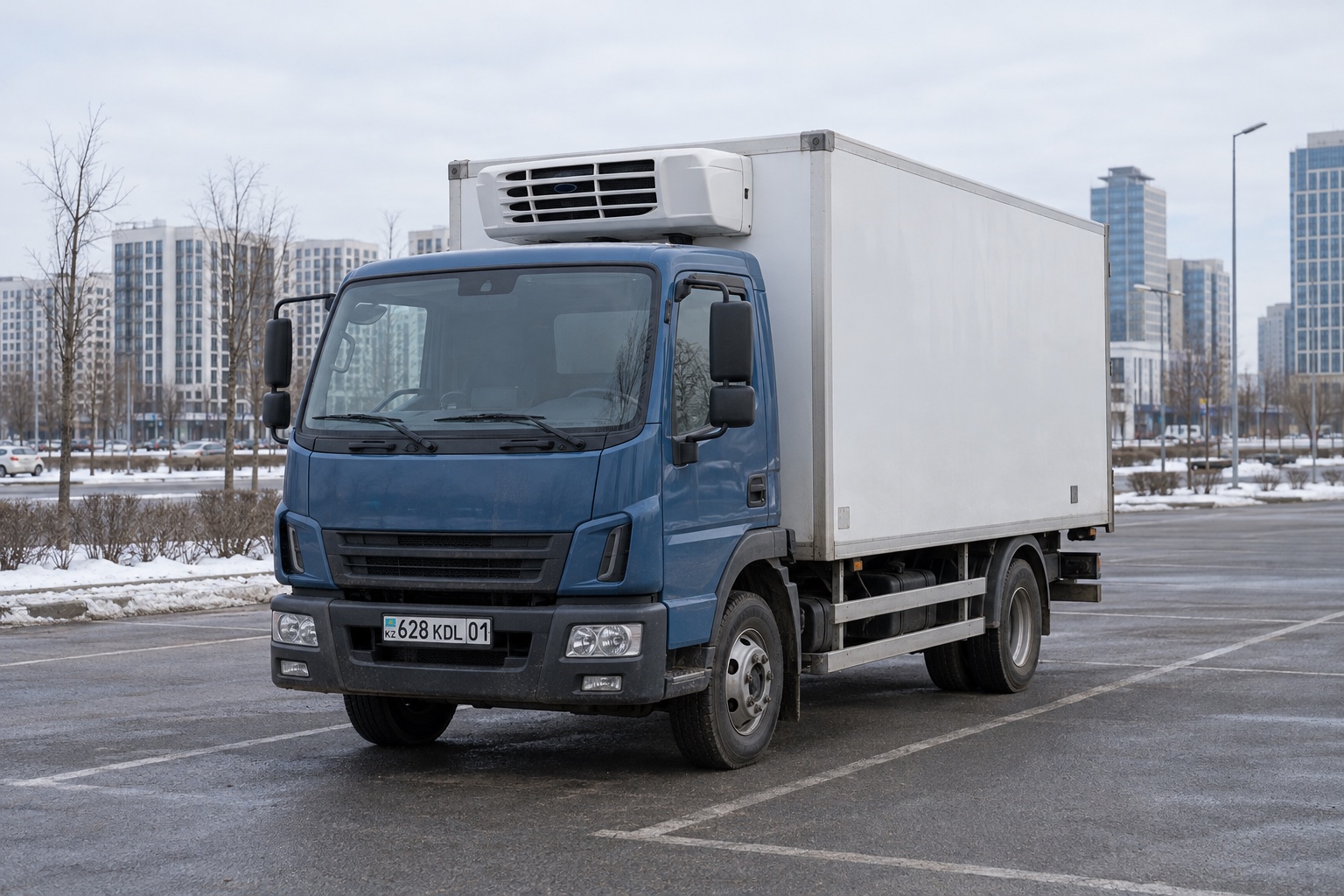
Kazakhstan · SMART S-2421
Frozen-Food Temperature Alerts in Astana
Two individual sensor readings trigger urgent SMS at −17°C, directing attention to developing temperature problems across 34 refrigerated vehicles.
Explore use case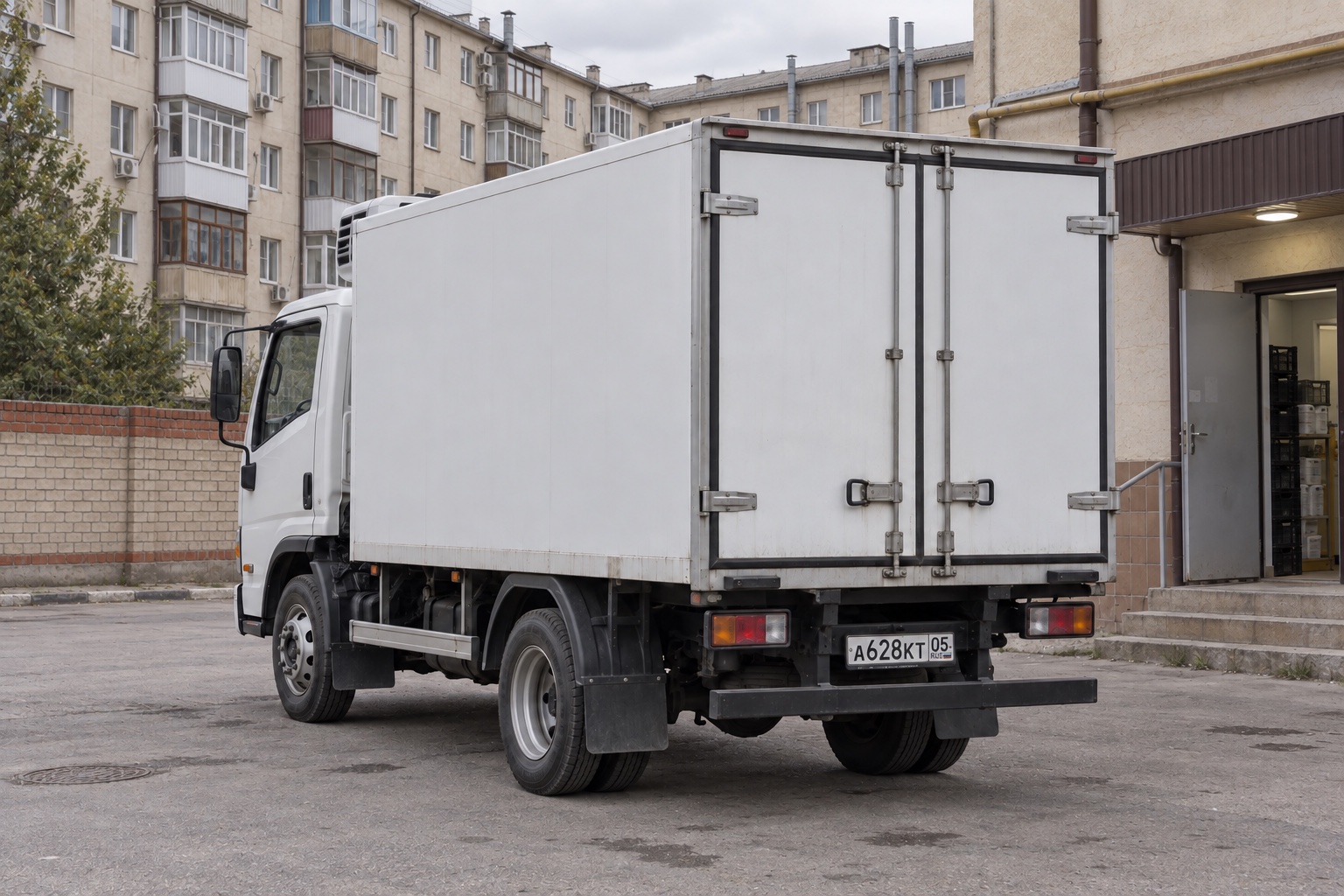
Russia · SMART S-2421
Dairy Temperature Alerts in Dagestan
Individual sensor readings trigger SMS warnings above 5°C and recovery messages across 12 refrigerated trucks, using standard device settings.
Explore use case