
BELARUS · BICYCLE RENTAL
Locating rental bicycles and checking returns in Minsk
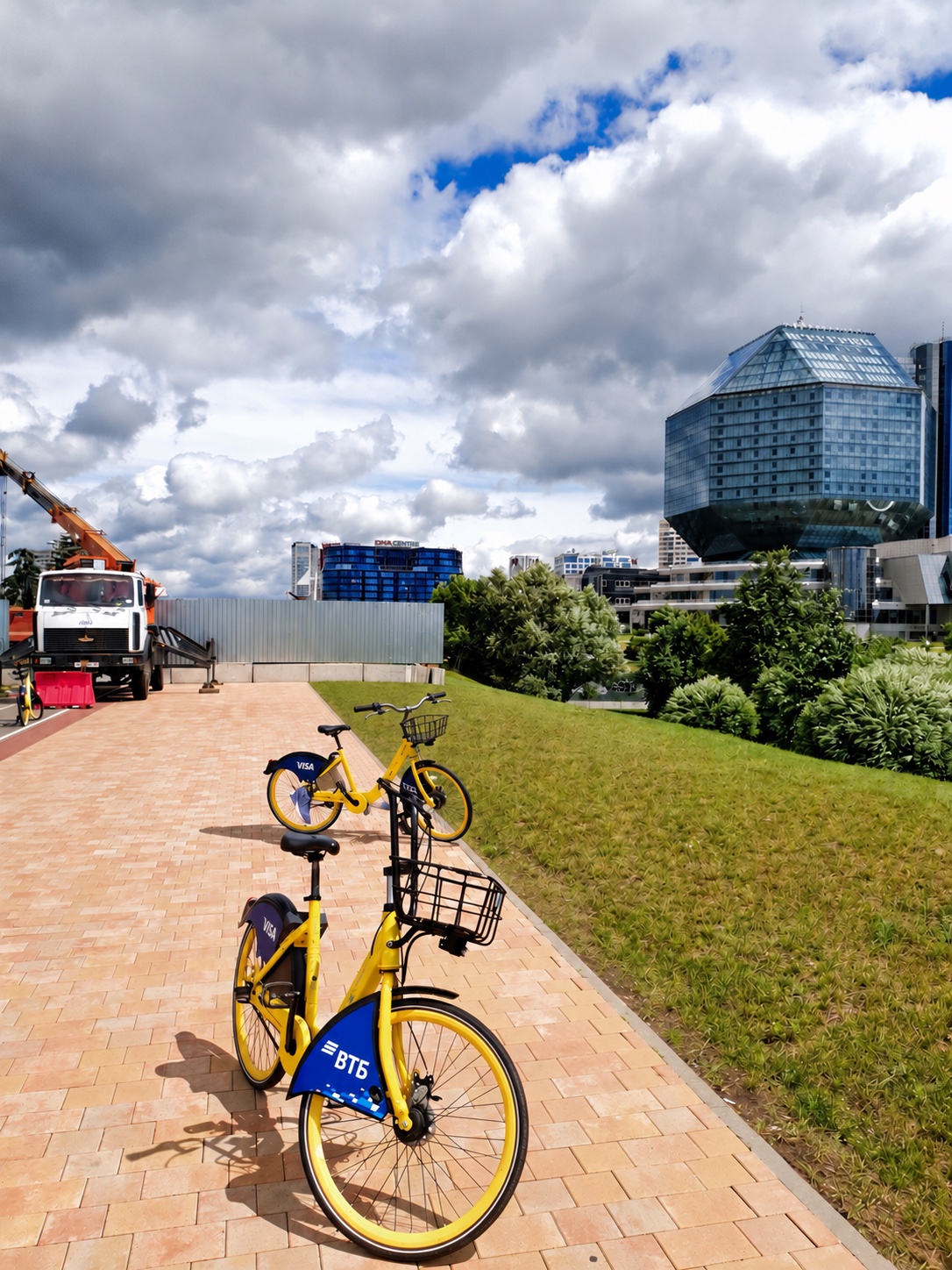
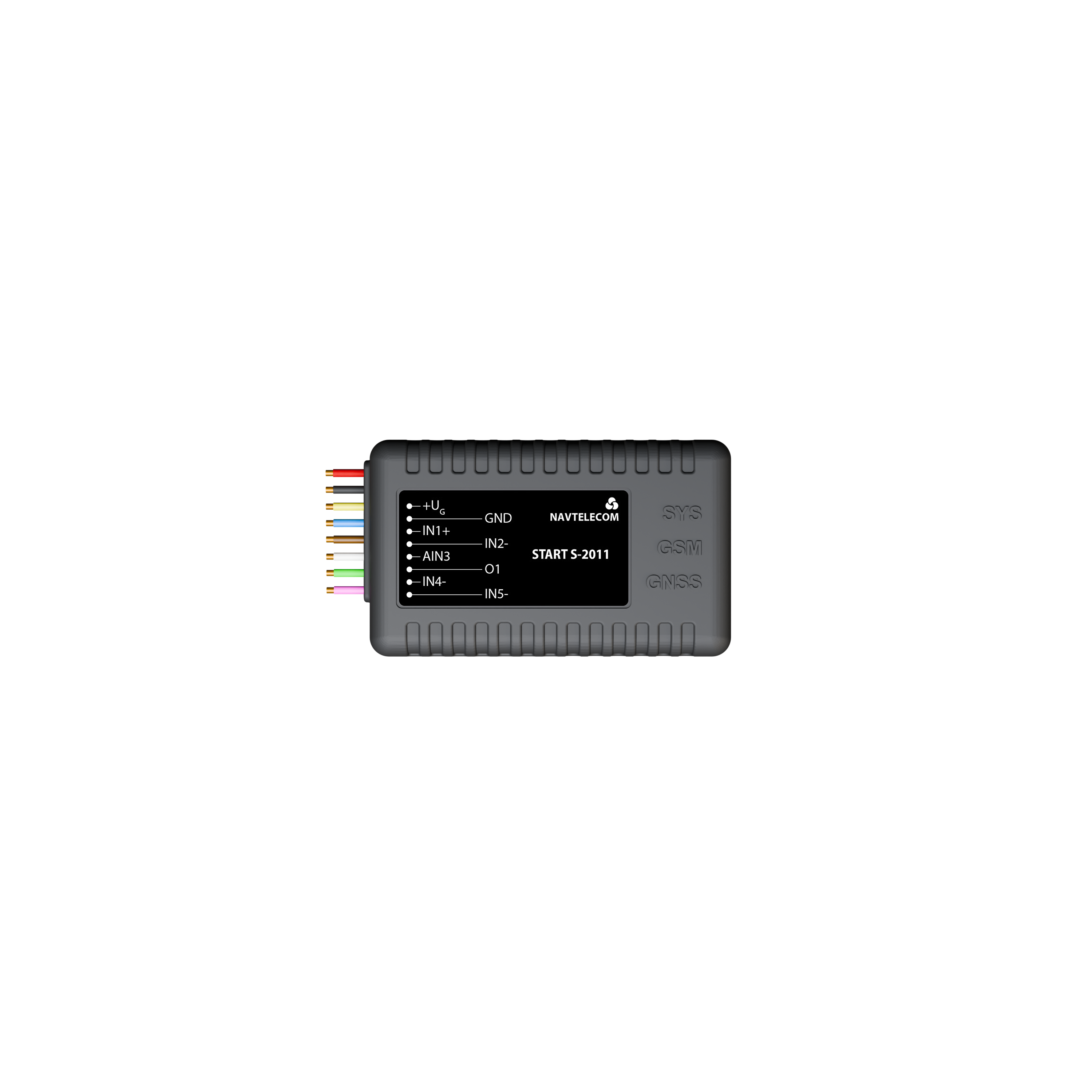
A bicycle rental operator equipped 100 bicycles with Navtelecom START S-2011 trackers to locate its fleet and check whether bicycles had been returned to designated parking areas.
Minsk, Belarus · 100-bicycle fleet
Solution device
START S-2011- Market
- BelarusMinsk
- Vehicles
- 100 bicyclesDesignated return areas
- Application
- Bicycle rental
THE CHALLENGE
Locate bicycles during rentals and after parking
The operator needed to know where its bicycles were during rentals and where customers left them afterwards. Designated parking areas provided approved return locations, but a bicycle left elsewhere could be difficult for staff to find and return to service.
Tracking also required a practical power arrangement. The bicycles needed to report their movements during use and remain locatable after a rider parked them.
THE SOLUTION
Link returns, bicycle power and reporting
START S-2011 trackers supplied location updates to the monitoring system. The installation combined a bicycle-powered charging arrangement with different reporting modes for riding and parking.
Check where bicycles are returned
The monitoring system used designated parking zones to help staff compare a bicycle’s reported position with approved return locations. When a bicycle was left outside those areas, the operator could use its location record to organise collection. This gave staff a specific place to investigate instead of searching without a recent position. Location supported the return check; it did not by itself confirm that the bicycle was correctly secured or that the rental had been closed.
Power tracking from bicycle use
Pedalling generated energy that charged a battery installed inside the bicycle frame. That battery supplied power to the S-2011 tracker. This arrangement connected the tracking system’s power supply to normal bicycle use. Stored energy supported operation after the rider stopped, while power-saving settings reduced demand during parking.
Adjust reporting for riding and parking
During movement, the tracker sent frequent location updates so the operator could follow the bicycle’s journey. After the bicycle stopped being used, the tracker switched to a power-saving mode and transmitted less frequently. These periodic reports helped keep parked bicycles locatable while conserving the stored energy. The monitoring record included the latest reported position and its timestamp, allowing staff to distinguish a recent update from an older location.
CUSTOMER-REPORTED OUTCOMES
Use reported locations for collection
Staff could check which of the 100 bicycles were reported outside designated return areas and arrange collection.
The location record gave the collection team a starting point, with more frequent updates during rides and less frequent reports while parked.
WHY START S-2011
Locate bicycles returned outside rental areas
S-2011 gave staff a last reported position to use when a bicycle was left outside a return area. They could arrange collection from that position instead of searching without a starting point.
Less frequent reporting while parked reduced power demand, while more frequent updates supported tracking during a ride. This matched a fleet that needed to remain findable between rentals using its bicycle-powered battery arrangement.
START S-2011
YOUR PROJECT
Tell us about the work you need to measure
Share the vehicles, routes, sensors and decisions you want this data to support.
More in this application
Oman · SIGNAL S-4753
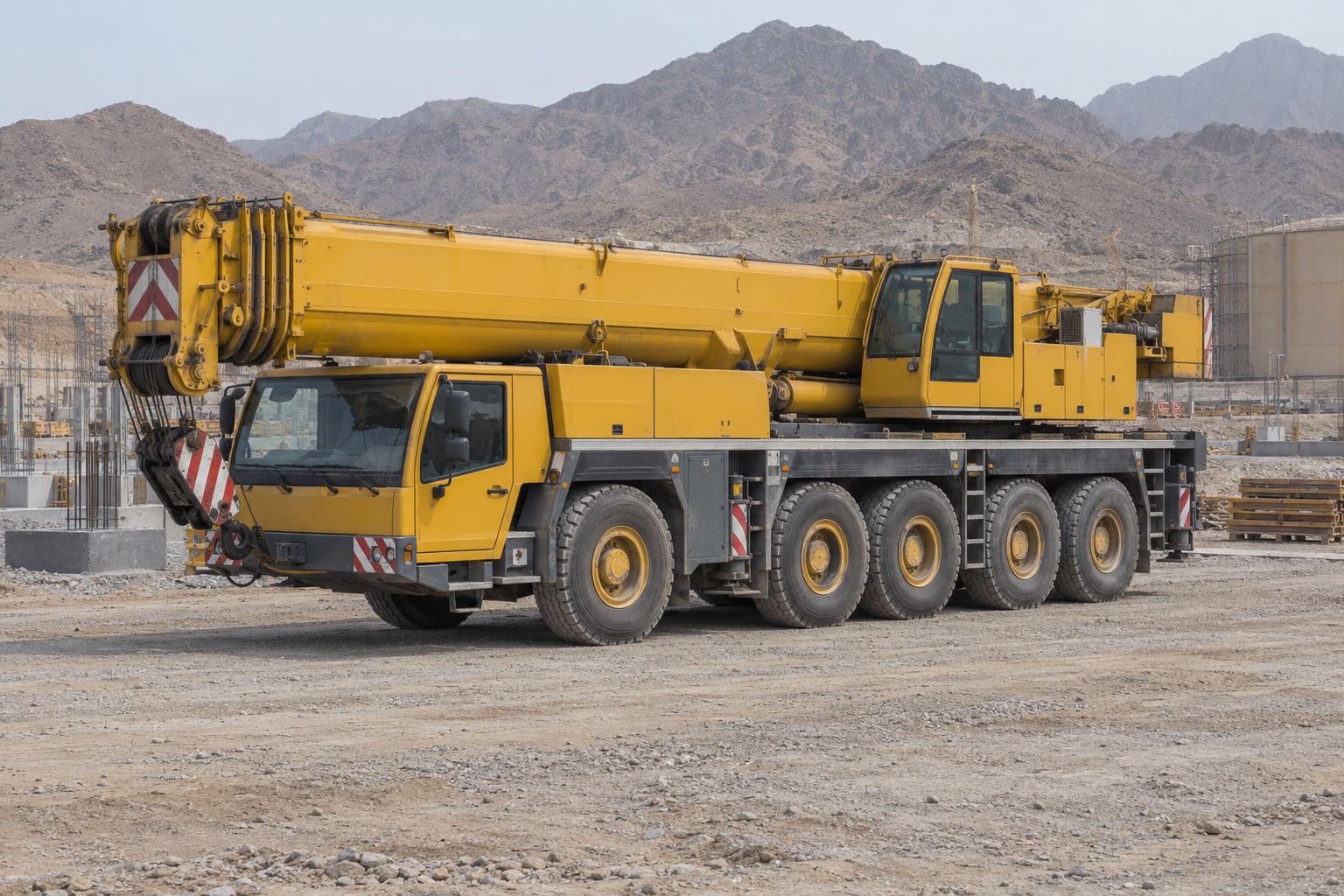
Monitoring Rental Crane Activity in Oman
Five mobile cranes connect chassis and crane-controller data, operating signals, warnings and voice communication to review equipment use.
Explore use case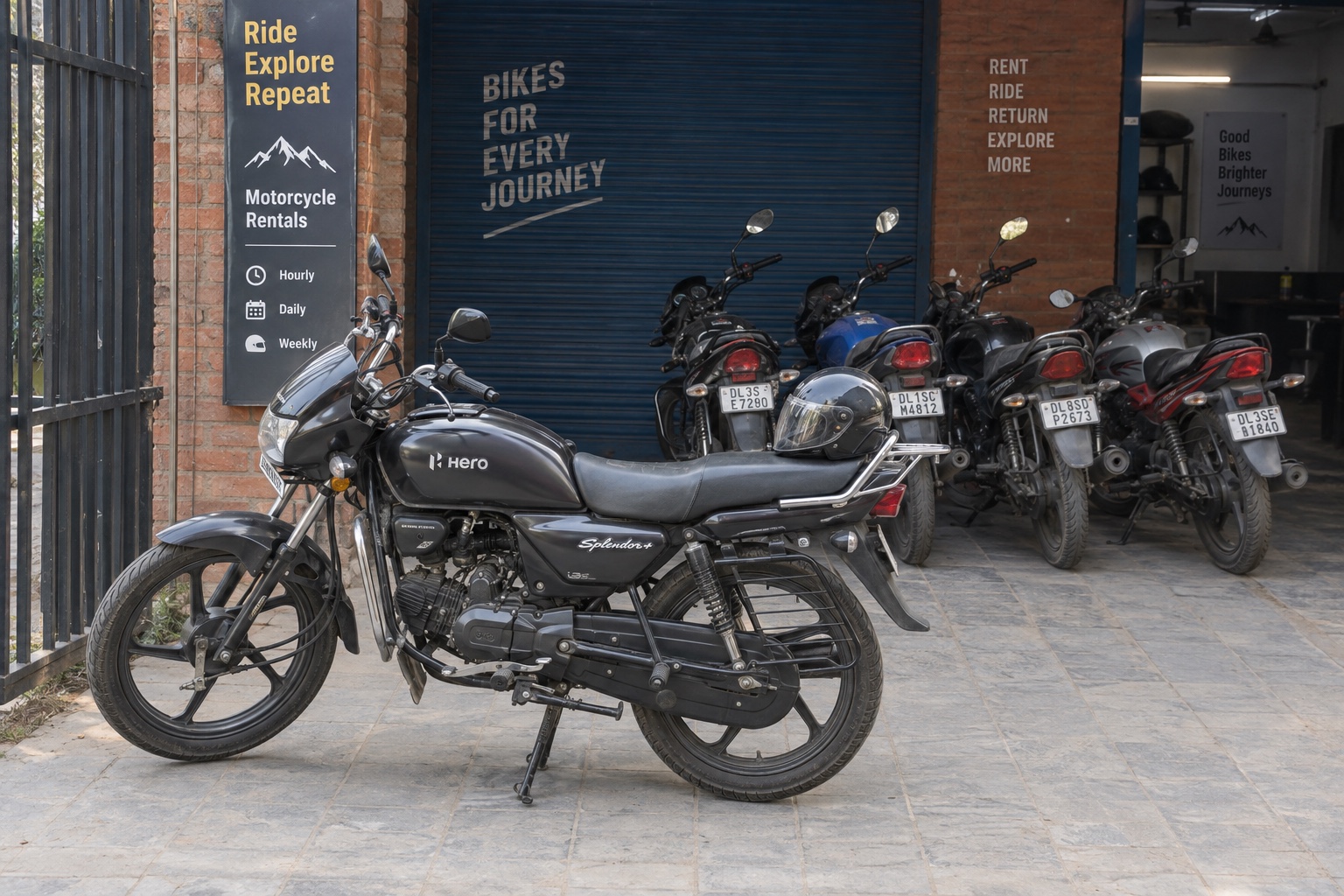
India · START S-2011
Rental Records and Return Disputes in Delhi
Location and journey records help an operator follow up on overdue returns and resolve questions about use across 28 bikes. Movement time is separate from rental duration.
Explore use case
India · START S-2011
Balancing Bike Use Across Mumbai’s Rental Locations
Journey records and tracked distance help an operator compare use, rotate 173 bikes between four rental locations and spread servicing demand.
Explore use case