
OMAN · CONSTRUCTION AND INDUSTRIAL EQUIPMENT RENTAL
Monitoring Rental Crane Activity in Oman
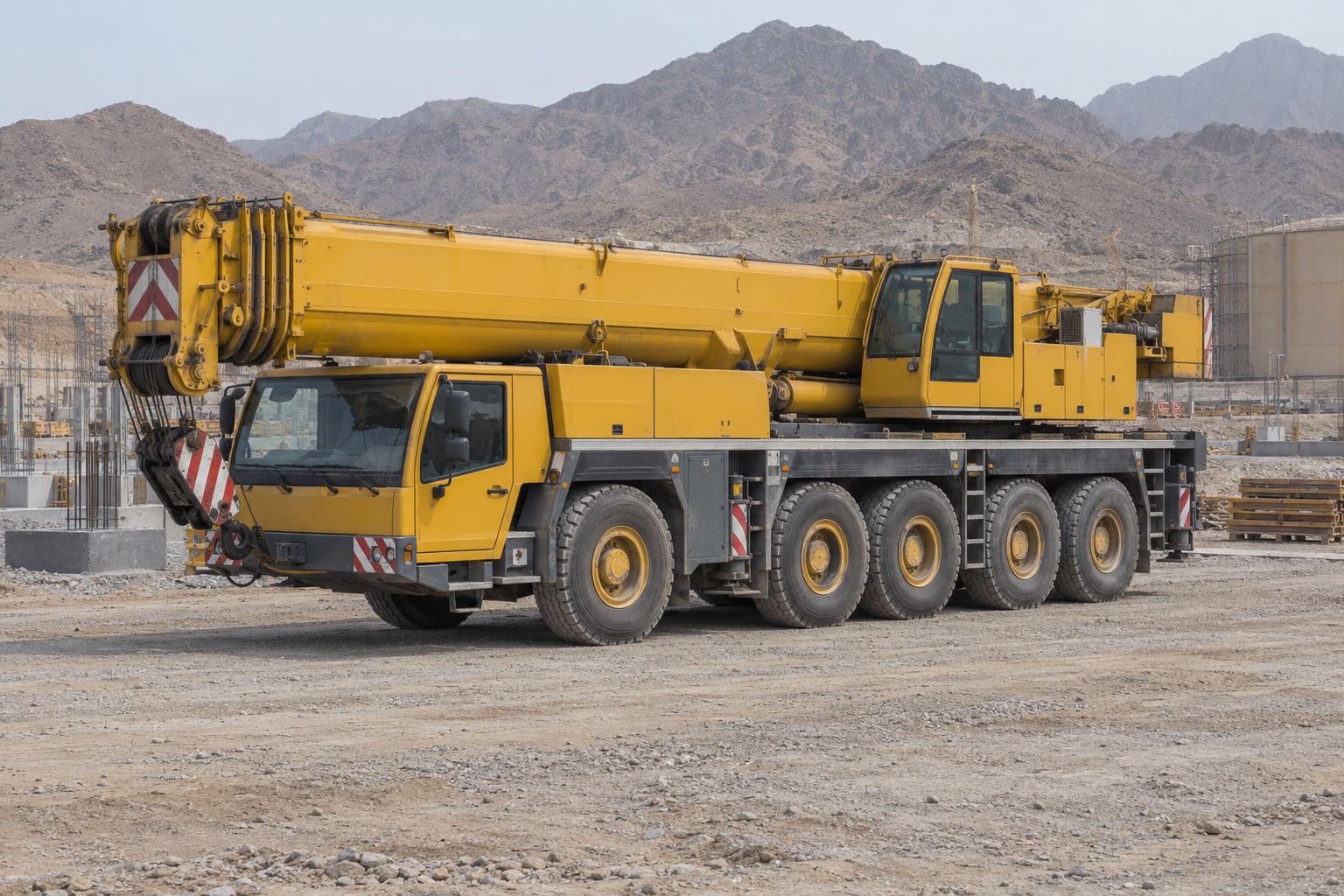
A heavy-equipment rental company connected crane location, chassis data and crane operating states with operator alerts and direct voice communication. The solution helped the owner understand how equipment was being used between departure, arrival on site and completion of an assignment.
Oman · Mobile crane rental
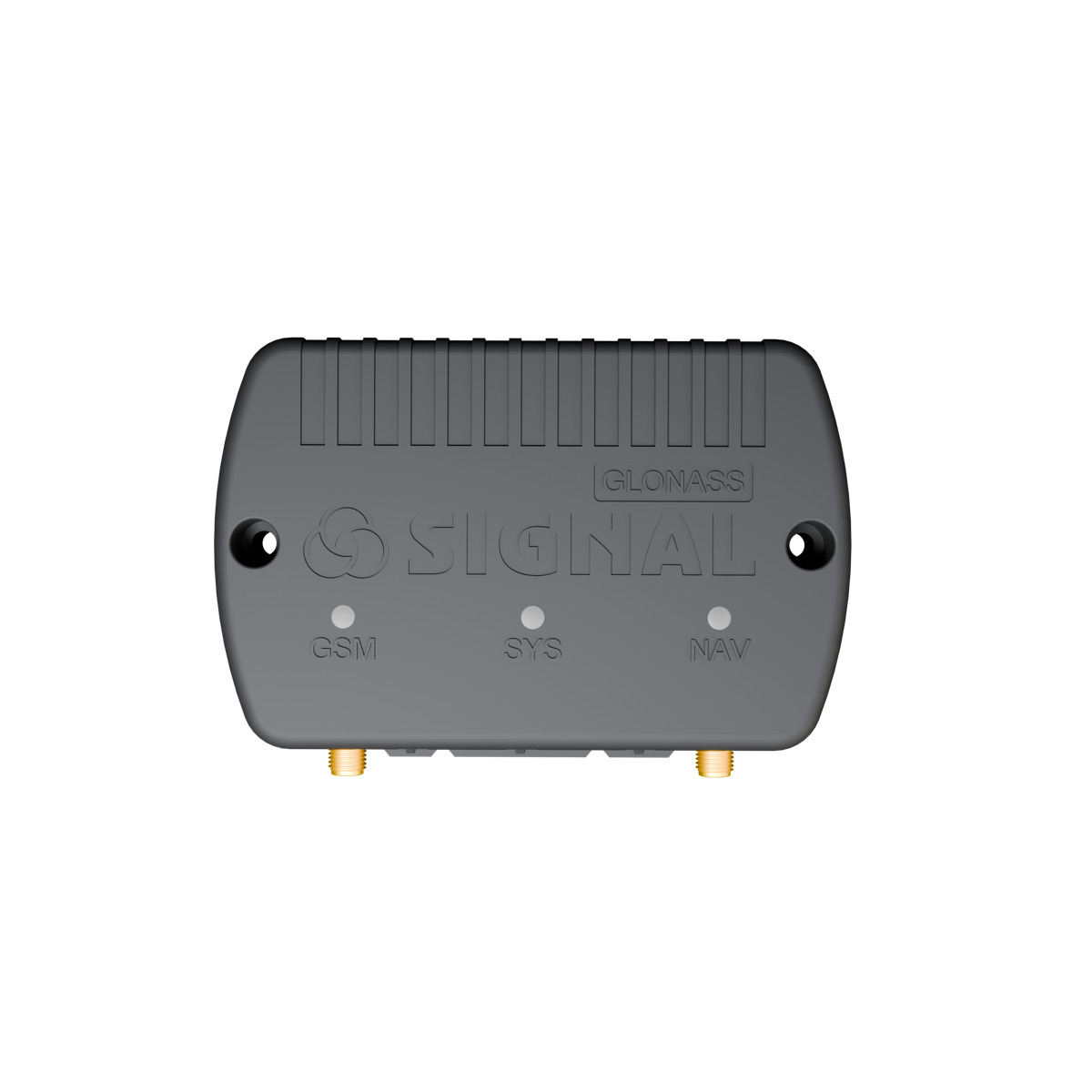
Solution device
SIGNAL S-4753- Market
- Oman
- Equipment
- 5 mobile cranes
- Application
- Construction and industrial equipment rental
THE CHALLENGE
Distinguish travel, waiting and recorded crane activity
The company deployed mobile cranes across construction and industrial projects. The owner needed to know where each crane was and whether it was travelling, waiting on site or performing work.
Location and engine-running status alone could not answer these questions. A crane could remain on a project site with its engine running without carrying out lifting operations. This made it difficult to assess equipment utilisation and investigate extended waiting periods.
THE SOLUTION
Link chassis, crane activity and communication
SIGNAL S-4753 terminals were installed on 5 mobile cranes and connected to the chassis and compatible crane-control systems.
Separate travel, waiting and crane activity
One CAN connection collected supported chassis parameters, including mileage, engine hours, RPM and coolant temperature. The second connection collected available operating states from the crane-control system. Additional inputs monitored approved signals, including PTO operation and outrigger status, where these were unavailable through CAN. The monitoring platform brought these records together with location and movement data. Dispatchers could distinguish travel from time on site and review recorded crane-equipment activity. When a crane remained on site without working events, the dispatcher could contact the operator to establish the reason: restricted site access, a load that was not ready or a change in the assignment. This gave the team a practical basis for adjusting schedules and allocating equipment between projects.
Additional operator warnings
Terminal outputs controlled approved in-cabin buzzers or warning indicators. When a configured condition occurred, the operator received a signal prompting attention and a check. Crane operating events could also be reviewed alongside PTO and outrigger states to investigate the sequence of operations. These warnings supplemented the crane’s original safety systems. They did not replace its protective interlocks or determine whether a lift was safe from an outrigger-status signal alone.
Direct communication with the control room
Two-way voice communication allowed operators to discuss breakdowns, route changes and site instructions through the installed equipment. The dispatcher could review the crane’s location and available operating data during the conversation. This provided context for troubleshooting and coordination without relying solely on the operator’s personal phone.
Maintenance planning based on actual use
The maintenance team could review mileage, engine hours and crane operating states together. This helped account for work performed on site that would not appear in mileage records and supported servicing according to the relevant maintenance schedules. Coolant-temperature data provided additional context when investigating abnormal engine operation.
PROJECT OUTCOMES
Discuss delays and plan the next job
Dispatch could examine travel, waiting and recorded crane activity before discussing an assignment or delay with the operator.
Direct voice contact supported coordination during problems. Maintenance staff could also consider crane activity alongside engine use when planning service.
WHY SIGNAL S-4753
Understand what the hired crane is doing on site
S-4753 helped the rental company distinguish travel, waiting and recorded crane work, giving dispatch a basis for discussing delays and the next assignment with the operator. Maintenance could also consider lifting-equipment activity alongside engine use.
Direct voice contact supported that discussion during a problem. The owner gained a way to coordinate equipment already at a customer site instead of treating arrival as evidence that useful work had begun.
SIGNAL S-4753
YOUR PROJECT
Tell us about the work you need to measure
Share the vehicles, routes, sensors and decisions you want this data to support.
More in this application

India · START S-2011
Rental Records and Return Disputes in Delhi
Location and journey records help an operator follow up on overdue returns and resolve questions about use across 28 bikes. Movement time is separate from rental duration.
Explore use case
India · START S-2011
Balancing Bike Use Across Mumbai’s Rental Locations
Journey records and tracked distance help an operator compare use, rotate 173 bikes between four rental locations and spread servicing demand.
Explore use case
India · SMART S-2421
Keeping rental scooters within North Goa
Eleven rental scooters use SMART S-2421 with separate outputs for a warning buzzer and blocking relay. Blocking waits until reported speed falls below 15 km/h.
Explore use case