
INDIA · BIKE RENTAL
Balancing Bike Use Across Mumbai’s Rental Locations
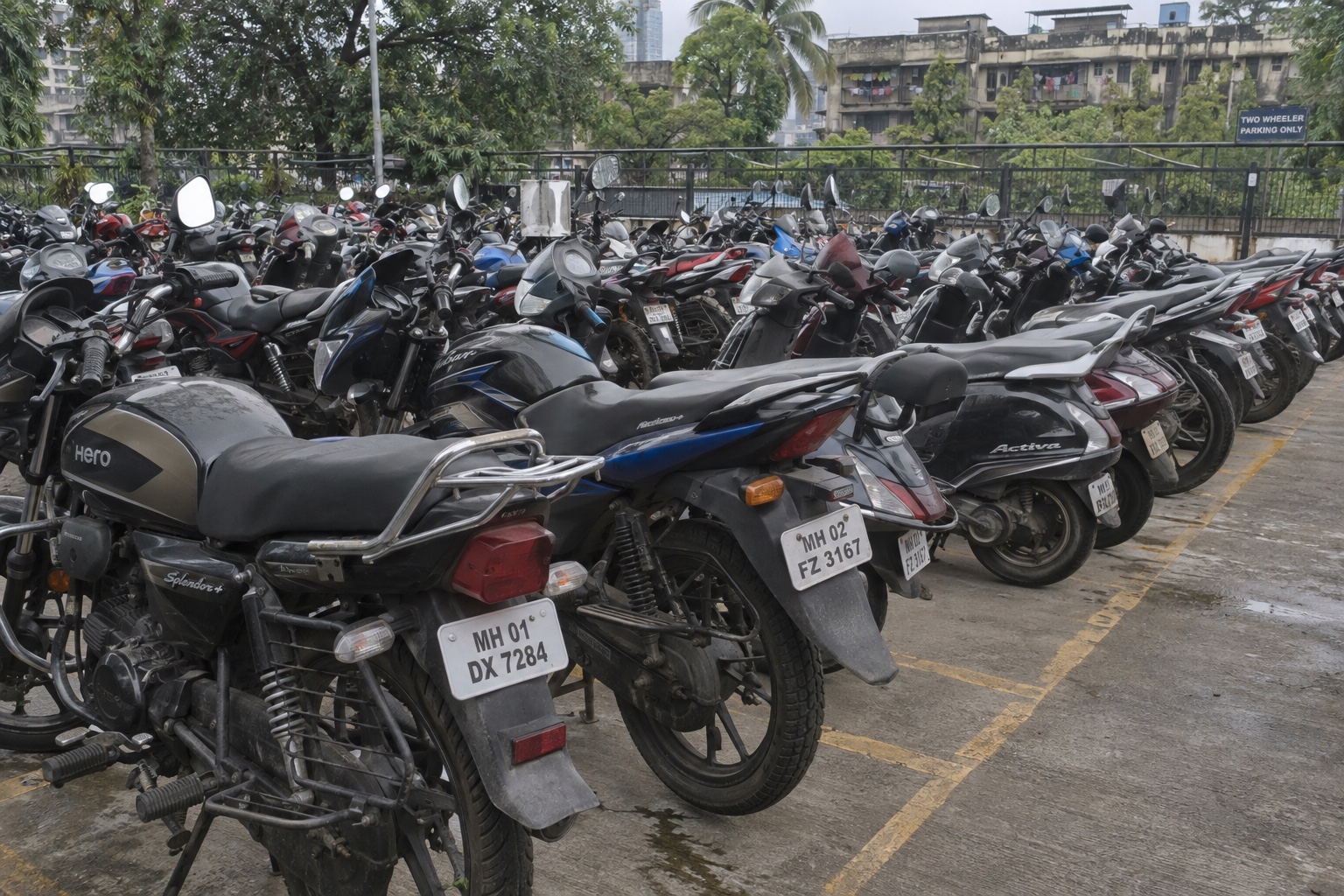
A rental operator with 173 bikes used Navtelecom START S-2011 to identify uneven vehicle use and redistribute bikes between rental locations.
Mumbai, India · 173 bikes · 4 rental locations
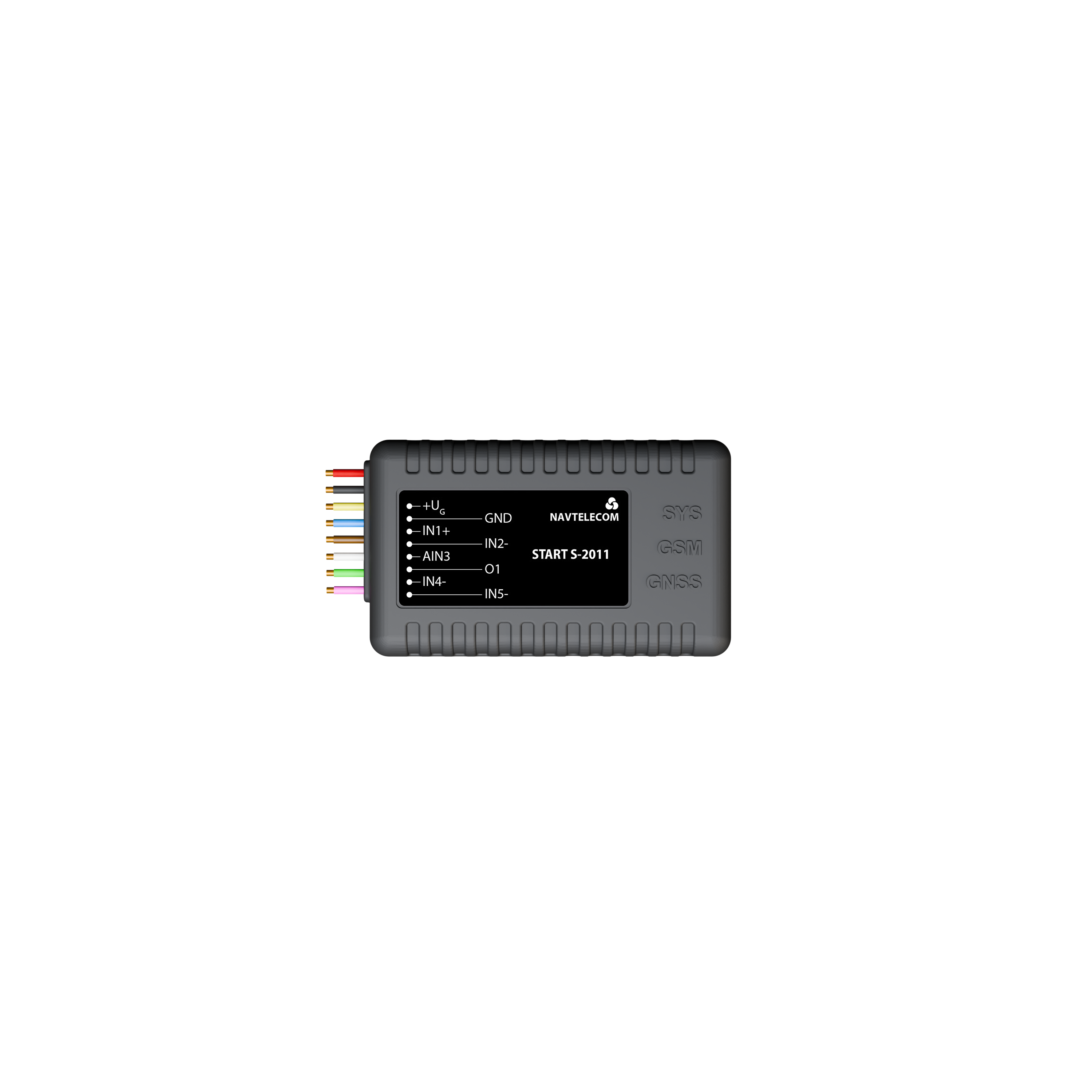
Solution device
START S-2011- Market
- IndiaMumbai
- Vehicles
- 173 bikesDifferent models · 4 rental locations
- Application
- Bike rental
THE CHALLENGE
Spread rental use and servicing across the existing fleet
The company’s bikes were not being used evenly. Some were rented frequently and accumulated mileage quickly, while others spent more time waiting for customers.
Heavily used bikes reached oil-change and service intervals sooner. Maintenance demand became concentrated on part of the fleet, even though less-used vehicles were available elsewhere.
THE SOLUTION
Use trip records for rotation and servicing
START S-2011 trackers provided location and journey records across the fleet. The operator used this information to review activity by bike and rental location, then make decisions about rotation and servicing.
Identify heavily used and underused bikes
Journey history and tracked distance helped the owner compare usage over the same period. The operator could identify bikes accumulating mileage quickly and those spending longer without recorded journeys. Rental records provided the context needed to distinguish low demand from time spent in maintenance or otherwise unavailable for hire.
Redistribute bikes between rental locations
The owner used the activity records to decide which bikes should move between the four locations. Less-used bikes could be transferred to locations with greater rental demand, while heavily used bikes could be rotated out of frequent service. Decisions also accounted for the different models and their suitability for customer requirements. The aim was to spread use more evenly across suitable, available bikes rather than continue relying on the same vehicles.
Plan maintenance around actual use
Tracked mileage helped the operator identify bikes approaching their maintenance intervals and arrange servicing before allocating further rentals. Because the fleet contained different models, service requirements remained specific to each bike. More balanced rotation helped spread the timing of maintenance work instead of allowing the most frequently rented vehicles to reach service intervals together.
Locate bikes during rentals
The same tracking system gave the owner access to each bike’s latest reported location. Alongside the usage reports, this helped the operator keep track of bikes away from the rental locations and organise follow-up or collection when needed.
CUSTOMER-REPORTED OUTCOMES
Balanced use and predictable servicing
The customer reported more balanced use of its 173 bikes and a more even spread of wear and servicing demand.
The owner used activity records to transfer suitable underused bikes to busier rental locations and plan servicing for heavily used bikes before further rentals.
WHY START S-2011
Move underused bikes to busier locations
S-2011 gave the owner a basis for choosing which of the 173 bikes to move between the four rental points. Journey activity and distance showed where use was concentrated, so rotation could be based on actual demand and vehicle use.
That supported a more even spread of wear and servicing demand. The value came from changing which bike was offered next, not simply displaying the whole fleet on a map.
START S-2011
YOUR PROJECT
Tell us about the work you need to measure
Share the vehicles, routes, sensors and decisions you want this data to support.
More in this application
Oman · SIGNAL S-4753
Monitoring Rental Crane Activity in Oman
Five mobile cranes connect chassis and crane-controller data, operating signals, warnings and voice communication to review equipment use.
Explore use case
India · START S-2011
Rental Records and Return Disputes in Delhi
Location and journey records help an operator follow up on overdue returns and resolve questions about use across 28 bikes. Movement time is separate from rental duration.
Explore use case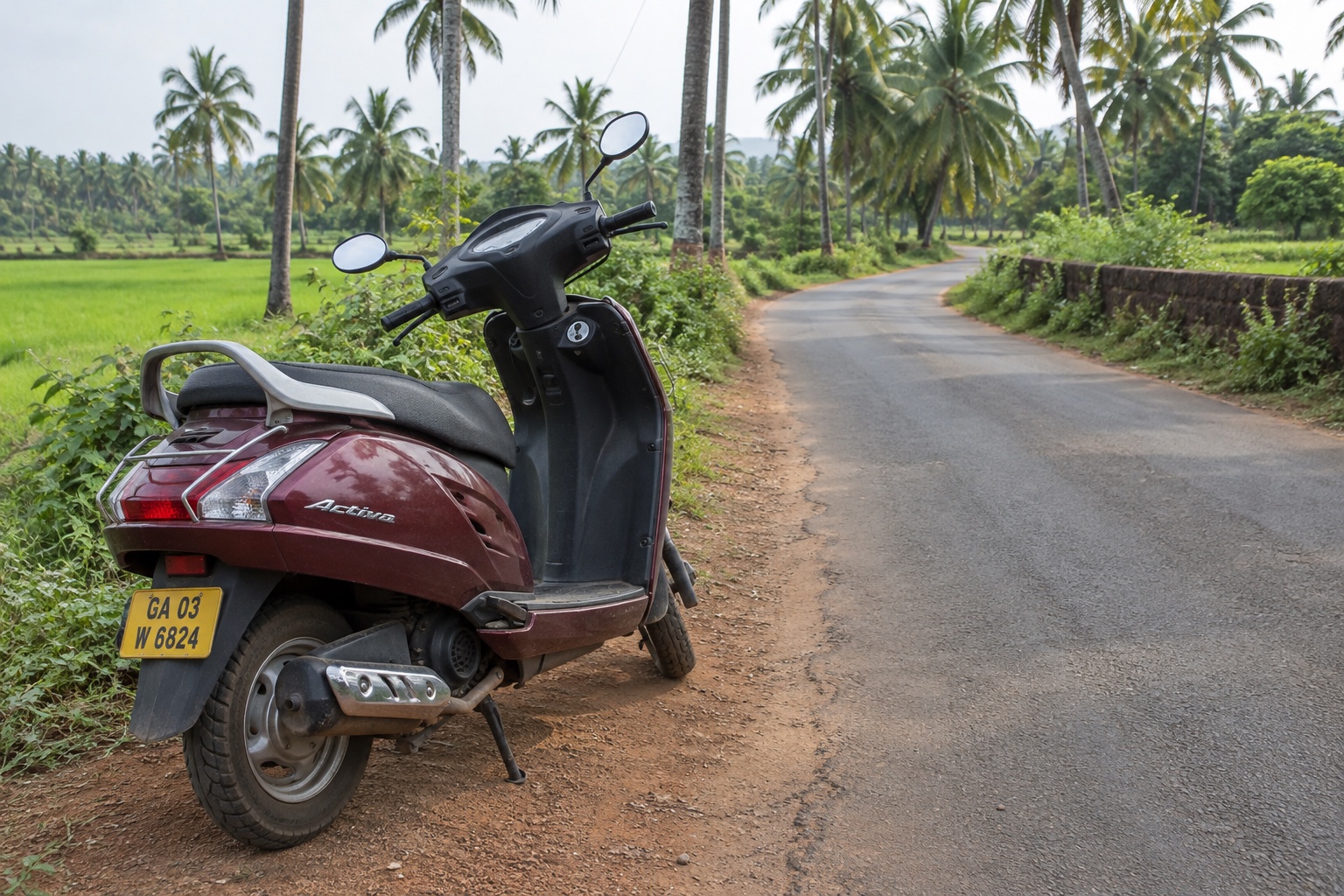
India · SMART S-2421
Keeping rental scooters within North Goa
Eleven rental scooters use SMART S-2421 with separate outputs for a warning buzzer and blocking relay. Blocking waits until reported speed falls below 15 km/h.
Explore use case