
RUSSIA · SHARED MICROMOBILITY
Shared Scooter Speed Control in Moscow
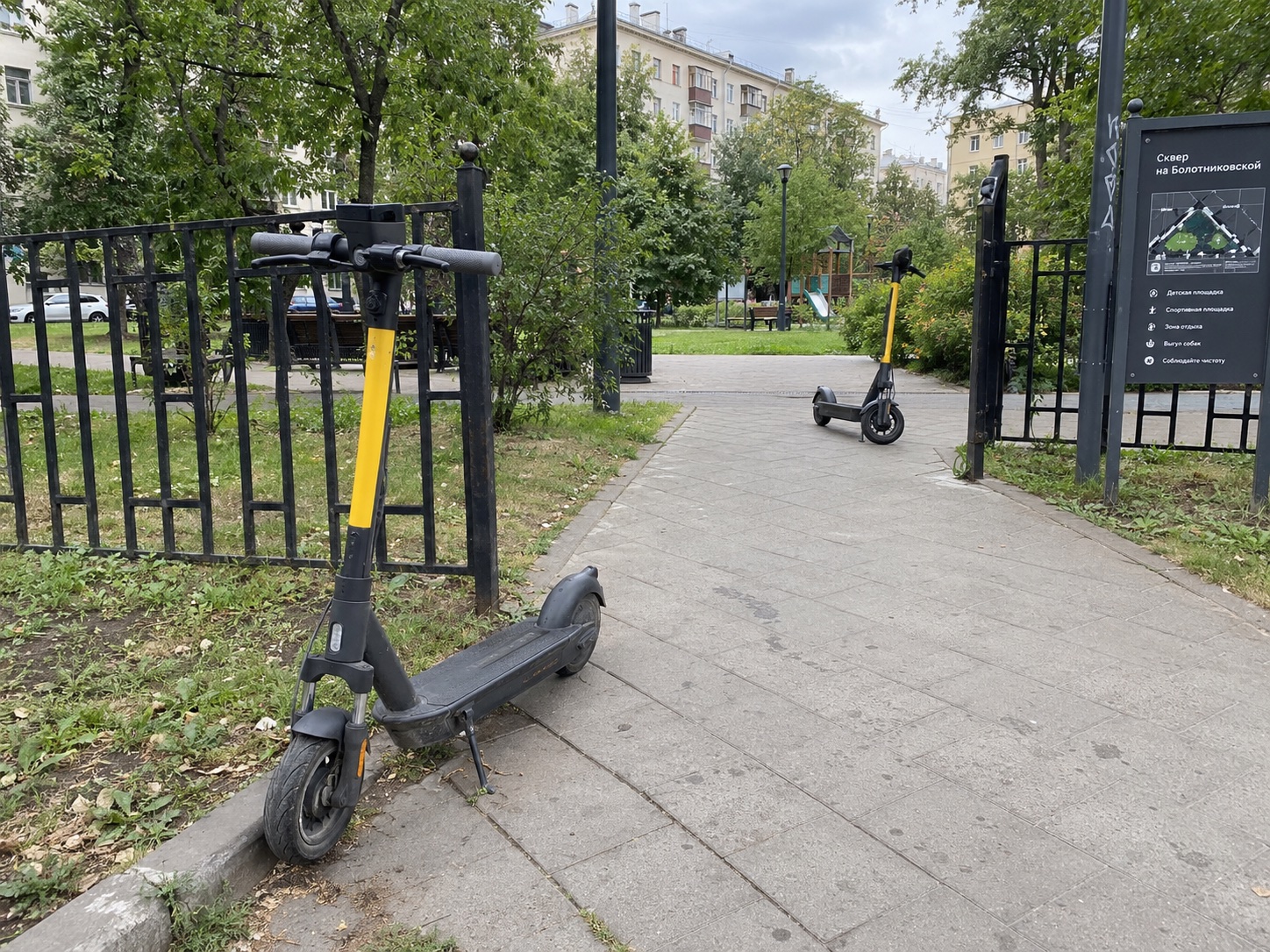
A scooter-sharing operator used Navtelecom SMART S-4533 and Complex Events to monitor scooter locations and battery status and automatically change riding modes in designated speed zones.
Moscow, Russia · Automatic zone-based riding modes
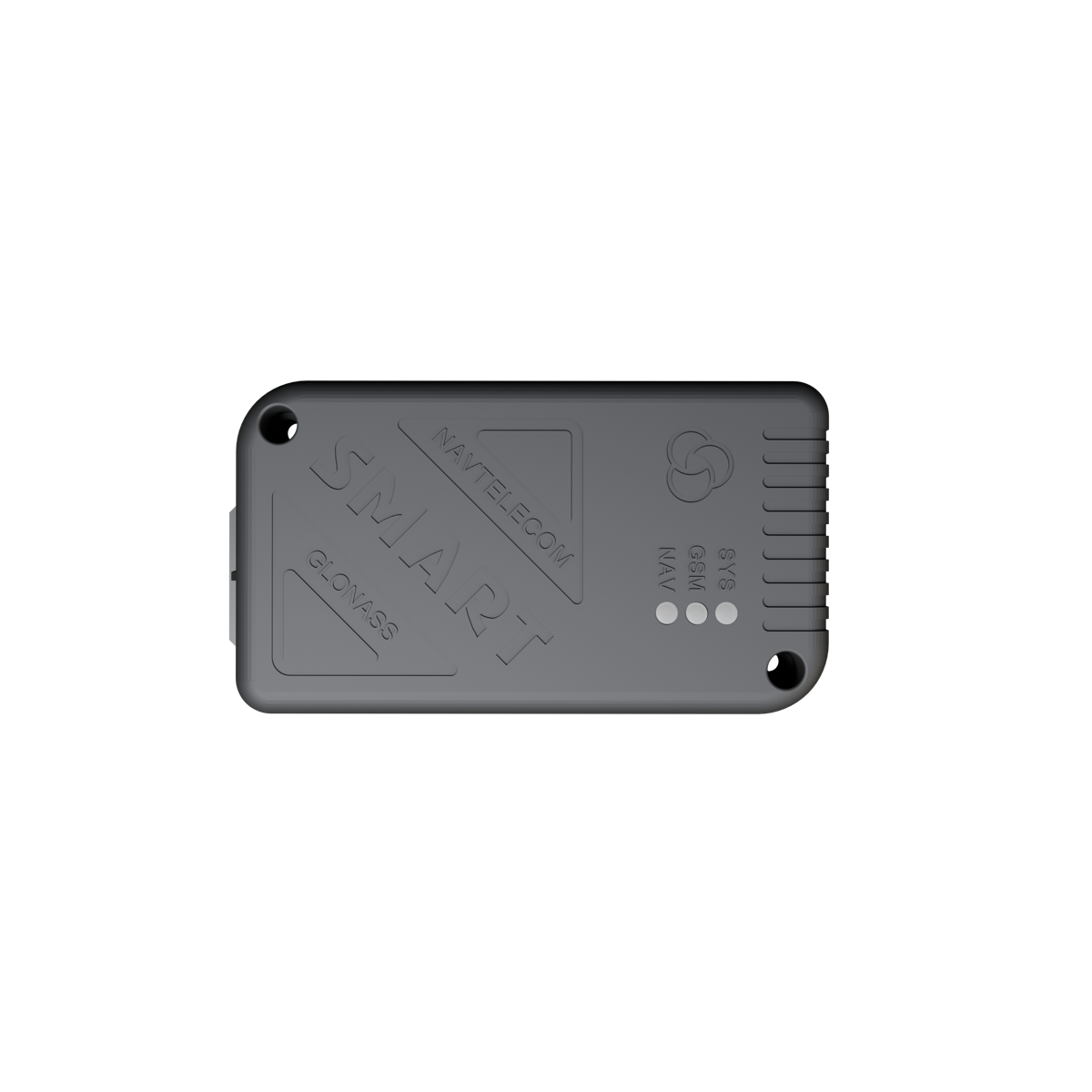
Solution device
SMART S-4533- Market
- RussiaMoscow
- Vehicles
- 212 electric scootersApp-based scooter sharing
- Application
- Shared micromobility
THE CHALLENGE
Manage fleet readiness and apply speed limits during the ride
The company rented electric scooters through a mobile application. To manage its fleet, it needed to know where scooters were located, how much battery charge remained and which units required attention.
The scooters’ onboard electronics contained battery information but could not transmit it independently to the monitoring server. The operator needed a connection between each scooter and its management system.
The company also needed to apply different speed limits in designated areas, including parks and residential districts. Identifying excessive speed after a ride would not solve this problem. The scooter had to switch automatically to the appropriate riding mode when entering a restricted zone and restore the permitted mode when leaving it.
Changes also needed to be gradual, avoiding an abrupt response while someone was riding.
THE SOLUTION
Connect scooter data and operating commands
The company equipped 212 electric scooters with SMART S-4533 trackers. SMART S-4533 connected the scooter’s onboard electronics to the monitoring server. It transmitted location and available battery data and received commands for changing the scooter’s operating mode. A custom algorithm built with Complex Events handled the device-side interaction with the scooter.
Locate scooters and check battery status
S-4533 collected charge and available battery-condition data from the battery management system and transmitted them alongside the scooter’s location. The operator could see where scooters were and review their remaining charge. This gave the service team the information needed to identify units requiring charging and locate them for collection.
Apply speed restrictions when entering a zone
The server compared reported scooter positions with configured geographic zones. When a scooter entered a restricted area, the server automatically sent a command to S-4533. The Complex Events algorithm processed the command and forwarded it to the connected BMS board, which was the command-receiving board in this installation. Through the scooter’s integrated electronics, the command changed the riding mode and its software maximum-speed setting. Depending on the configured zone, the project could apply settings such as 20, 15 or 10 km/h. The operator could therefore use different limits for different areas rather than apply one setting across the entire service territory.
Adjust speed and restore the riding mode
The control workflow provided a gradual transition to the lower speed setting rather than an abrupt change in propulsion. When the scooter left the restricted zone, the server automatically sent an updated command through the same path. The scooter switched to the mode permitted in the next area, restoring the normal operating limit where no additional restriction applied. Both entry and exit were handled automatically, without a dispatcher issuing individual commands during each ride. Detection of zone transitions and delivery of new commands depended on location updates and communication with the server.
PROJECT OUTCOMES
Remote monitoring and riding-mode control
The operator could locate its 212 scooters and use battery-charge records to plan collection and charging.
Server commands and the local Complex Events algorithm applied the appropriate riding mode on zone entry and exit, without a dispatcher issuing each command. Mode transitions were gradual.
WHY SMART S-4533
Apply riding rules automatically
S-4533 connected the rental service’s decisions to the scooter. The server could request the appropriate riding mode when a scooter entered or left a zone, and the installed logic passed that request to the scooter electronics for gradual application.
For the operator, this meant managing a 212-scooter service without issuing each speed-change command manually. Location and charge records also supported collection and charging decisions.
SMART S-4533
YOUR PROJECT
Tell us about the work you need to measure
Share the vehicles, routes, sensors and decisions you want this data to support.
More in this application
Oman · SIGNAL S-4753
Monitoring Rental Crane Activity in Oman
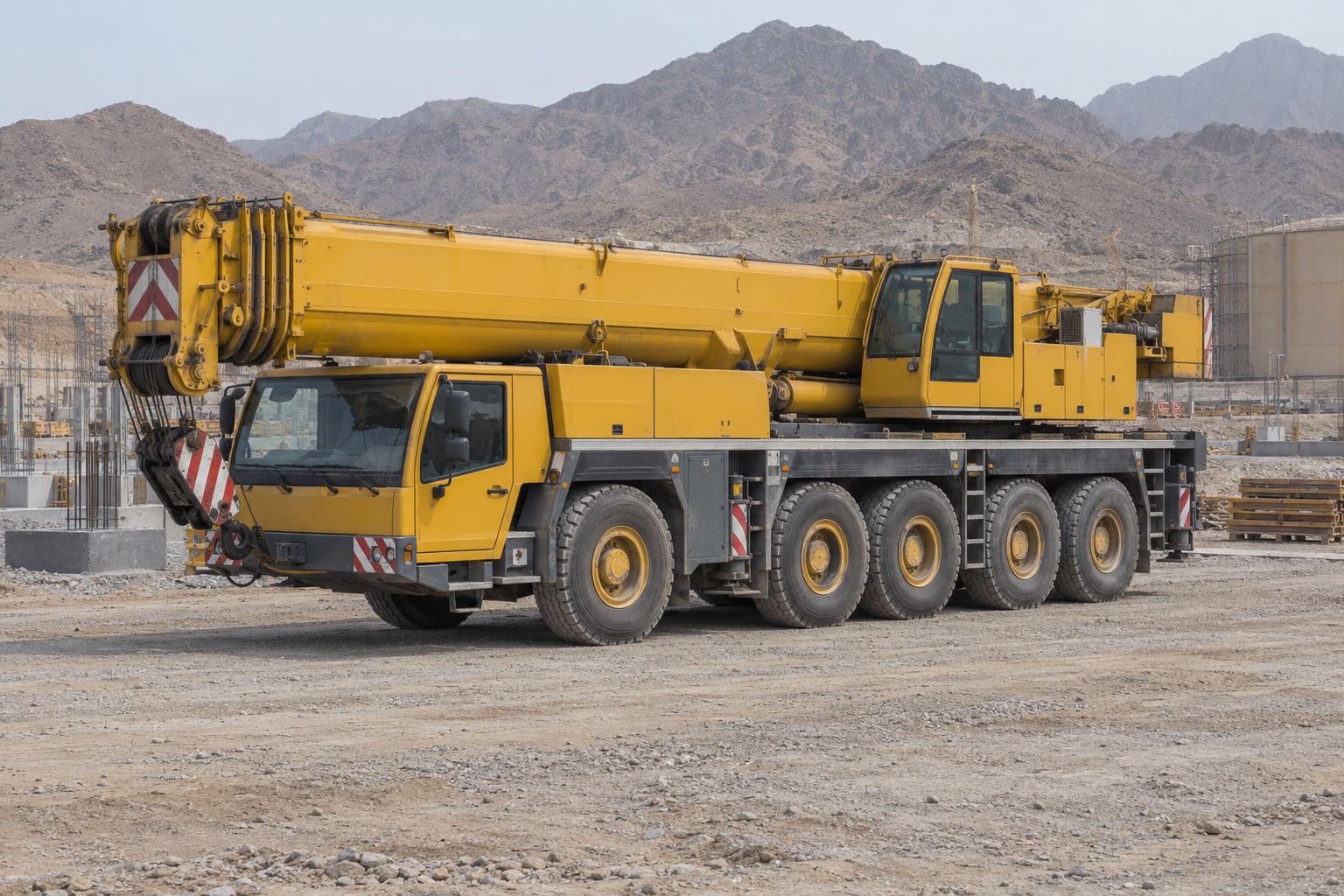
Five mobile cranes connect chassis and crane-controller data, operating signals, warnings and voice communication to review equipment use.
Explore use case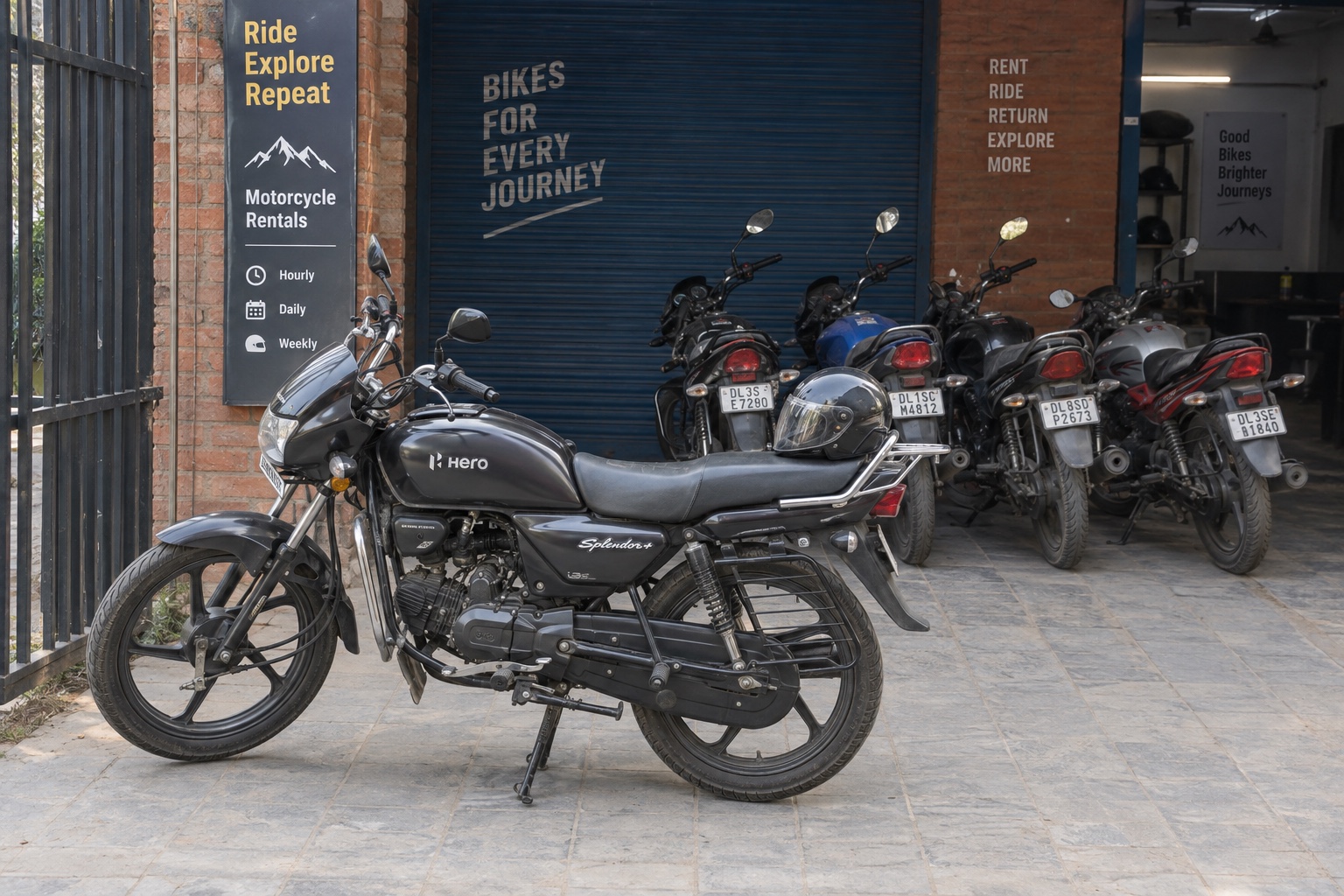
India · START S-2011
Rental Records and Return Disputes in Delhi
Location and journey records help an operator follow up on overdue returns and resolve questions about use across 28 bikes. Movement time is separate from rental duration.
Explore use case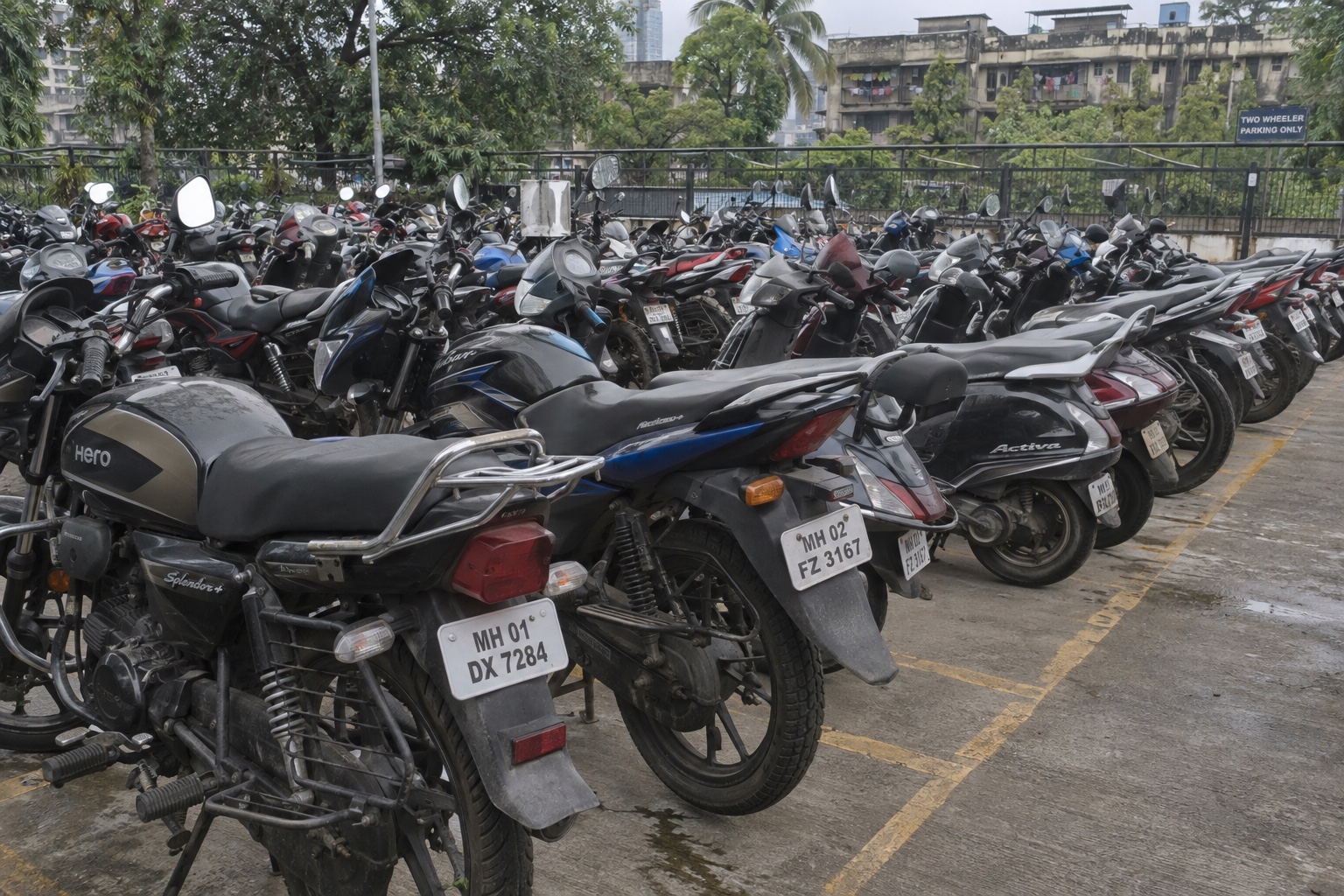
India · START S-2011
Balancing Bike Use Across Mumbai’s Rental Locations
Journey records and tracked distance help an operator compare use, rotate 173 bikes between four rental locations and spread servicing demand.
Explore use case