
INDIA · EXECUTIVE AND CORPORATE TRANSPORT
Fuel Use and Driving Quality in Mumbai
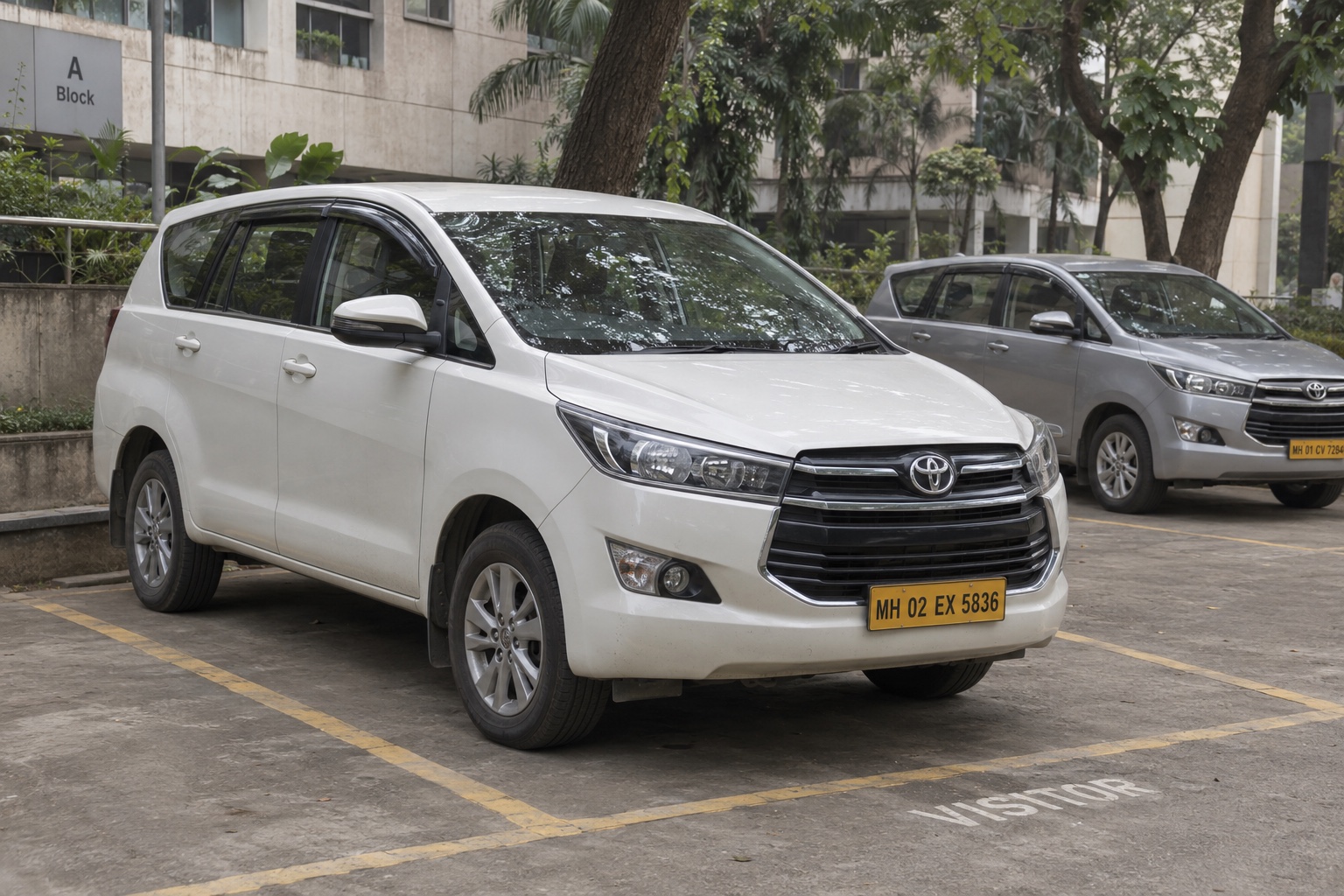
An executive transport operator used SMART S-2435 to review fuel use and driving quality across 13 diesel Toyota Innova Crysta vehicles, with driver assistance requests and parked-vehicle access control.
Mumbai, India · 13 diesel Toyota Innova Crysta vehicles
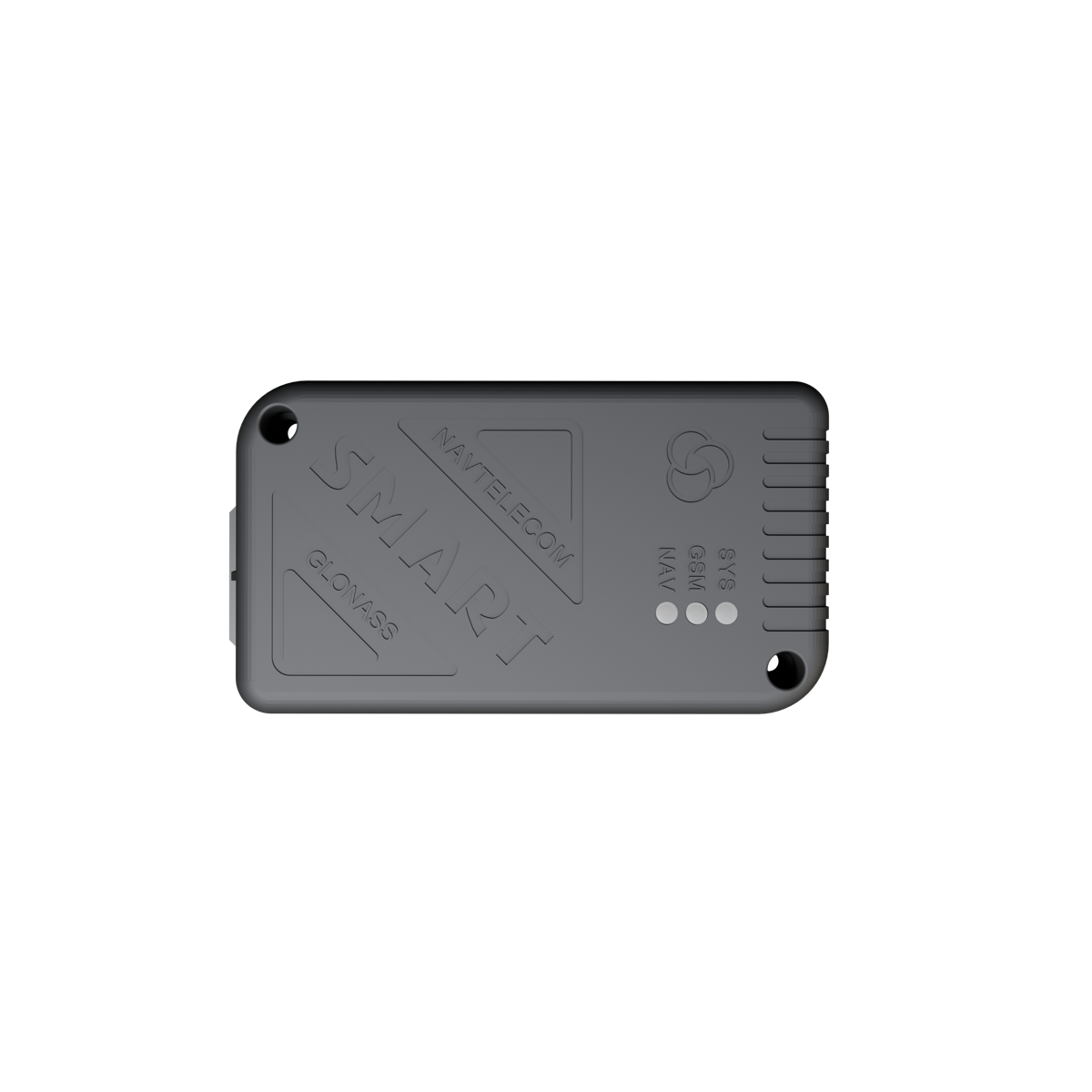
Solution device
SMART S-2435- Market
- IndiaMumbai
- Vehicles
- 13 vehiclesDiesel Toyota Innova Crysta
- Application
- Executive and corporate transport
THE CHALLENGE
Understand fuel use and driving quality across long daily shifts
An executive transport company operated 13 diesel Toyota Innova Crysta vehicles for airport transfers and corporate passenger services across Mumbai.
During long daily shifts, managers needed to understand fuel consumption, review driving quality and check vehicle use against assigned work. Location tracking alone could not explain why comparable journeys used different amounts of fuel or which driving habits needed attention.
The company also wanted drivers to be able to request assistance and parked vehicles to be protected from unauthorised use after working hours.
THE SOLUTION
Link fuel, driving events and vehicle access
SMART S-2435 collected supported vehicle readings through CAN, including mileage, fuel information, engine RPM and air-conditioning status. The monitoring platform combined these readings with location and trip history.
Review fuel use against assigned work
An ignition connection provided additional operating context. RPM helped distinguish a running engine from ignition being switched on without the engine running. The fleet team could compare distance and fuel use across similar journeys, then examine engine-running periods and A/C operation where consumption required explanation. Traffic, passenger requirements and waiting conditions remained part of the review. A/C operation was monitored as context, rather than automatically treated as waste. This installation did not switch the A/C off.
Use specific driving events for coaching
Eco Driving recorded configured events such as harsh acceleration and braking. Supervisors could review these alongside RPM and trip history, identify the relevant journey segments and discuss them with drivers. This provided a practical basis for coaching smoother passenger transport and addressing inefficient driving habits.
Give drivers a way to request assistance
A driver-accessible SOS button generated an emergency event for the monitoring platform. Staff could use the available vehicle location and trip context when responding. Alert delivery depended on communication coverage.
Restrict unauthorised use after work
A tracker output controlled an immobilisation relay for use when the vehicle was parked. The operator could restrict vehicle use outside assigned working hours and release it for the next authorised assignment.
THE RESULT
Journey-based fuel reviews and coaching
Managers could investigate fuel consumption against comparable transport work, rather than review fuel totals without journey context. Supervisors gained specific driving incidents to discuss with drivers, making coaching more focused.
The 13 vehicles also had a driver assistance-request function and a means of restricting unauthorised use after work. These controls supported both daily passenger operations and management of the fleet between assignments.
WHY SMART S-2435
Review trips and control parked-vehicle access
S-2435 helped the company identify which journeys and driving incidents deserved attention. It gave managers evidence for deciding whether to review a waiting period, discuss a driving habit or investigate vehicle use outside an assignment.
Its role also extended beyond reporting: drivers could request assistance, and the operator could restrict a parked vehicle’s use. For this fleet, the value was a practical way to review fuel expenditure, coach drivers and manage vehicle access throughout the working day.
SMART S-2435
YOUR PROJECT
Tell us about the work you need to measure
Share the vehicles, routes, sensors and decisions you want this data to support.
More in this application
India · SIGNAL S-4753
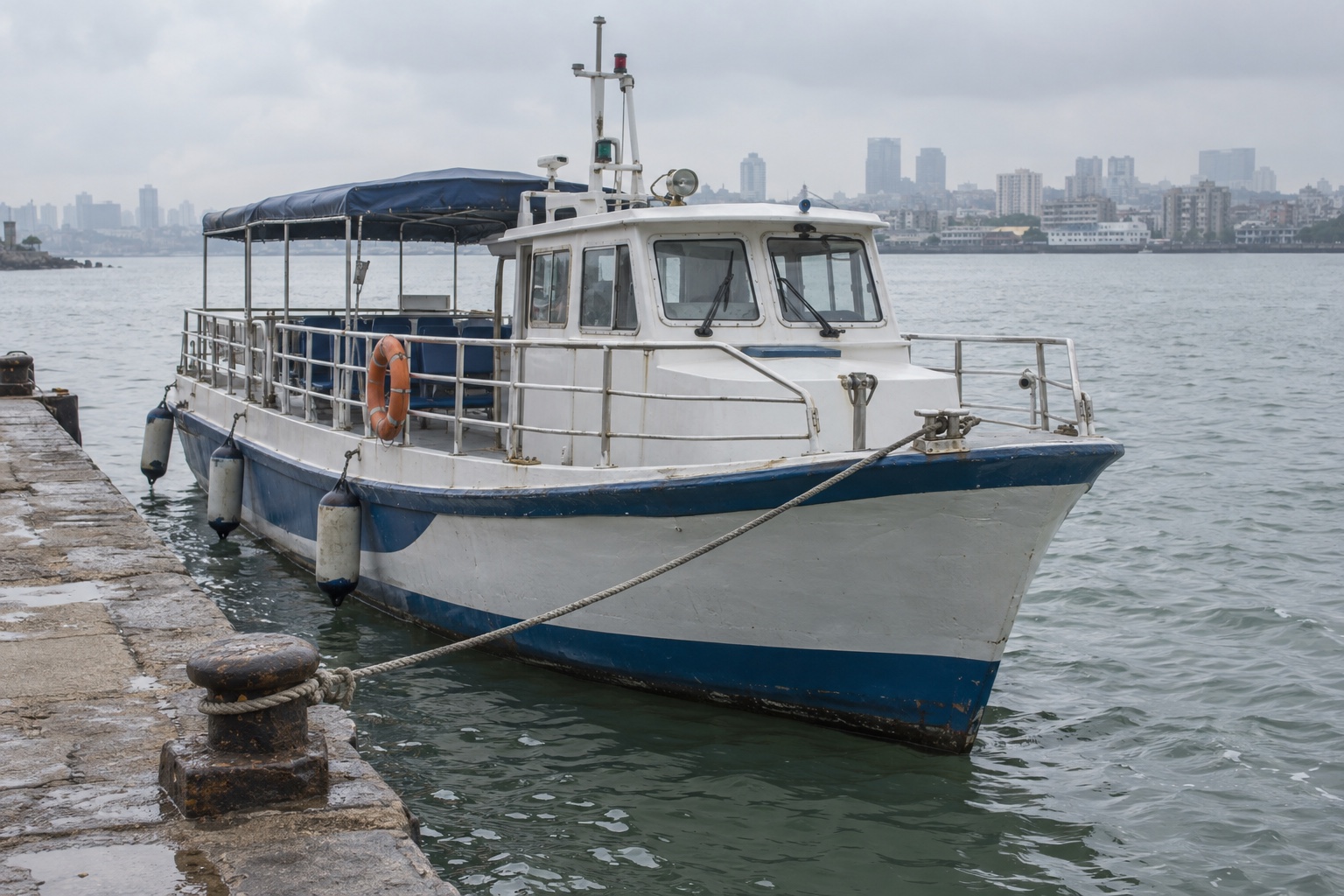
Sightseeing Boat Oversight in Mumbai
Journey and engine RPM records support excursion reviews, while a crew button sends assistance requests with the boat’s reported location.
Explore use case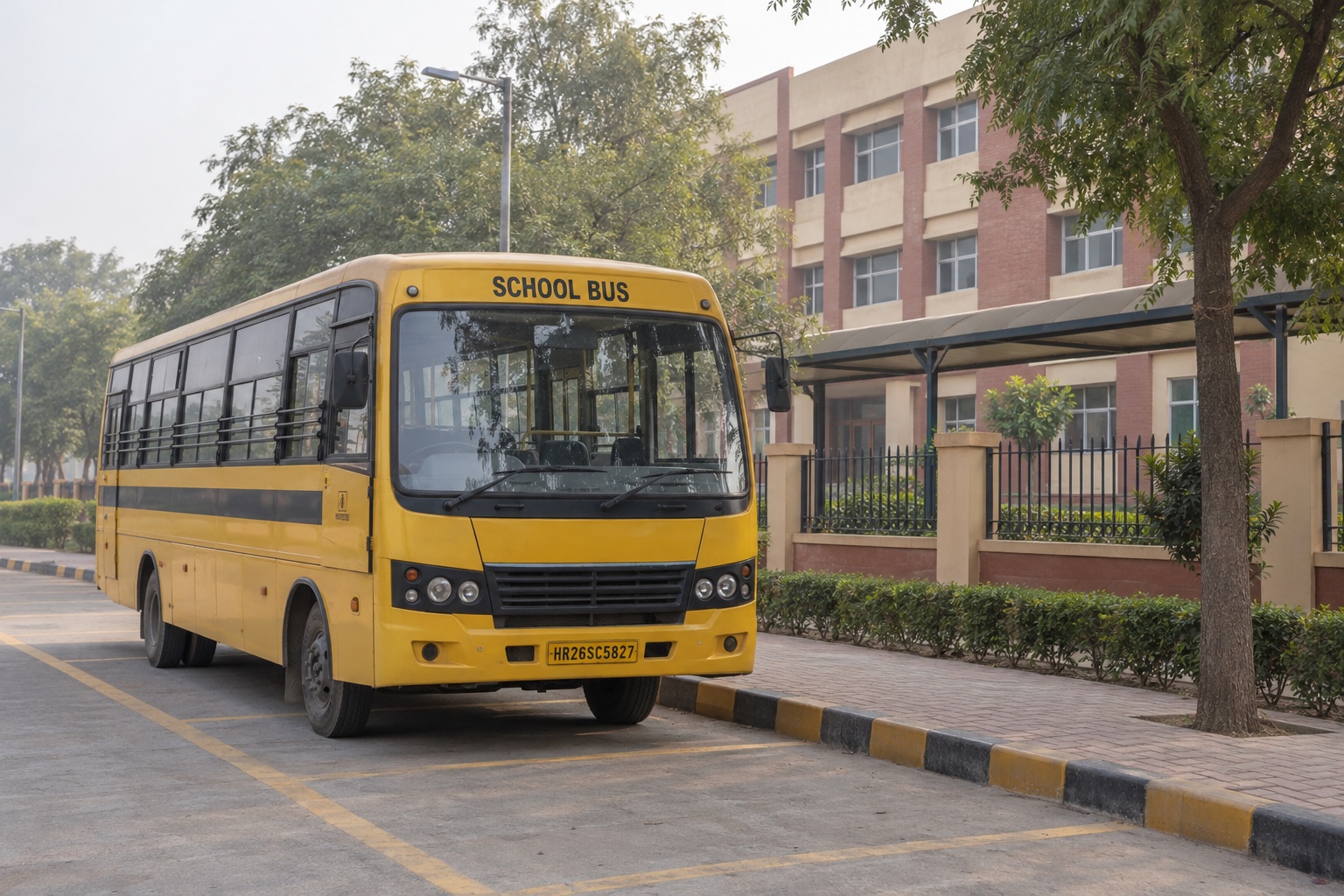
India · SMART S-4511
School Bus Updates in Gurugram
RFID card events and bus tracking give parents boarding and exit records, journey updates and arrival estimates across 20 school buses.
Explore use case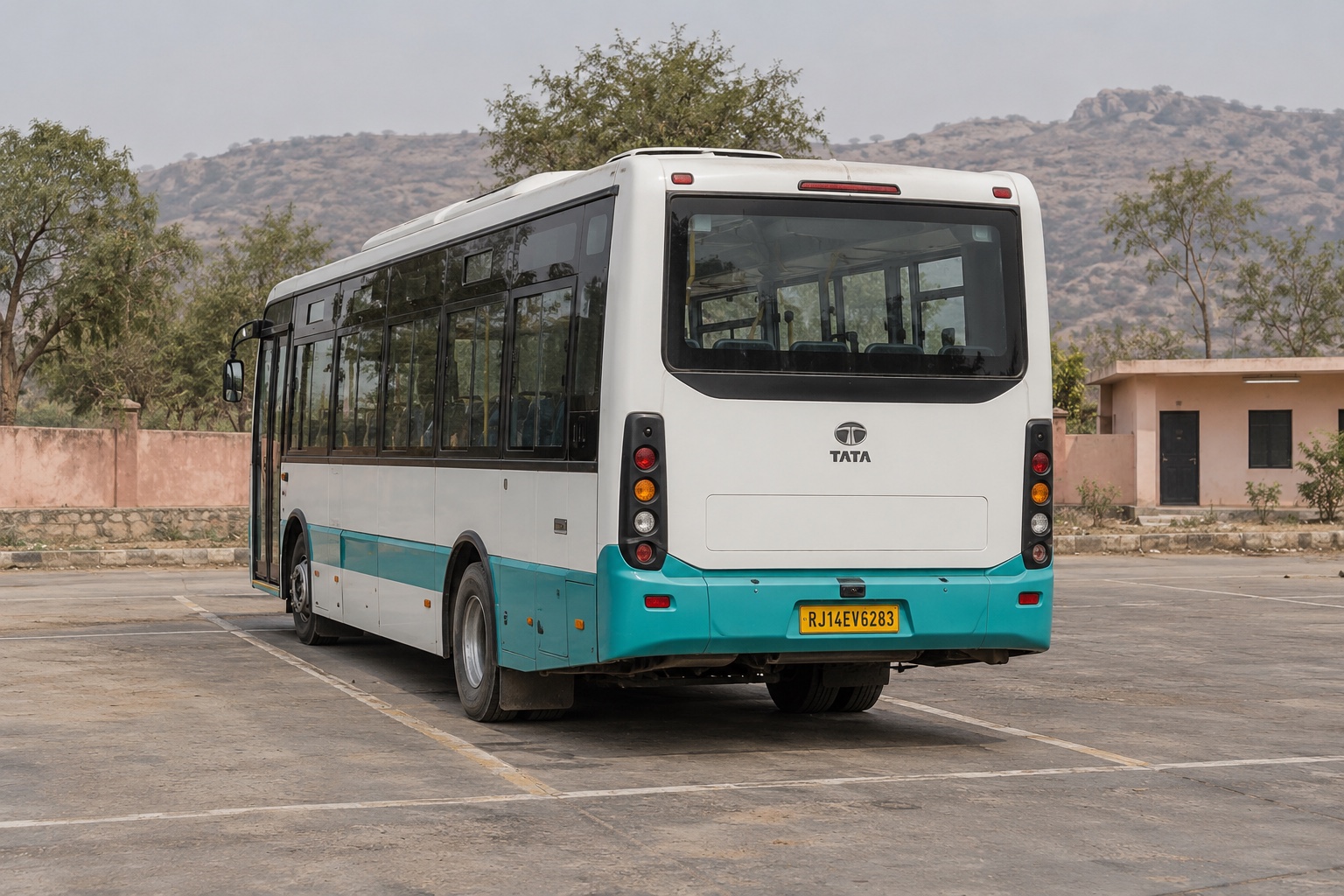
India · SMART S-2435
Electric Bus Readiness Between Delhi and Jaipur
Battery and charging records help prepare 17 electric buses across four stations, while journey and driver-card records support trip and shift reviews.
Explore use case