
KENYA · WASTE MANAGEMENT
Waste-Collection Activity and Fuel Use in Nairobi
A waste-management company linked collection-equipment activity and hydraulic pressure with routes and fuel records, while a relay supported controlled access to parked trucks between shifts.
Nairobi, Kenya · Waste management
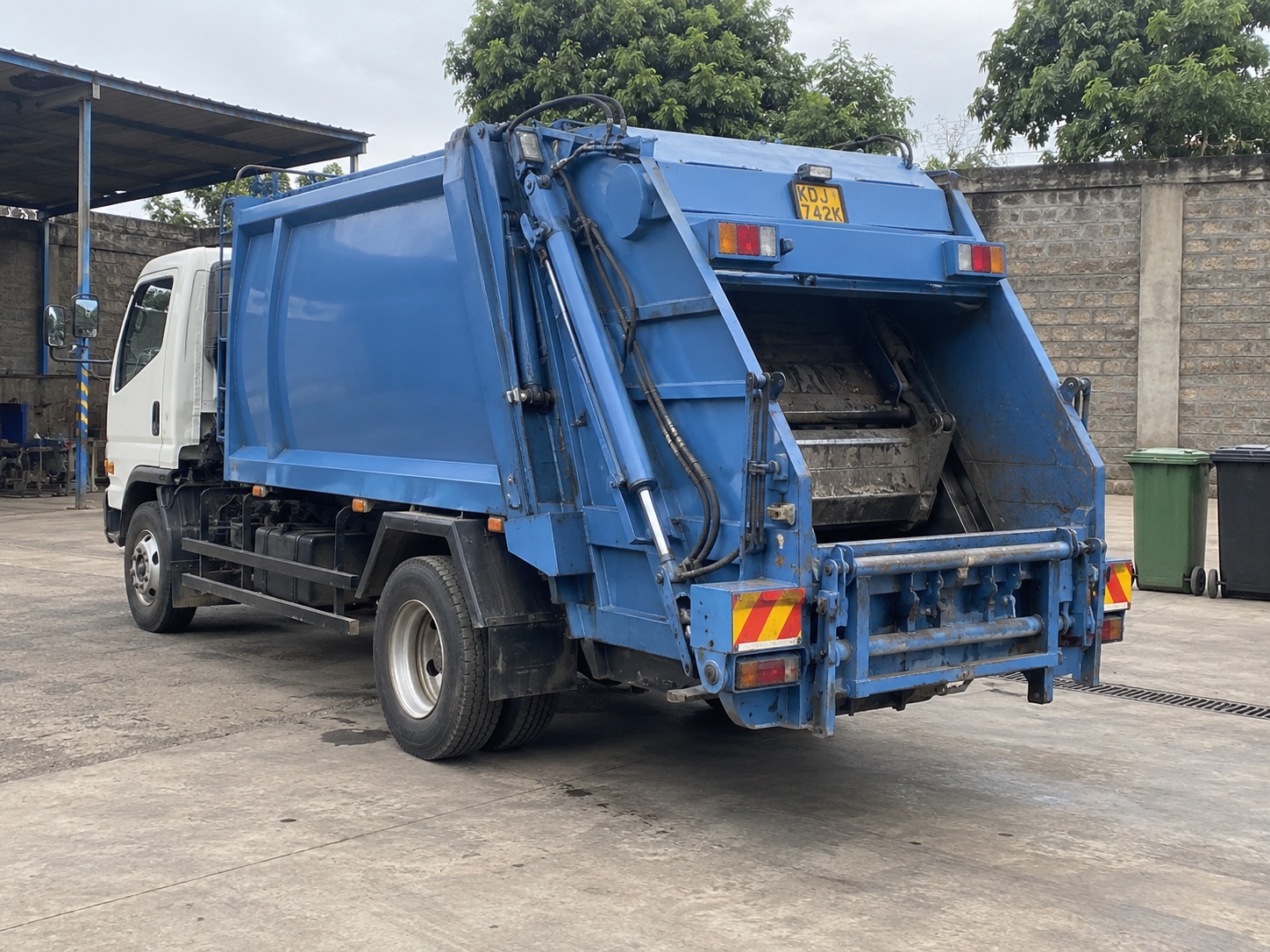

Solution device
START S-2013- Market
- KenyaNairobi
- Vehicles
- 12 refuse trucks
- Application
- Waste management
THE CHALLENGE
Check equipment use at scheduled stops, not just vehicle presence
A waste-management company needed to check whether its trucks were using collection equipment at scheduled stops. A location record alone could not distinguish a collection stop from a vehicle simply stopping nearby.
The company also wanted to verify refuelling, investigate unexpected fuel losses and restrict unauthorized use of parked trucks after working hours.
THE SOLUTION
Link collection activity, pressure and fuel
The company equipped 12 refuse trucks with START S-2013 trackers, wired fuel-level sensors, ignition and bin-lifter signals, and hydraulic-pressure sensors.
Checking activity at collection stops
The monitoring platform combined truck location with the connected bin-lifter signal and hydraulic-pressure readings. Supervisors could check whether equipment activity occurred at an expected collection location. A stop without the expected signals could be followed up with the driver. The records showed bin-lifter activity at collection stops; they did not independently confirm that every bin had been emptied.
Reviewing hydraulic operation
Hydraulic-pressure readings added context to equipment-cycle events. If the recorded pressure behaviour differed from normal operation, staff could identify the event for review or arrange an equipment inspection.
Investigating fuel changes
The RS-485 fuel-level sensor recorded tank-level changes alongside the collection route. Staff could compare refuelling events with submitted records and investigate unexpected drops at specific stops. Route and equipment activity provided context for discussing unusual fuel events with the driver.
Restricting use after work
A connected relay allowed the operator to immobilize the truck while parked outside authorized operating hours and release it for the next approved assignment.
RESULTS
Follow up on possible missed collections
Supervisors could identify scheduled stops without expected bin-lifter activity and ask whether collection had been completed.
Fuel and hydraulic concerns could be followed up against the same shift. Parked-truck restrictions also supported the company’s after-hours operating policy.
WHY START S-2013
Check equipment activity at collection stops
S-2013 helped supervisors identify stops where expected bin-lifter activity was absent and ask whether a collection had been missed. Fuel and hydraulic records supplied context for the same shift.
The contractor could follow up on a specific stop or fuel event instead of accepting route completion as proof of work. Parked-truck access control also supported restrictions between authorised shifts.
START S-2013
YOUR PROJECT
Tell us about the work you need to measure
Share the vehicles, routes, sensors and decisions you want this data to support.
More in this application
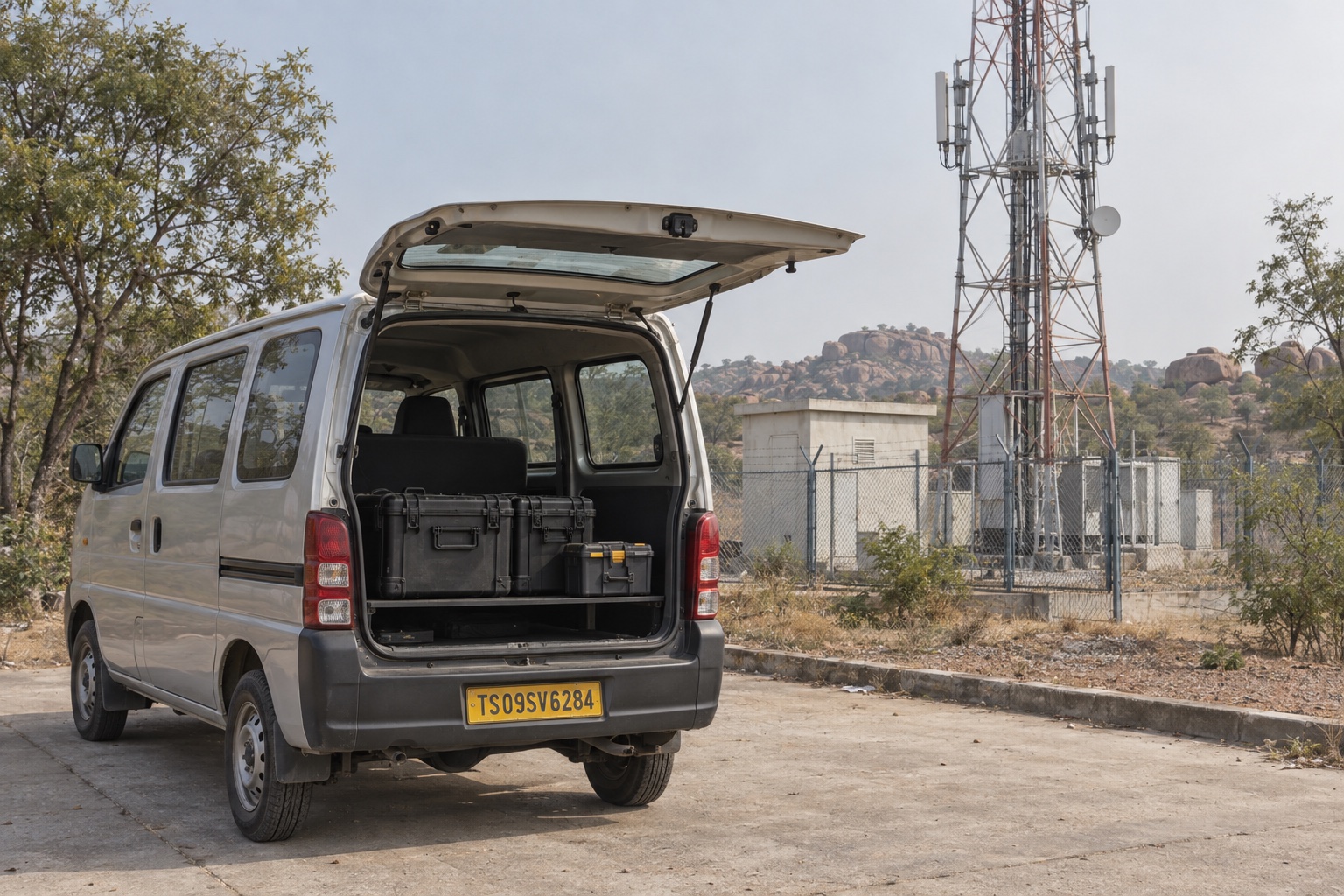
India · SMART S-2433
Tool-Check Warnings in Hyderabad
Six service vans. BLE equipment tags and adapted Complex Events logic prompt in-cab checks, while technician and service-visit records provide a starting point for recovery.
Explore use case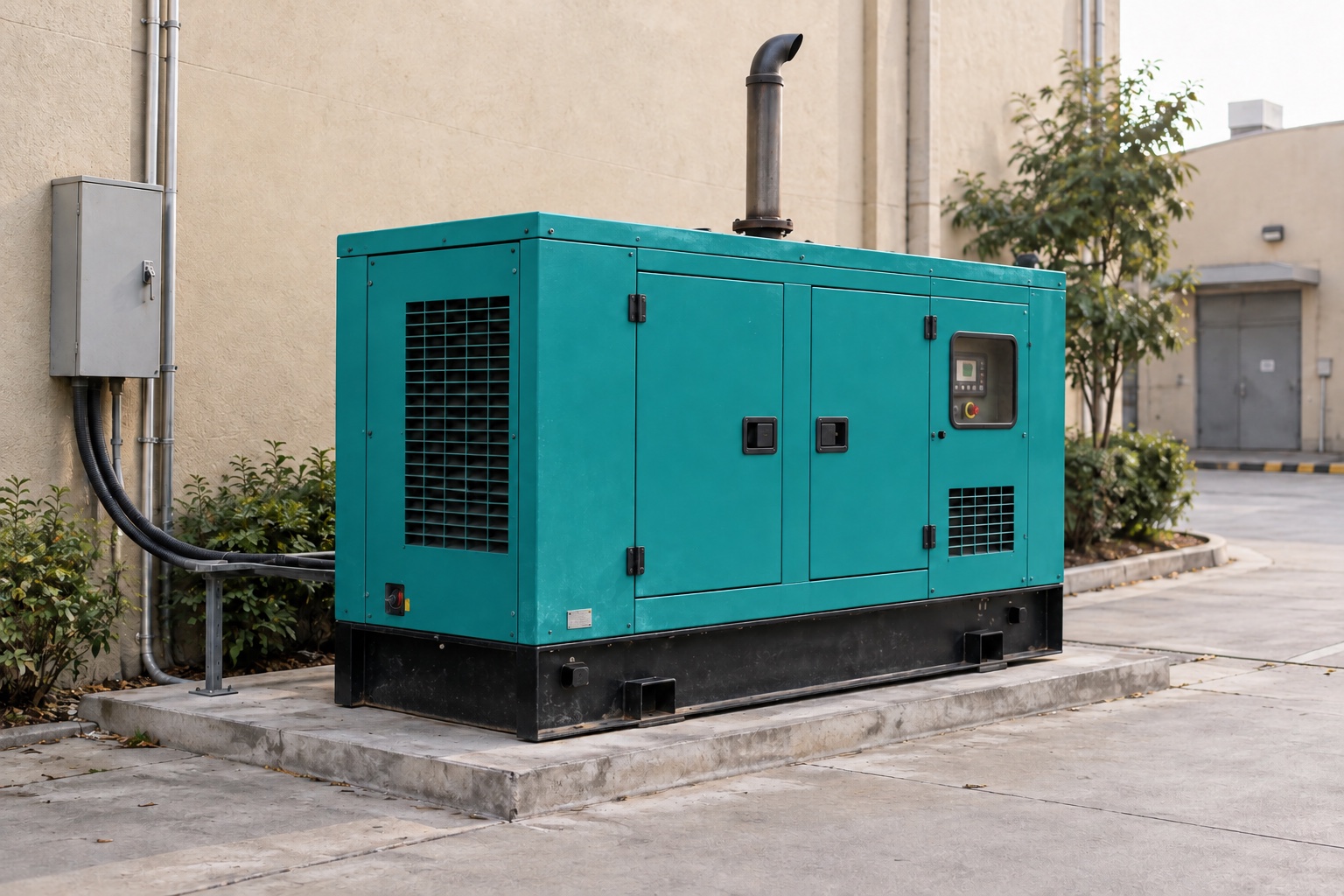
India · START S-2011
Paid Generator Rental Periods in Gurugram
Online rental extensions trigger remote restriction or release, while voltage-based operating-hour records support usage reviews across 28 generators.
Explore use case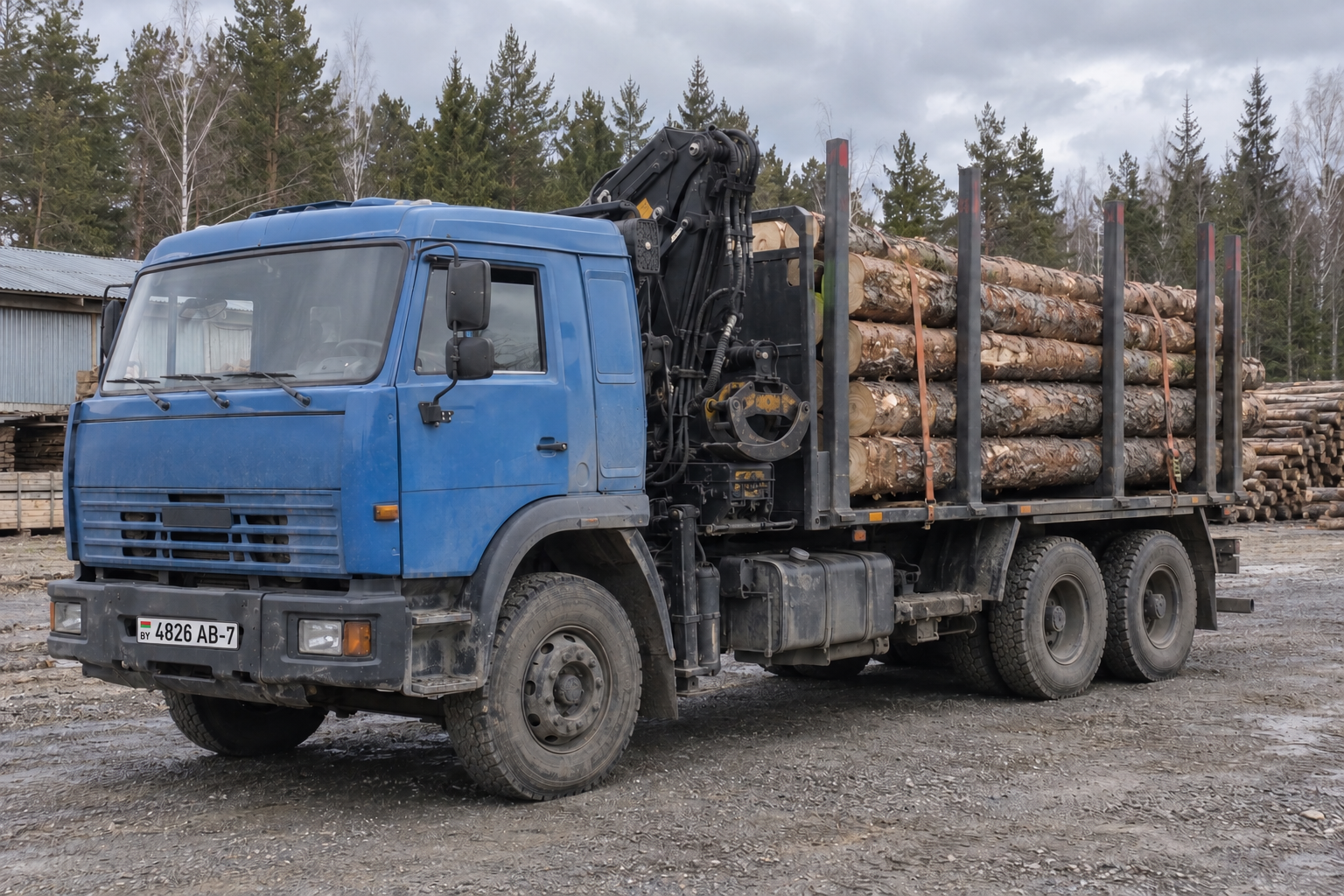
Belarus · SMART S-4511
Timber-Truck Access and Operations in Minsk
Pilot on 10 timber trucks in Minsk, Belarus. Driver authorisation controls starting, equipment-position signals trigger a separate warning, and fuel records support investigation of specific parked events.
Explore use case