
RUSSIA · AGRICULTURAL TRANSPORT
Know the trailer. Account for the fuel.
Identify the working tractor–trailer combination and reconcile engine fuel consumption with changes in the tank.
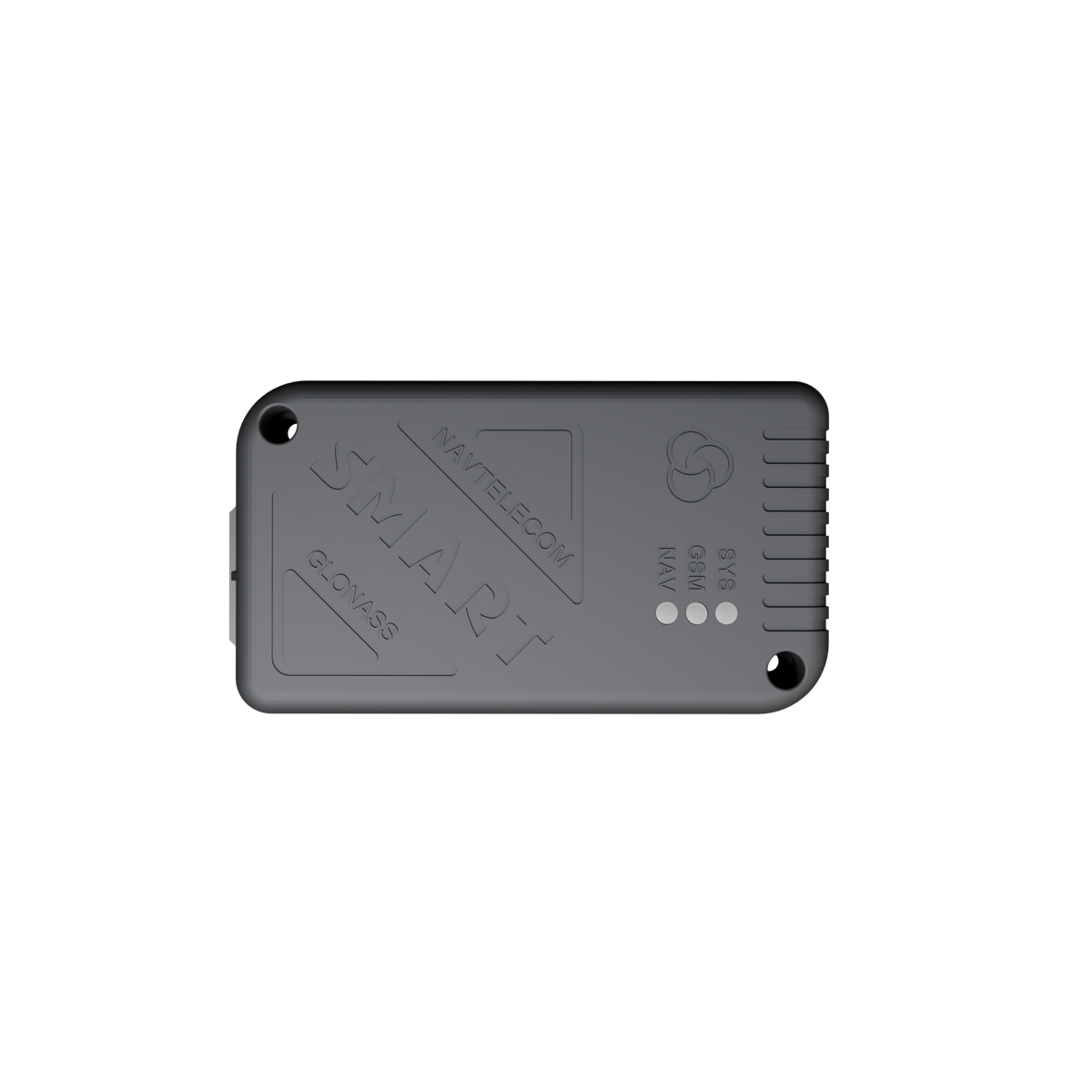
Solution device
SMART S-4535- Market
- Russia
- Vehicles
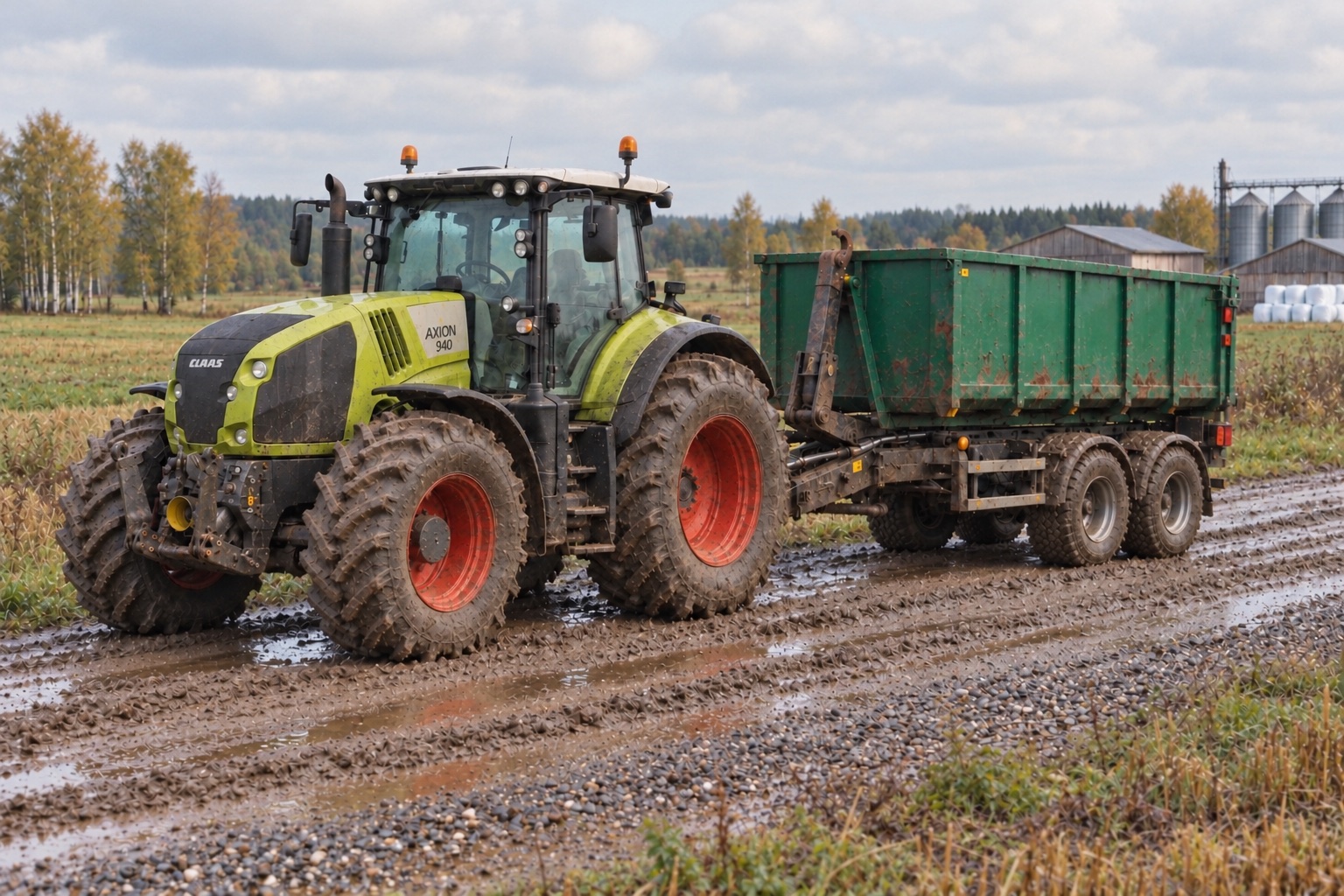
- 6 tractors · 14 trailersCLAAS AXION 940 · Hook-lift trailers
- Application
- Agricultural container transport
THE CHALLENGE
Two questions dispatch could not answer from position alone
Which trailer is working?
The project covered 6 CLAAS AXION 940 tractors and 14 hook-lift trailers. Tractor positions alone did not show which trailer was travelling with each vehicle. When equipment changed between jobs, dispatch had to confirm the combination before assigning the next collection. An unnecessary return to the yard could add distance even when a suitable pickup was ready nearby.
Where did the diesel go?
Fuel receipts and tank levels left another question unanswered: how much of the fuel removed from the tank had actually been used by the engine? Without comparing the two, unusually high consumption, a recording error and a possible loss could be difficult to distinguish.
HOW THE SOLUTION WORKS
Identify. Assign. Reconcile.
SMART S-4535 brings trailer identification, CAN fuel data and Bluetooth tank readings into the same tractor record.
Identify
See the working tractor–trailer combination alongside its location and assignment. Each trailer carried an iBeacon tag, while S-4535 was installed on the tractor. The project used Complex Events to process tag information and establish the tractor–trailer association for reporting to the monitoring platform. Dispatch could see the identified combination alongside the tractor’s position and assignment. The internal identification algorithm is not described here. The association identified the tagged trailer; it did not identify an untagged roll-off container carried on it. Container readiness, loading and delivery confirmation remained part of dispatch records. Installation checks needed to distinguish the working trailer from other tagged equipment nearby; receiving a beacon signal alone was not proof of mechanical coupling.
Dispatch
Send a suitable, ready combination directly to the next farm when a yard return is not needed. Dispatch used the identified trailer, current location and confirmed job status to select the next collection. When the trailer was suitable, the pickup was ready and no equipment change or empty-container delivery was needed, the tractor could go directly to the next farm instead of returning to the yard.
Reconcile
Compare engine-reported consumption with independent tank readings over the same period. S-4535 collected engine-reported fuel consumption through CAN. A calibrated Bluetooth fuel level sensor recorded fuel remaining in the tractor’s tank and the changes associated with refuelling or possible draining. The monitoring platform compared these sources over matching periods and linked exceptions to location and time. Complex Events processes iBeacon information and implements the project’s trailer-association logic. Assignments and fuel exception reports are handled by the monitoring platform.
CHECK THE FUEL BALANCE
What should remain in the tank?
Compare the expected closing balance with a stable tank reading. Investigate a discrepancy outside the agreed measurement tolerance.
CLIENT-CONFIRMED FUEL CHECK · LITRES
Opening fuel 200
+ Refuelling 150
− Engine use 123
= Expected closing 227
Client-confirmed fuel check. A discrepancy is a reason to investigate — not proof of theft.
Expected closing fuel = opening fuel + recorded refuelling − engine-reported consumption − documented fuel transfers out.
Staff compared this expected balance with the measured closing tank volume. A shortfall outside the agreed measurement tolerance prompted a review of refuelling records, authorised transfers, sensor readings and the journey. Depending on the finding, the next action was to correct a record, inspect a leak or investigate suspected draining.
In the client-confirmed fuel check, the opening balance was 200 litres, refuelling added 150 litres and the engine used 123 litres. The expected closing balance was therefore 227 litres. Against the reported measured balance of 215 litres, this left 12 litres to reconcile before accounting for measurement uncertainty and any documented transfers. The discrepancy was a reason to investigate, not proof that 12 litres had been stolen.
Calibration, aligned reporting periods and reliable CAN readings matter. The comparison helps expose unexplained losses; it does not guarantee that every small loss will be detected or establish theft on its own.
WHAT THE CONTRACTOR GAINS
Clearer assignments and fuel checks
Fewer calls to establish equipment availability
Dispatch can review the identified trailer before assigning a pickup, then confirm readiness and suitability through the job workflow. This helps avoid sending a tractor to collect a load with the wrong equipment.
Less unnecessary travel between jobs
12 km avoided per qualifying transition on the client-confirmed routes The client confirmed 18 kilometres via the yard versus a 6-kilometre direct route: 12 kilometres avoided per qualifying transition. Over 20 such transitions, that would total 240 kilometres.
Fuel discrepancies that can be investigated
Refuelling, engine consumption and tank balance give the manager a basis for checking missing diesel instead of accepting every drop as normal use. Recurring exceptions can be traced to specific times and locations and followed through to a recorded explanation. Dispatch can identify the working combination, assign suitable work and investigate fuel discrepancies. The 240-kilometre total illustrates 20 qualifying transitions; it is not a measured period total.
WHY SMART S-4535
Match trailers and account for fuel
S-4535 helped dispatch answer which tractor was travelling with which trailer before assigning the next job. That supported direct moves between suitable jobs instead of a return to the yard simply to establish or change the working combination.
It also made fuel losses open to checking: managers could compare refuelling and tank changes with the engine’s recorded consumption. The value was knowing which equipment could take the work and which fuel discrepancy needed an explanation.
SMART S-4535
Check the working combination and account for fuel use
Complex Events
Identify which trailer is travelling with each tractor
YOUR PROJECT
Tell us about the work you need to measure
Share the vehicles, routes, sensors and decisions you want this data to support.
More in this application
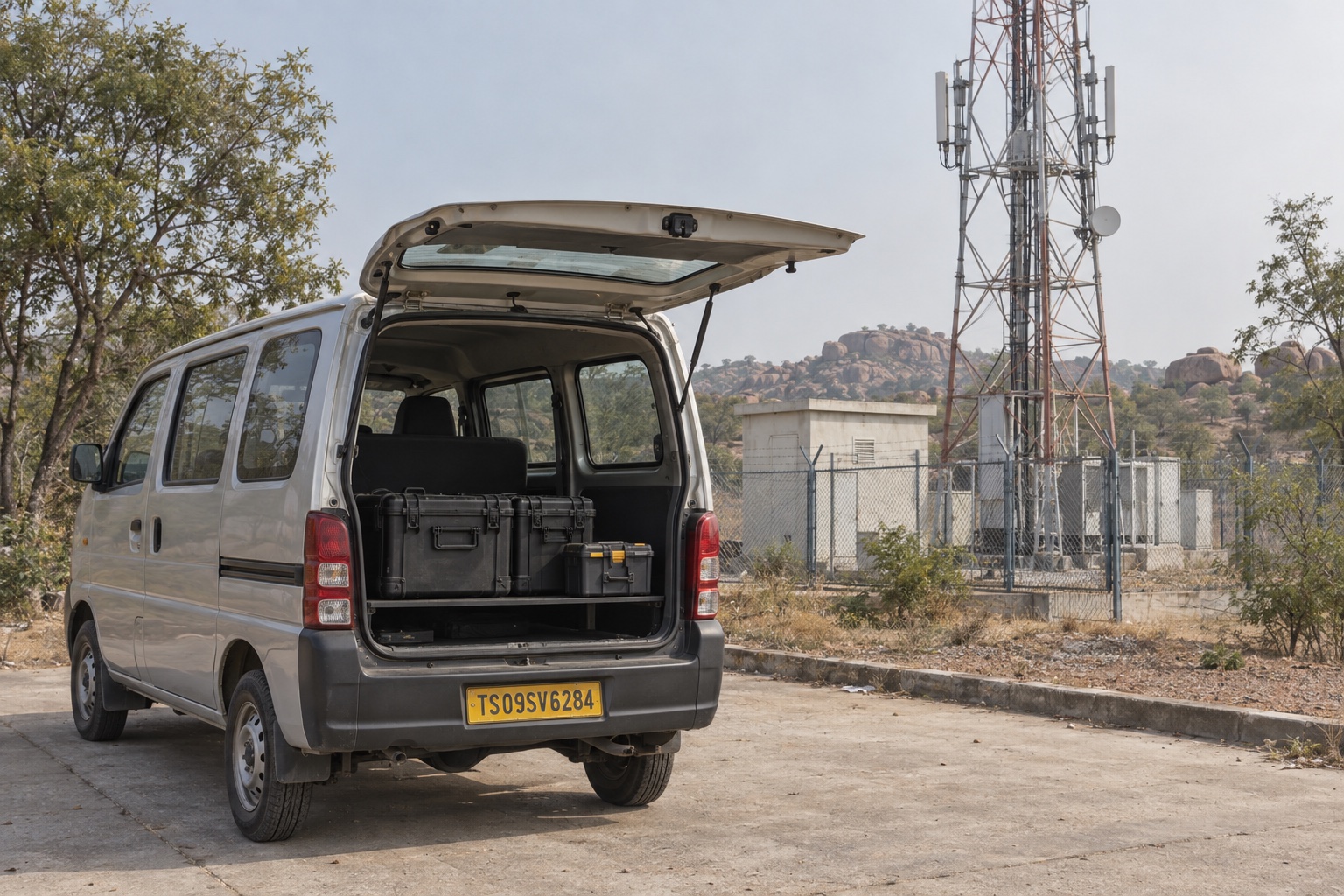
India · SMART S-2433
Tool-Check Warnings in Hyderabad
Six service vans. BLE equipment tags and adapted Complex Events logic prompt in-cab checks, while technician and service-visit records provide a starting point for recovery.
Explore use case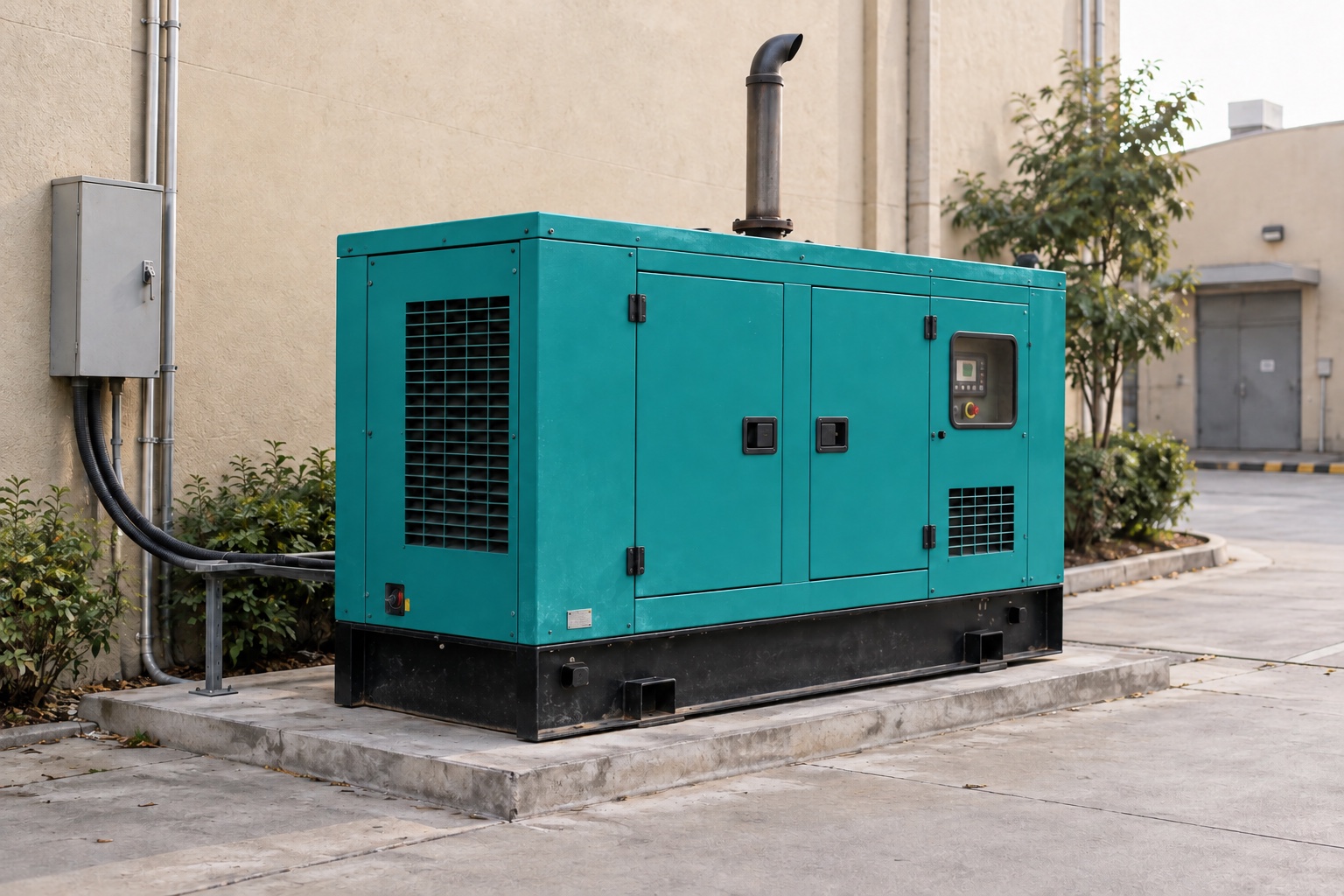
India · START S-2011
Paid Generator Rental Periods in Gurugram
Online rental extensions trigger remote restriction or release, while voltage-based operating-hour records support usage reviews across 28 generators.
Explore use case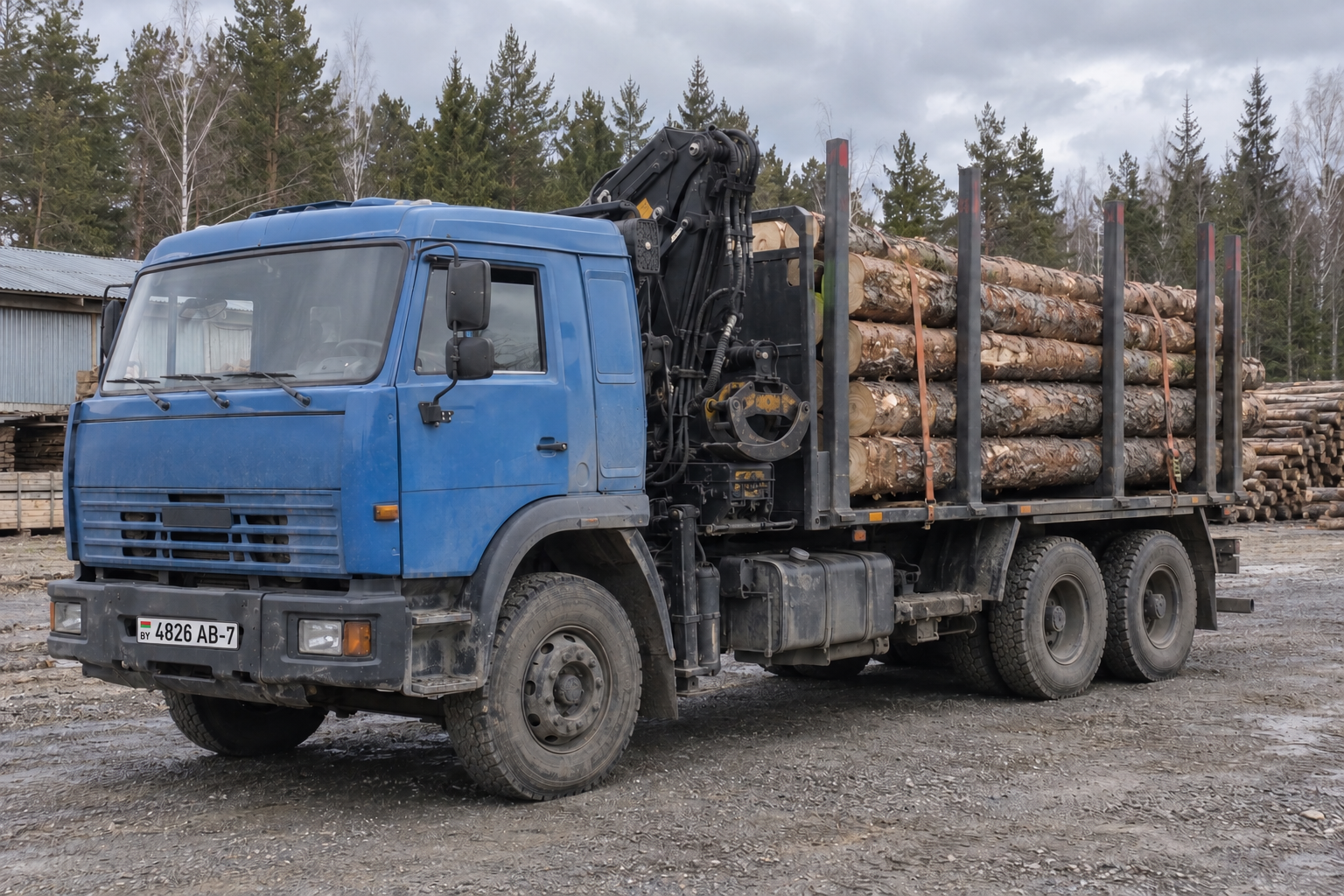
Belarus · SMART S-4511
Timber-Truck Access and Operations in Minsk
Pilot on 10 timber trucks in Minsk, Belarus. Driver authorisation controls starting, equipment-position signals trigger a separate warning, and fuel records support investigation of specific parked events.
Explore use case