
SRI LANKA · FOOD DISTRIBUTION
Refuelling and Fuel-Loss Checks in Sri Lanka
A food distributor connected fuel-tank measurements with delivery routes and ignition status to check refuelling records and investigate unexpected fuel-level changes.
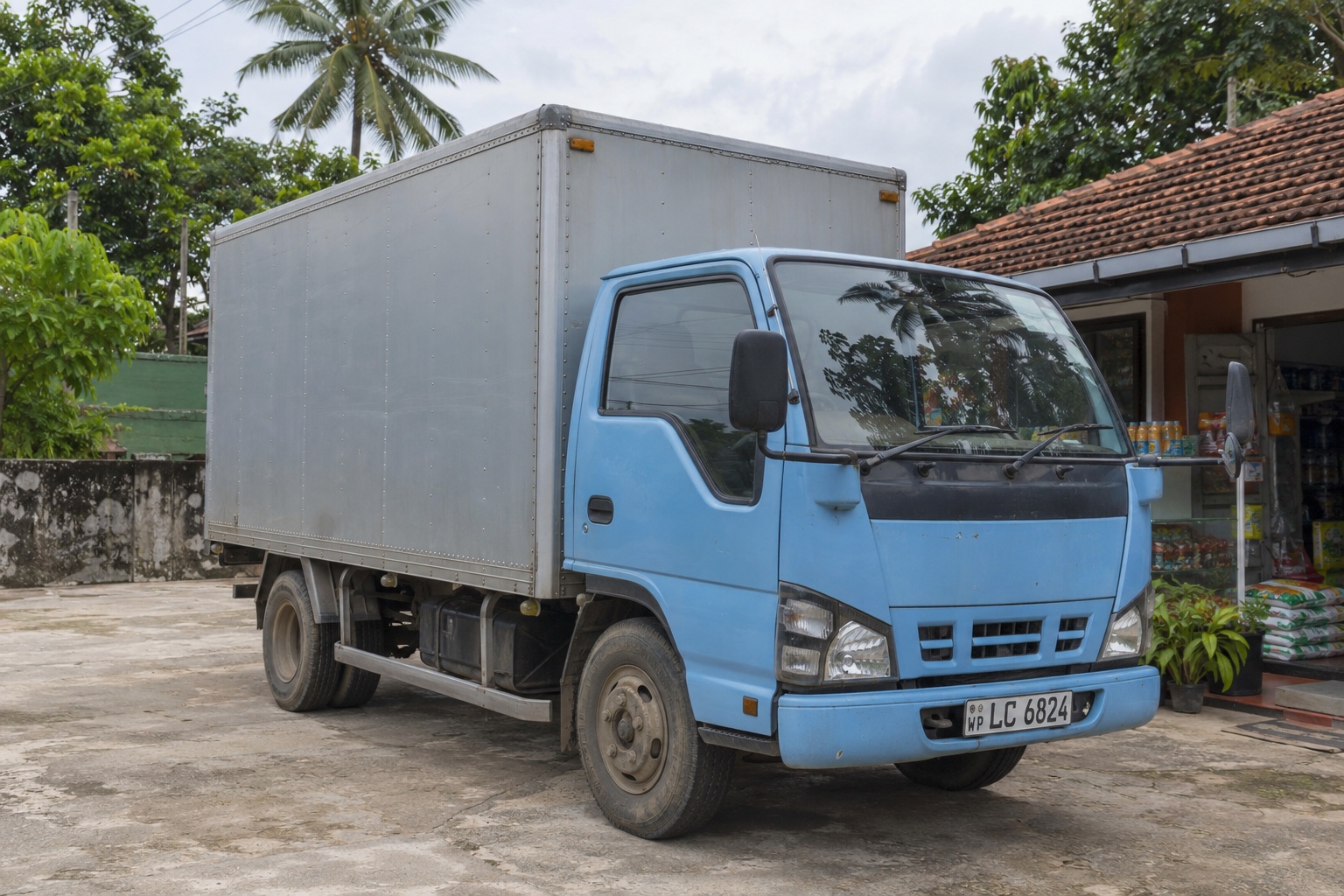
Sri Lanka · Food delivery trucks

Solution device
START S-2013- Market
- Sri Lanka
- Vehicles
- 17 delivery trucks
- Application
- Food distribution
THE CHALLENGE
Check fuel receipts against events along each route
The company delivered food from its central warehouse to retail stores in different cities. Fuel receipts showed what drivers purchased, but did not show how the fuel level changed throughout each delivery.
The fleet manager needed to check whether recorded purchases corresponded with refuelling events and identify unexpected drops requiring investigation. Relying on receipts and driver reports alone made it difficult to establish when and where a discrepancy occurred.
THE SOLUTION
Link fuel readings, location and ignition
The company’s 17 delivery trucks were equipped with START S-2013 trackers and wired fuel-level sensors connected through RS-485. Ignition signals were also connected to provide additional context for reviewing fuel events.
Checking refuelling against receipts
The monitoring platform brought fuel-level readings together with vehicle location and time. Fleet staff could identify recorded increases in tank level and compare those events with submitted receipts. This gave the manager a way to check whether the time and location of a reported purchase matched the vehicle’s fuel record and investigate discrepancies with the driver.
Investigating unexpected fuel drops
Fuel history could be reviewed alongside trips and stops. When an unexpected drop appeared during a stop, staff could locate the event and examine the readings before and after it. This helped narrow an investigation to a specific part of the delivery route. Unusual changes were treated as events to check, rather than automatic proof of fuel theft.
Adding ignition context
Ignition status helped staff distinguish fuel events recorded with the ignition on from those recorded with it off. Together with movement and fuel history, this provided a clearer sequence of events. Ignition status was used as context; it did not independently confirm that the engine was running.
PROJECT OUTCOMES
Traceable fuel events for follow-up
The distributor could check fuel receipts against recorded refuelling on its 17 trucks.
In one customer-reported check, the receipt and sensor-based refuelling estimate differed by 10 litres. This gave staff a specific event to investigate with the driver, rather than an unexplained difference in the overall fuel bill.
WHY START S-2013
Check receipts against refuelling records
S-2013 gave the distributor a second source of evidence beside the driver’s receipt: the estimated tank increase at the recorded stop. Staff could raise a particular discrepancy with the driver instead of questioning the total fuel bill without supporting detail.
This made the tracker useful for checking fuel expenditure across the 17 trucks. Sensor-based estimates supported investigation; they did not automatically establish fraud.
START S-2013
YOUR PROJECT
Tell us about the work you need to measure
Share the vehicles, routes, sensors and decisions you want this data to support.
More in this application

UAE · SMART S-4537
High-Lift Catering Operations in Dubai
Pilot on 20 high-lift catering trucks. Chassis and lift records help investigate servicing delays, while Complex Events warnings and temperature history support checks at aircraft stands.
Explore use case
Kazakhstan · SMART S-2421
Frozen-Food Temperature Alerts in Astana
Two individual sensor readings trigger urgent SMS at −17°C, directing attention to developing temperature problems across 34 refrigerated vehicles.
Explore use case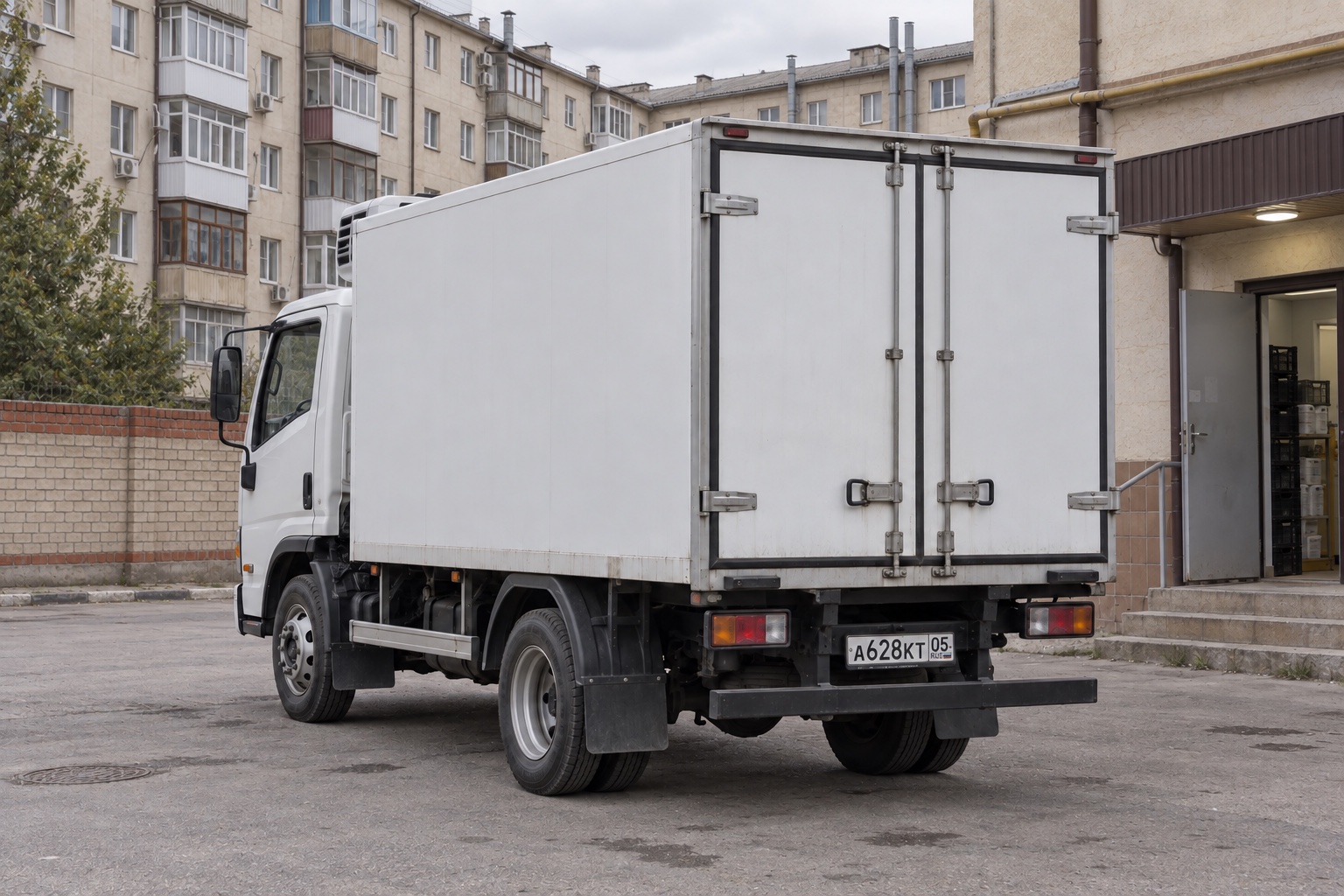
Russia · SMART S-2421
Dairy Temperature Alerts in Dagestan
Individual sensor readings trigger SMS warnings above 5°C and recovery messages across 12 refrigerated trucks, using standard device settings.
Explore use case