
UZBEKISTAN · CONSTRUCTION
Concrete-Pump Work and Transport Checks in Tashkent
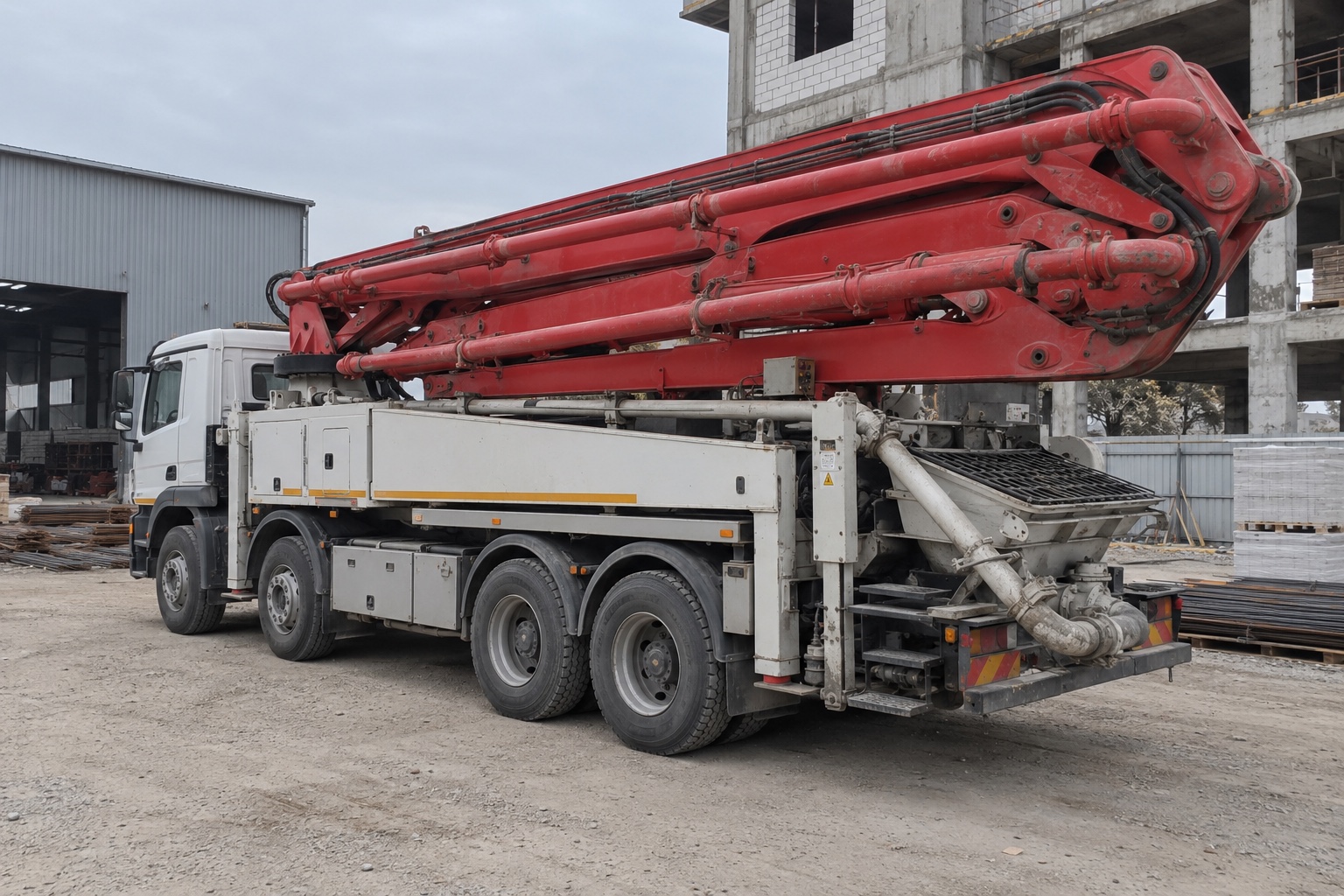
A concrete contractor connected chassis and pump data with equipment-status signals, driver warnings and two-way communication to review job timing and transport readiness.
Tashkent, Uzbekistan · Concrete pumps
Solution device
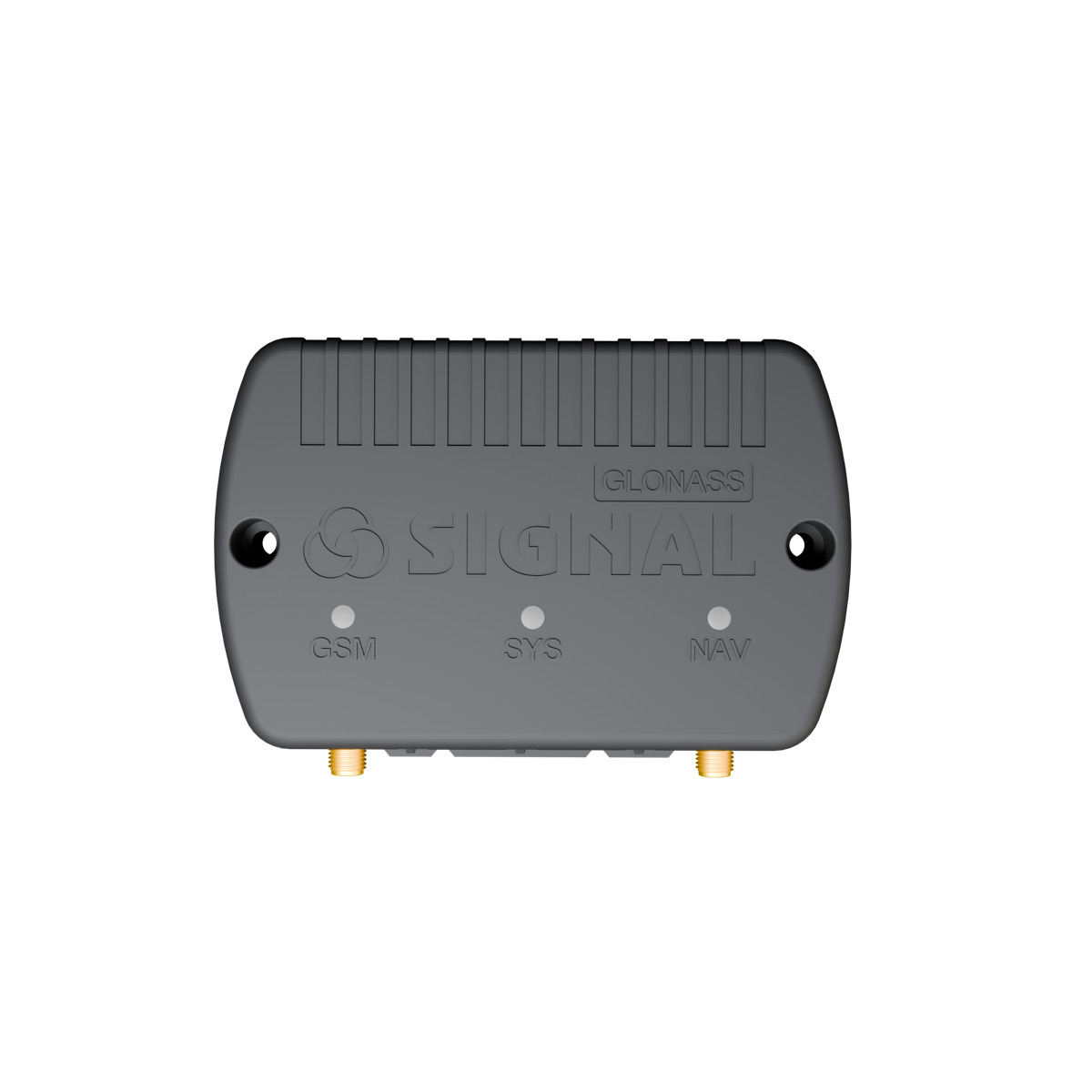
SIGNAL S-4753- Market
- UzbekistanTashkent
- Equipment
- 9 truck-mounted concrete pumps
- Application
- Construction
THE CHALLENGE
Distinguish arrival, setup and pumping time
A concrete contractor needed to distinguish time spent travelling, setting up and pumping at construction sites. Knowing that a truck had arrived did not show when pumping began or how long the equipment operated.
The company also wanted to identify movement while the boom was not stowed or the outriggers remained deployed, so the driver could respond promptly.
THE SOLUTION
Link pump activity, position and warnings
The installation covered nine truck-mounted concrete pumps. SIGNAL S-4753 connected vehicle and concrete-pump data to the monitoring platform. One CAN connection collected supported chassis readings, including engine hours, RPM and vehicle-condition information. The second collected available pump and boom data from the compatible equipment controller.
Record four additional equipment states
Four additional inputs recorded outrigger deployment, boom-stowed position, pump operation and emergency-stop status.
Separate site attendance from pump operation
The operations team could review arrival, setup, pump operation and equipment stowage alongside the truck’s route. This showed when pumping started and how long the pump operated, helping supervisors investigate delays between arrival and work. Pump-operation records indicated operating time, not the volume of concrete delivered.
Warn the driver when equipment is not stowed
A rule configured through Complex Events detected vehicle movement while the boom was not in its transport position or the outriggers were still deployed. The tracker recorded the event and activated an in-cab buzzer, prompting the driver to stop and check the equipment. This was a warning function, not an automatic movement interlock or a replacement for the operator’s setup and transport checks.
Resolve problems directly with the operator
Two-way voice communication let dispatch speak with the operator about delayed concrete deliveries, changes to the work location or equipment problems. External GNSS and cellular antennas could be positioned away from surrounding metalwork while the tracker remained protected inside the equipment.
RESULTS
Review delays and warn during departure
Supervisors could examine the interval between arrival and pumping before discussing a site delay with the operator.
Drivers received a warning when movement coincided with an unstowed boom or deployed outriggers. Dispatch also had direct voice contact to coordinate a response to an operational problem.
WHY SIGNAL S-4753
Track pump work and warn about deployment
S-4753 let the contractor review the time between arrival and pump operation, then discuss a delay with the operator using the job timeline. Being on site was no longer the only available measure of activity.
The installation also brought an equipment-position warning into the cab and gave dispatch direct voice contact during an interruption. Its value was helping the team coordinate the job and drawing the driver’s attention to a departure condition requiring a check.
SIGNAL S-4753
YOUR PROJECT
Tell us about the work you need to measure
Share the vehicles, routes, sensors and decisions you want this data to support.
More in this application
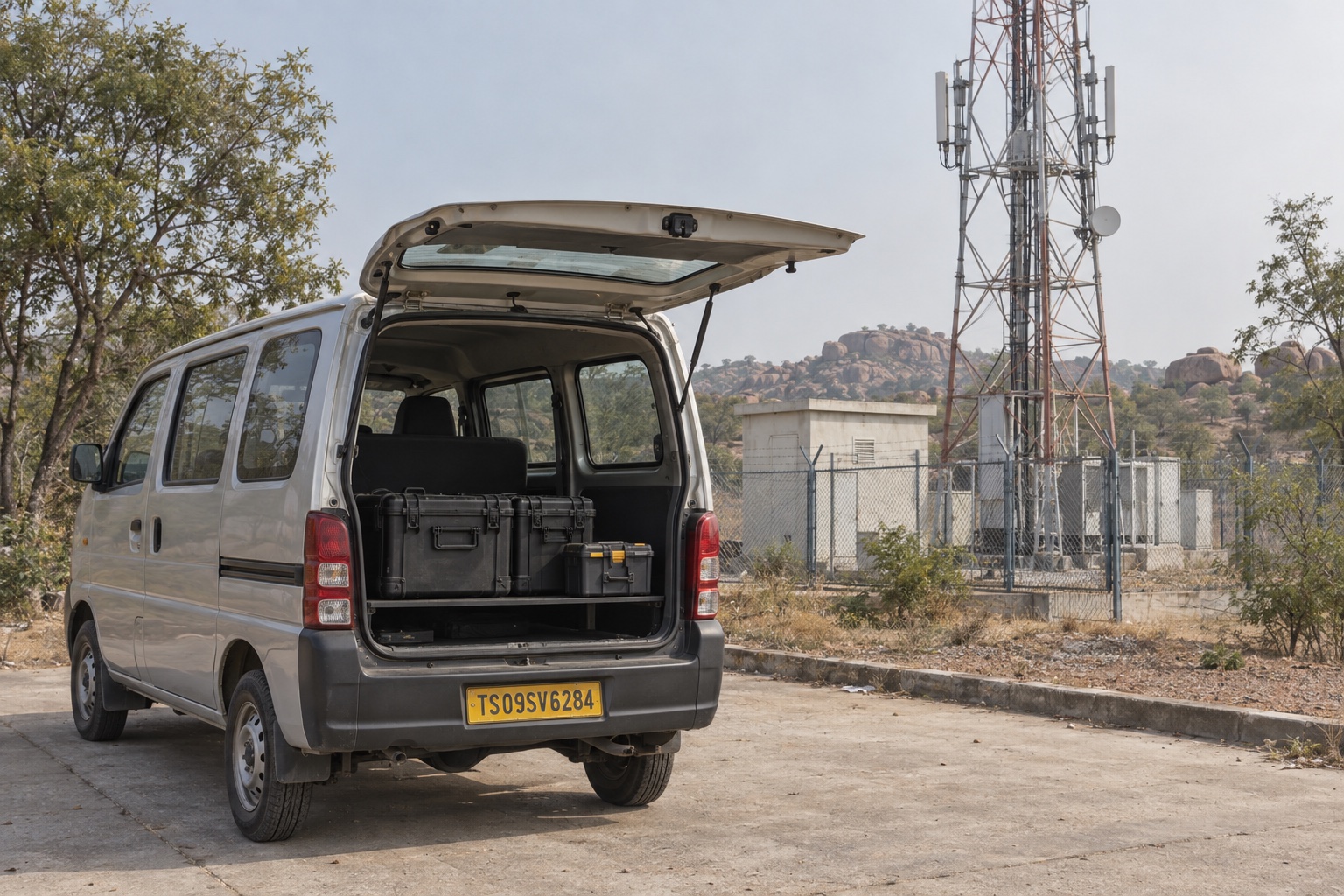
India · SMART S-2433
Tool-Check Warnings in Hyderabad
Six service vans. BLE equipment tags and adapted Complex Events logic prompt in-cab checks, while technician and service-visit records provide a starting point for recovery.
Explore use case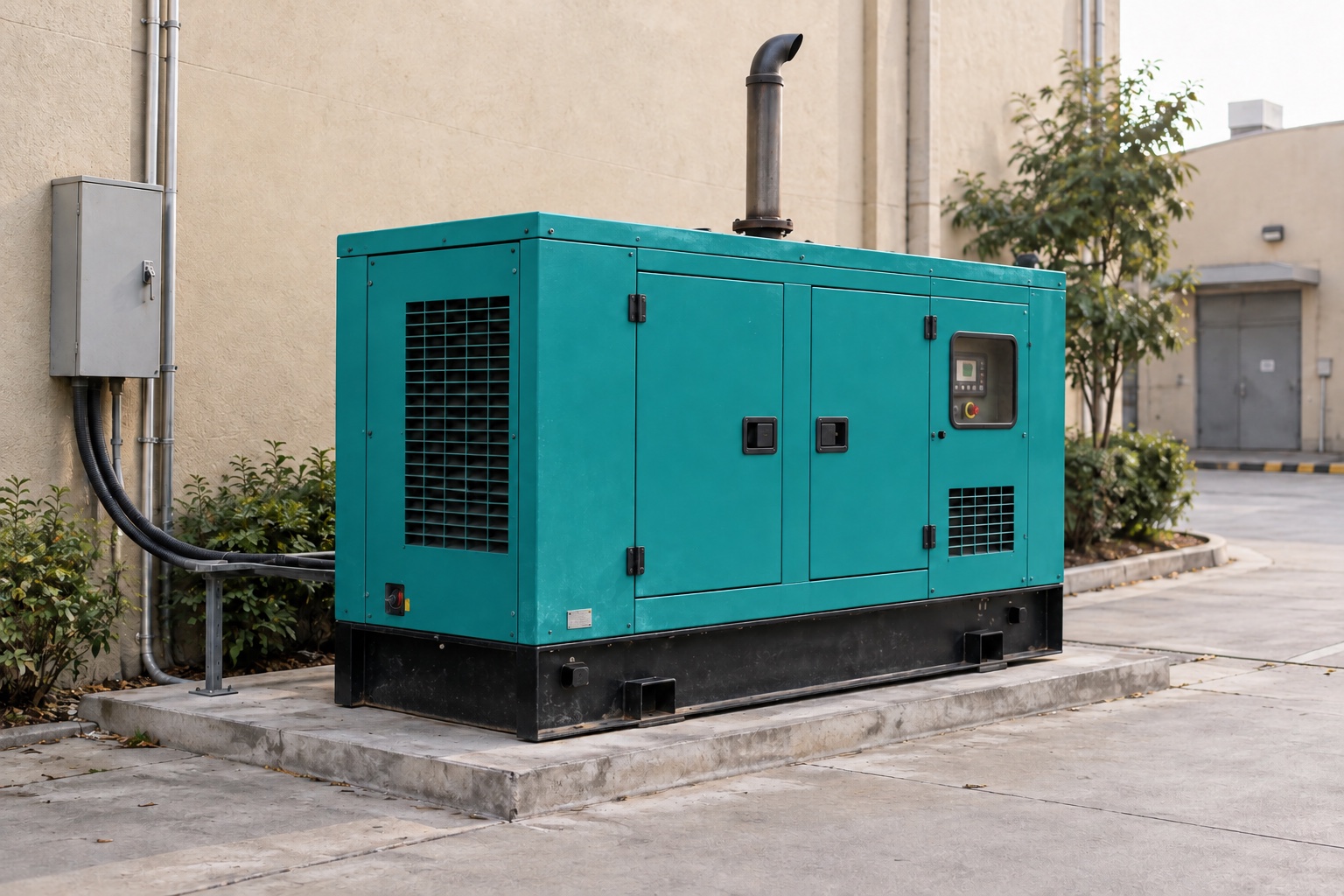
India · START S-2011
Paid Generator Rental Periods in Gurugram
Online rental extensions trigger remote restriction or release, while voltage-based operating-hour records support usage reviews across 28 generators.
Explore use case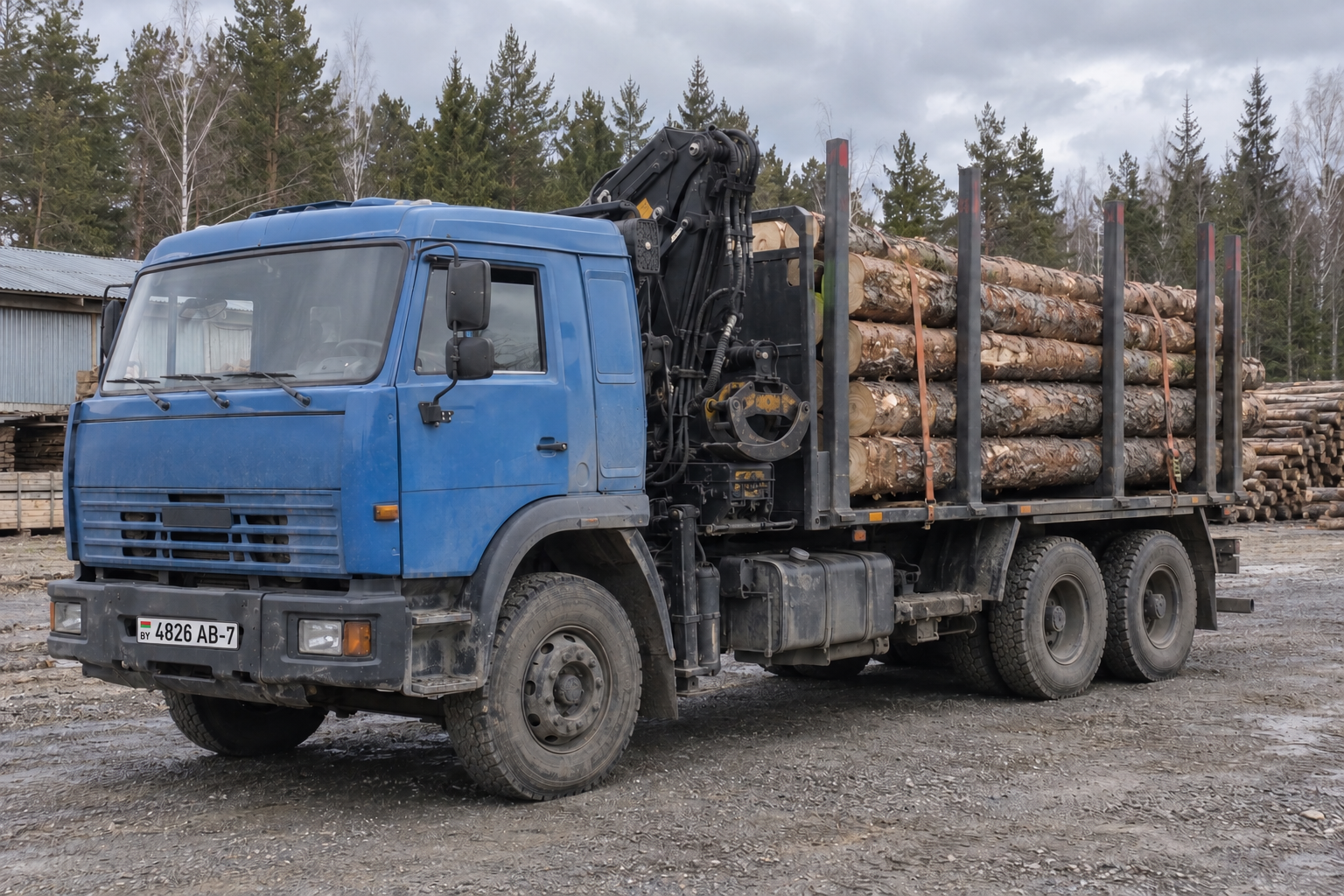
Belarus · SMART S-4511
Timber-Truck Access and Operations in Minsk
Pilot on 10 timber trucks in Minsk, Belarus. Driver authorisation controls starting, equipment-position signals trigger a separate warning, and fuel records support investigation of specific parked events.
Explore use case